World War II: The Global Conflict That Reshaped History
World War II was the most expansive and destructive conflict in human history, spanning from September 1, 1939, to September 2, 1945. This global struggle pitted the Allied Powers—led primarily by the Soviet Union, the United States, the United Kingdom, and China—against the Axis Powers, dominated by Nazi Germany, Imperial Japan, and Fascist Italy. The war was characterized by unprecedented mobilization, systemic genocide, and the eventual dawn of the nuclear age.
Key Facts
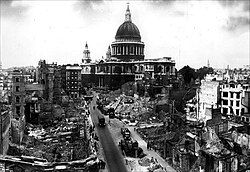
- Duration: 6 years and 1 day (1939–1945).
- Total Casualties: Estimated 60 to 75 million deaths, including both military and civilian populations.
- Outcome: Decisive Allied victory.
- Major Theatres: The European Theatre (including the Eastern Front and North Africa) and the Pacific Theatre.
- Defining Events: The Holocaust, the attack on Pearl Harbor, the Battle of Stalingrad, and the atomic bombings of Hiroshima and Nagasaki.
The Road to Global War
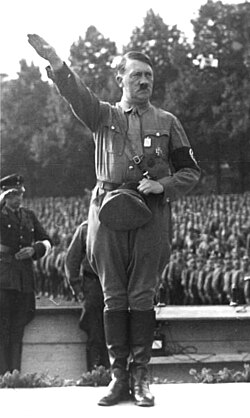
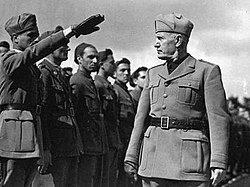
The origins of World War II are deeply rooted in the aftermath of World War I and the subsequent economic and political instability of the 1920s and 30s. In Europe, the rise of totalitarian regimes in Germany and Italy sought to overturn existing treaties and expand their territories. Adolf Hitler's Nazi party in Germany and Benito Mussolini's Fascist regime in Italy championed aggressive nationalism and expansionism.
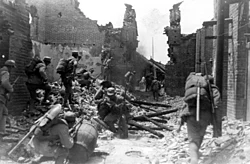
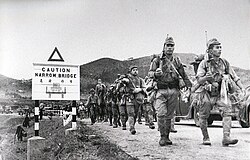
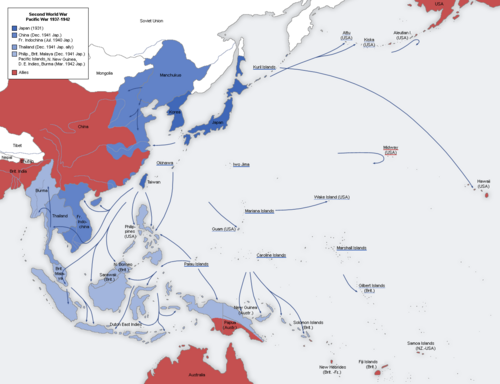
Parallel to the European tensions, Imperial Japan pursued a policy of expansion in Asia to secure raw materials and regional hegemony. This led to the invasion of China in 1937, sparking a brutal conflict that predated the formal start of the war in Europe.
Other critical pre-war events included the Italian invasion of Ethiopia in 1935 and the Spanish Civil War (1936–1939), which served as a testing ground for new military technologies and ideologies.
Diplomatic Failures and the Outbreak
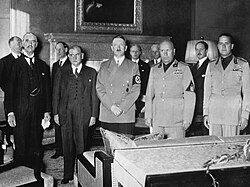
Attempts by European powers to avoid war through appeasement—the policy of making concessions to dictatorial powers to maintain peace—proved ineffective. The Munich Agreement of 1938 was a prime example of this failed strategy.
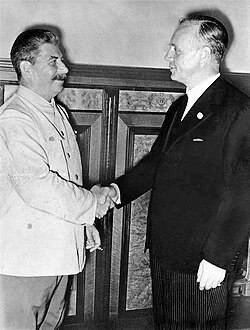
The war officially began in Europe on September 1, 1939, when Germany invaded Poland. This action prompted Great Britain and France to declare war on Germany. Shortly before this, the Molotov–Ribbentrop Pact had been signed between Germany and the Soviet Union, a non-aggression treaty that secretly partitioned Eastern Europe.
The Course of the Conflict
The Axis Ascendancy (1939–1941)
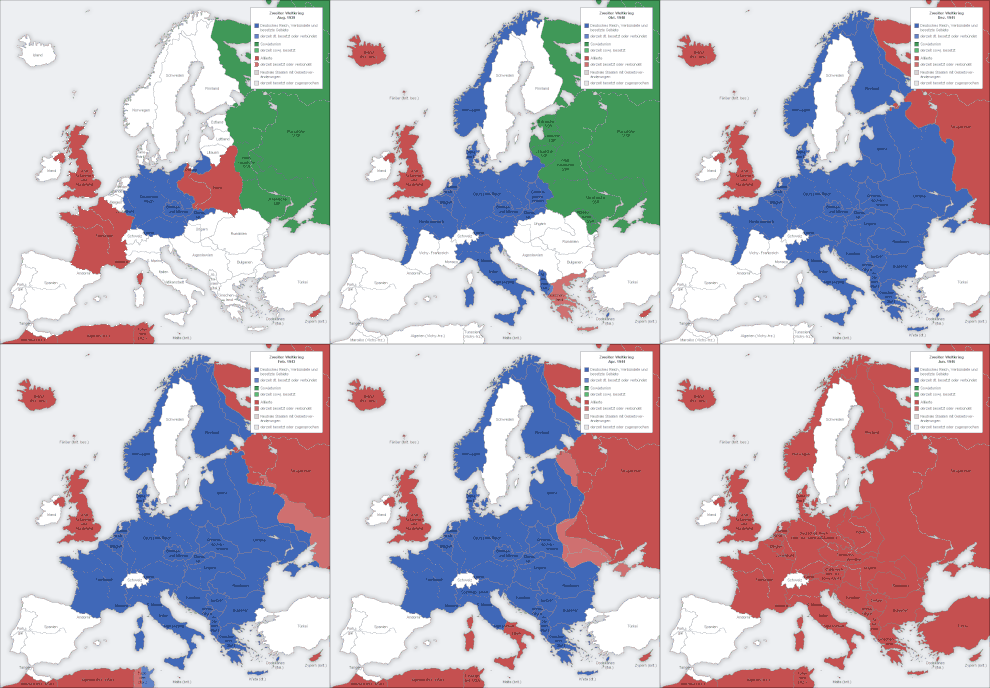
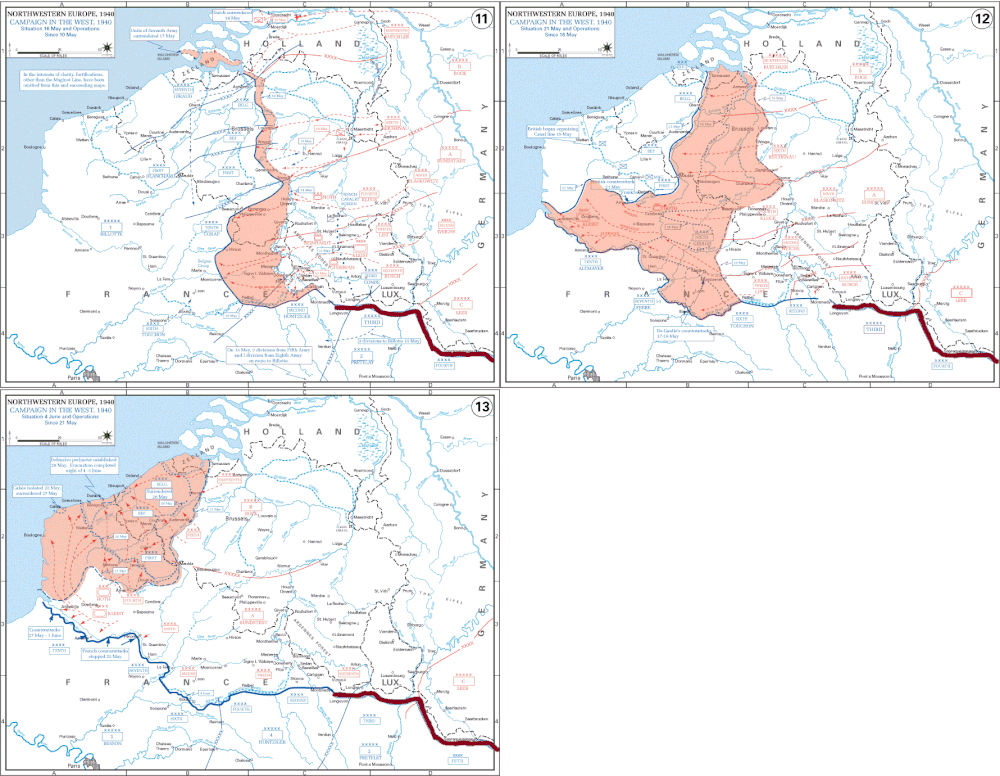
The early years of the war were marked by the German Blitzkrieg (lightning war), a military tactic emphasizing speed, surprise, and overwhelming force. Germany rapidly occupied Poland, Belgium, and Northern France, bypassing the Maginot Line—a series of French fortifications intended to prevent invasion.
![A German propaganda photograph reenacting the removal of the Polish border crossing in Sopot[68]](/images/7d/27/7d27d503e191fda853688c85ab0fc7e44a67973ea0ea306c7e2329615d42376a.jpg)
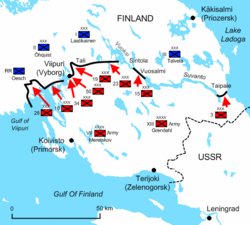
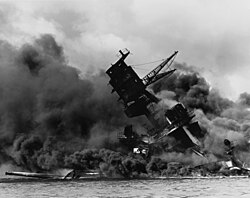
In the East, the Soviet Union initially faced a brief conflict with Finland known as the Winter War. However, in June 1941, Germany betrayed the Molotov–Ribbentrop Pact and launched a massive invasion of the Soviet Union. Simultaneously, the conflict expanded globally on December 7, 1941, when Japan launched a surprise air attack on the U.S. Pacific Fleet at Pearl Harbor, drawing the United States into the war.
The Turning Tide (1942–1943)
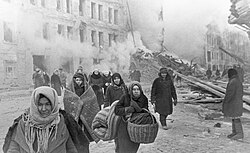
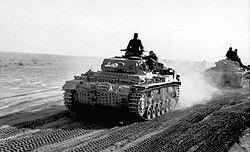
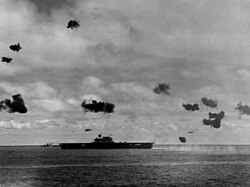
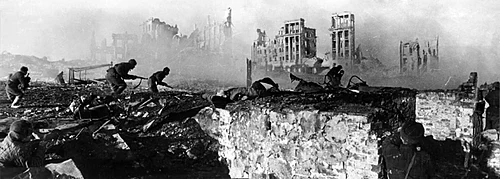
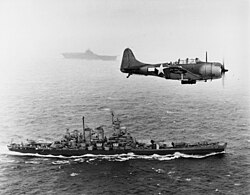
By 1942, the Axis advance began to stall. In the Pacific, the Battle of Midway proved a decisive turning point, halting Japanese expansion. In North Africa, Allied forces fought to secure the Mediterranean, while on the Eastern Front, the Battle of Stalingrad became one of the bloodiest battles in history, ending in a catastrophic defeat for the German army.
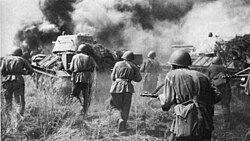
The Allies gained further momentum with the Battle of Kursk, the largest tank battle in history, which effectively ended Germany's offensive capabilities in the East.
Allied Victory and Axis Collapse (1944–1945)
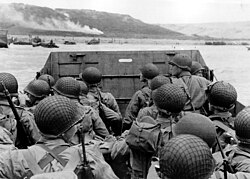
The final phase of the war saw coordinated Allied offensives. On June 6, 1944, known as D-Day, Allied forces invaded Normandy, establishing a foothold in Western Europe. In the Pacific, the U.S. employed a "island hopping" strategy to push Japanese forces back toward their home islands.
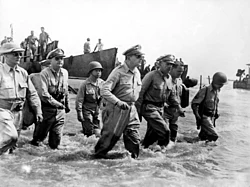
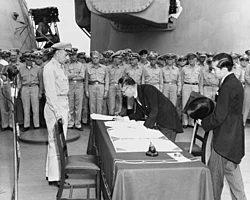
The war in Europe ended in May 1945 after the fall of Berlin. The war in the Pacific concluded on September 2, 1945, following the U.S. deployment of atomic bombs on Hiroshima and Nagasaki and the subsequent surrender of Japan.
The Human Cost and Aftermath
Genocide and War Crimes
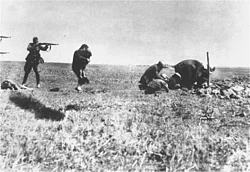
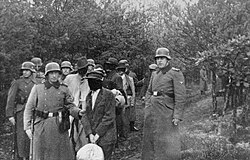
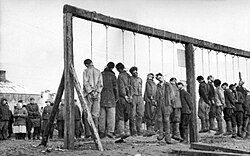
World War II was marked by systemic atrocities. The Holocaust was the state-sponsored persecution and mass murder of six million Jews and millions of others by the Nazi regime. Concentration camps like Auschwitz and Bergen-Belsen became symbols of this industrial-scale slaughter.
![Prisoner identity photograph of a Polish girl taken by the German SS in Auschwitz.[391] Approximately 230,000 children were held prisoner and used in forced labour and Nazi medical experiments.](/images/a6/c5/a6c5e8ade5deb5276b28c29b1c219d7cb9ceaeb8fe1a2ea75ba73d9f407fc61e.jpg)
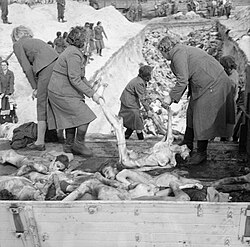
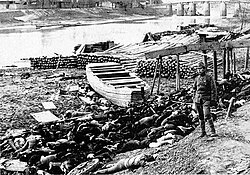
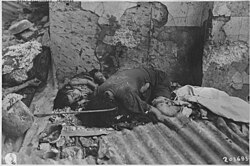
War crimes were widespread across all theatres, including the Nanjing massacre in China and the brutal treatment of civilians and prisoners of war by various belligerents.
Post-War Reconstruction and Justice
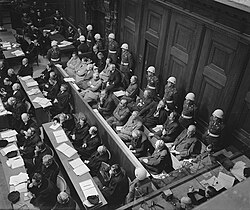
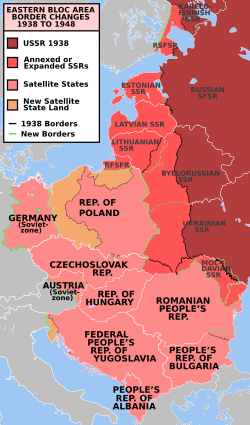
Following the surrender, the Nuremberg trials were established to prosecute prominent Nazi leaders for crimes against humanity. The geopolitical landscape was redrawn, leading to the creation of the communist Eastern Bloc and the beginning of the Cold War.
Technological Advancements
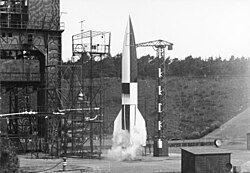
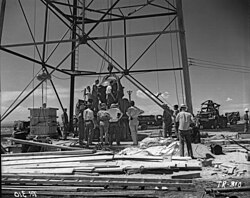
The war accelerated technological development, most notably in rocketry (the V-2 rocket) and nuclear physics, culminating in the Trinity test and the first atomic weapons.
| Category | Allied Powers | Axis Powers |
|---|---|---|
| Primary Leaders | Stalin, Roosevelt, Churchill, Chiang Kai-shek | Hitler, Hirohito, Mussolini |
| Key Strategic Goals | Stop Axis expansion, liberate occupied territories | Lebensraum (Living Space), Regional Hegemony |
| Major Turning Points | Stalingrad, Midway, Normandy (D-Day) | Fall of France, Invasion of USSR |
| Final Result | Victory | Unconditional Surrender |
Frequently Asked Questions
What triggered the start of World War II?
The war began in Europe when Nazi Germany invaded Poland on September 1, 1939, leading Great Britain and France to declare war on Germany. In Asia, the conflict had already begun with the Japanese invasion of China in 1937.
Who were the main leaders of the Allied and Axis powers?
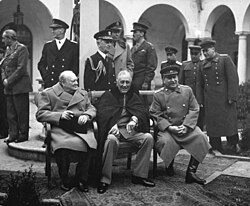
The main Allied leaders were Joseph Stalin (Soviet Union), Franklin D. Roosevelt (USA), Winston Churchill (UK), and Chiang Kai-shek (China). The main Axis leaders were Adolf Hitler (Germany), Benito Mussolini (Italy), and Emperor Hirohito (Japan).
What was the significance of the Battle of Stalingrad?
The Battle of Stalingrad was a critical turning point on the Eastern Front. The Soviet victory ended German advances into the Soviet Union and forced the Axis powers into a long, costly retreat.
What was the Holocaust?
The Holocaust was the systematic, state-sponsored persecution and murder of approximately six million Jews, along with millions of others, by the Nazi regime and its collaborators.
How did the war end in the Pacific?
The war in the Pacific ended after the United States dropped atomic bombs on the cities of Hiroshima and Nagasaki in August 1945, leading to the formal surrender of Japan on September 2, 1945.