Weimar Republic: The Rise and Fall of Germany's First Democracy
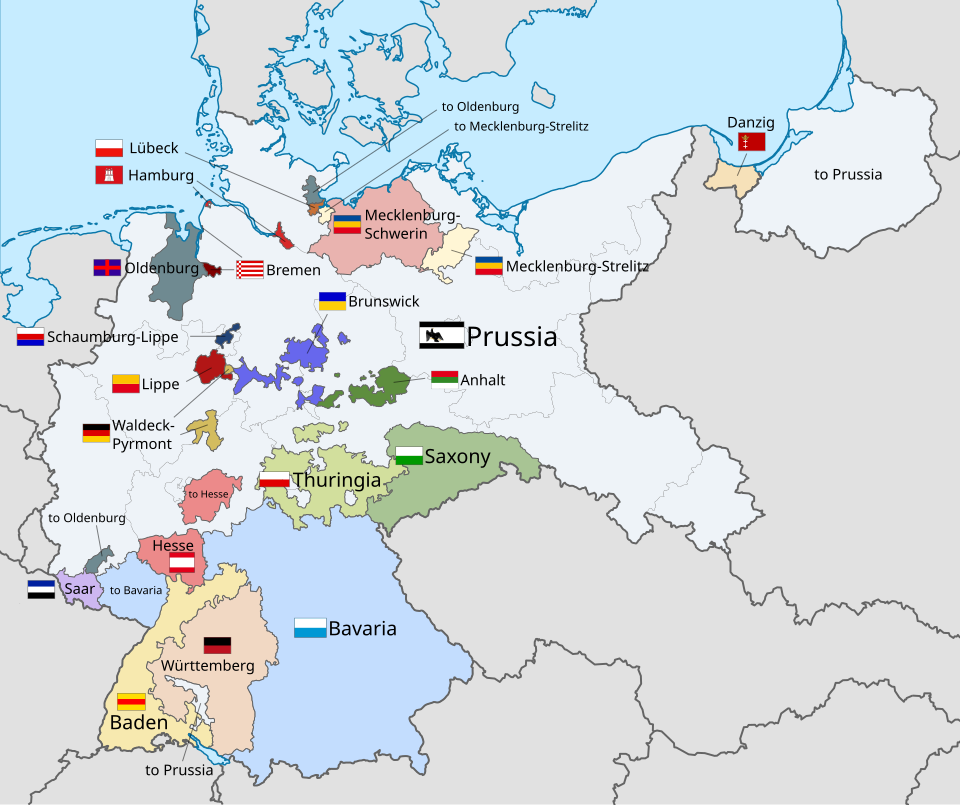
The Weimar Republic (1919–1933) represents a pivotal and turbulent chapter in European history. Emerging from the ashes of the German Empire following the First World War, it was Germany's first attempt at a federal semi-presidential republic. While it fostered a period of extraordinary cultural flowering and democratic experimentation, it was perpetually haunted by economic instability and political polarization.
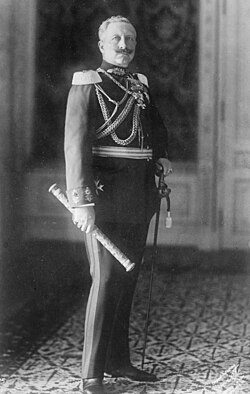
The republic was born out of the German Revolution of 1918, triggered by military exhaustion and the imminent defeat of the Empire. This upheaval led to the abdication of Kaiser Wilhelm II and the proclamation of a republic on November 9, 1918.
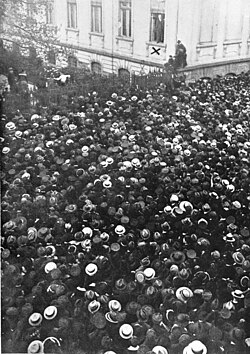
Key Facts
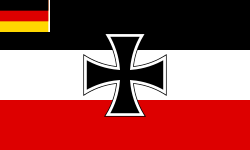
- Duration: 1919 to 1933.
- Government Type: Federal semi-presidential republic.
- Key Leaders: Presidents Friedrich Ebert and Paul von Hindenburg.
- Major Crisis: Hyperinflation in the early 1920s and the Great Depression in 1929.
- End Point: The appointment of Adolf Hitler as Chancellor in January 1933.
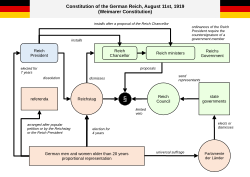
- Constitution: Established on August 11, 1919, creating a system with a Reichstag (legislature) and a Reichspräsident (president).
The Birth of a Republic (1918–1919)
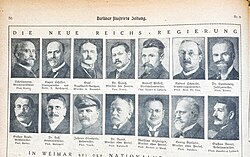
The transition from monarchy to democracy was violent and chaotic. The November Revolution saw sailors in Kiel mutiny, signaling the collapse of imperial authority.
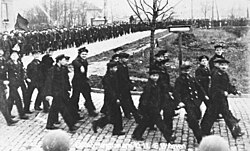
To stabilize the nation, a provisional government was established, leading to the drafting of the Weimar Constitution. This document aimed to balance parliamentary power with a strong presidency to ensure stability in times of crisis.
Years of Crisis: 1919–1923
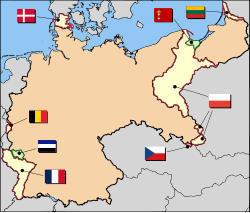
The early years of the republic were defined by the crushing burden of the Treaty of Versailles. Germany suffered significant territorial losses and was forced to accept "war guilt," which fueled deep resentment among the population.
Political Turmoil and Violence
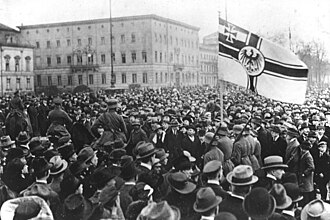
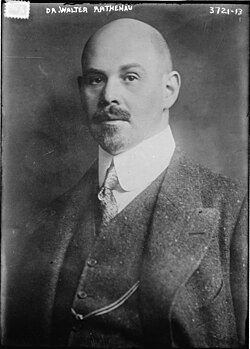
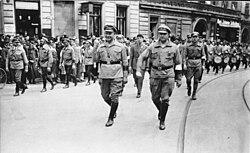
The government faced threats from both the far-left and far-right. The Kapp Putsch, a right-wing coup attempt, and various uprisings demonstrated the fragility of the new state. This era was also marked by political assassinations of key figures like Matthias Erzberger and Walther Rathenau.
Economic Collapse and Hyperinflation
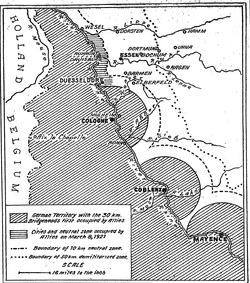
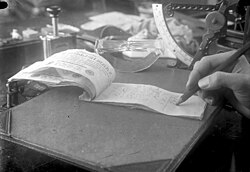
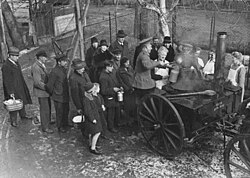
The struggle to pay war reparations, combined with the French occupation of the Ruhr, led to one of the most severe economic collapses in history. Hyperinflation rendered the Papiermark virtually worthless, with prices skyrocketing and savings disappearing overnight.
The Golden Era (1924–1929)
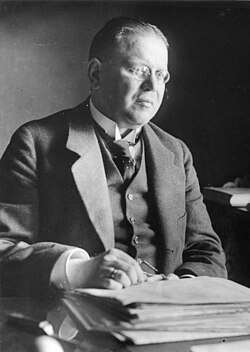
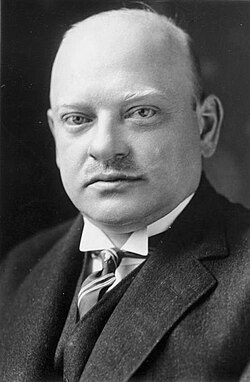
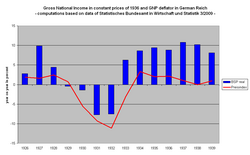
Following the introduction of the Rentenmark and later the Reichsmark, Germany entered a period of relative stability known as the "Golden Twenties." Under the foreign policy leadership of Gustav Stresemann, Germany sought reconciliation with its neighbors and was admitted to the League of Nations in 1926.
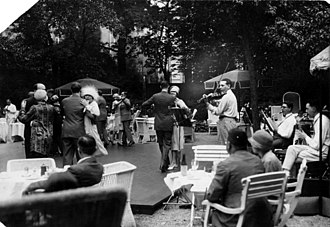
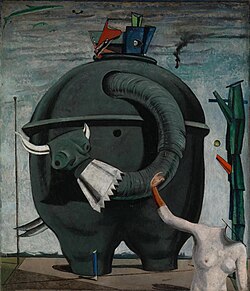
This era was a peak for German culture, characterized by the rise of jazz, avant-garde art, and a vibrant nightlife in Berlin. It was a time of immense creativity and social liberation.
The Descent into Dictatorship (1930–1933)
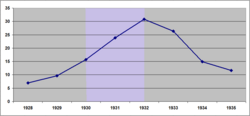
The prosperity of the 1920s ended abruptly with the onset of the Great Depression. As unemployment soared—reaching 30.8% by 1932—the centrist parties collapsed, and voters turned toward political extremes: the Communist Party (KPD) and the Nazi Party (NSDAP).
The Failure of Parliamentary Democracy
Unable to form stable majorities in the Reichstag, the government shifted toward presidential rule by decree. This bypassed the legislature and concentrated power in the hands of the President and his appointed Chancellors.
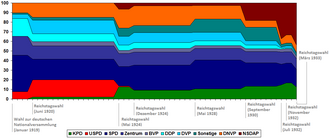
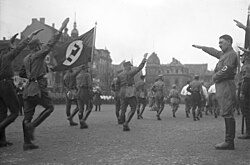
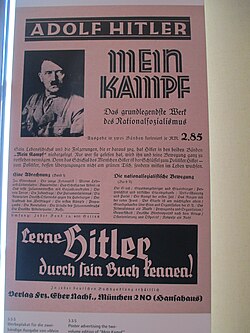
In January 1933, Paul von Hindenburg appointed Adolf Hitler as Chancellor. Shortly after, the Reichstag Fire Decree and the Enabling Act of March 23, 1933, effectively abolished democratic governance, granting Hitler dictatorial powers and transforming the republic into Nazi Germany.
Summary of the Weimar Republic
| Category | Details |
|---|---|
| Capital | Berlin |
| Currency Evolution | Papiermark → Rentenmark → Reichsmark |
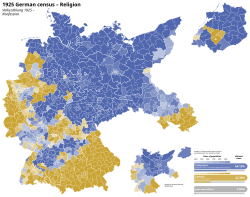
| Religious Demographics (1925) | 64.1% Protestant, 32.4% Catholic, 0.9% Jewish |
| Key Legislative Bodies | Reichstag and Reichsrat |
| Primary Cause of End | Economic depression and the rise of the NSDAP |
Frequently Asked Questions
Why was it called the "Weimar Republic"?
It is named after the town of Weimar, where the National Assembly met in 1919 to draft and adopt the new constitution, as Berlin was considered too volatile at the time.
What was the impact of the Treaty of Versailles?
The treaty imposed heavy financial reparations, stripped Germany of significant territories, and forced the nation to accept sole responsibility for the war, creating a legacy of bitterness that right-wing parties exploited.
How did hyperinflation affect the German people?
Hyperinflation destroyed the middle class's life savings and made basic goods unaffordable, leading to widespread poverty and a loss of faith in the democratic government's ability to manage the economy.
What was the Enabling Act?
Passed in March 1933, the Enabling Act was a law that gave Adolf Hitler the power to enact laws without the consent of the Reichstag, effectively ending the democratic era of the Weimar Republic.
Who were the two presidents of the Weimar Republic?
The first president was Friedrich Ebert (1919–1925), a Social Democrat, and the second was Paul von Hindenburg (1925–1934), a former military field marshal.