World War II: A Global Conflict and Its Aftermath
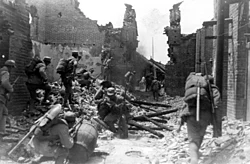
World War II was the most expansive and destructive conflict in human history, spanning from September 1, 1939, to September 2, 1945. This global struggle pitted the Allies—led primarily by the Soviet Union, the United States, the United Kingdom, and China—against the Axis powers, dominated by Nazi Germany, Imperial Japan, and Fascist Italy. The war fundamentally reshaped global borders, political ideologies, and the nature of modern warfare.
Key Facts
- Duration: 6 years and 1 day (1939–1945).
- Casualties: Estimated 60 to 75 million deaths, including both military and civilian populations.
- Outcome: Decisive Allied victory.
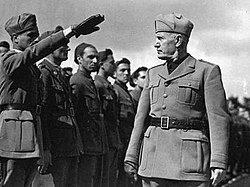
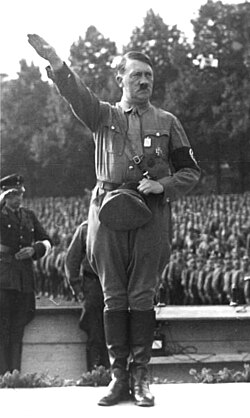
- Major Leaders: Joseph Stalin, Franklin D. Roosevelt, Winston Churchill, and Chiang Kai-shek (Allies); Adolf Hitler, Hirohito, and Benito Mussolini (Axis).
- Scope: Global, with major theaters in Europe, the Pacific, North Africa, and East Asia.
The Road to War
The roots of the conflict lay in the unstable aftermath of World War I and the rise of totalitarian regimes. In Europe, Adolf Hitler's Nazi party in Germany and Benito Mussolini's Fascist regime in Italy sought territorial expansion and the imposition of their ideologies.
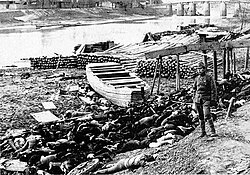
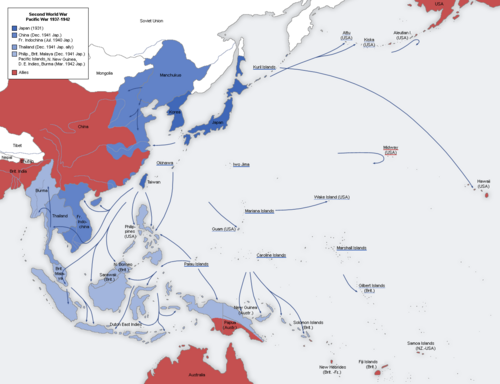
Parallel to European tensions, Imperial Japan pursued hegemony in Asia, leading to the invasion of China in 1937. This period was marked by severe atrocities, including the Nanjing massacre in December 1937.
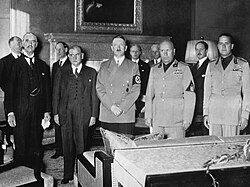
Other pre-war flashpoints included the Italian invasion of Ethiopia in 1935 and the Spanish Civil War (1936–1939). Diplomatic efforts to prevent a wider war, such as the Munich Agreement of September 1938, ultimately failed to deter Axis aggression.
The Course of the Conflict
![A German propaganda photograph reenacting the removal of the Polish border crossing in Sopot[68]](/images/7d/27/7d27d503e191fda853688c85ab0fc7e44a67973ea0ea306c7e2329615d42376a.jpg)
The Outbreak and Axis Expansion (1939–1941)
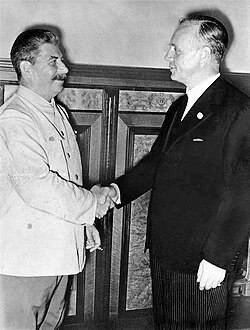
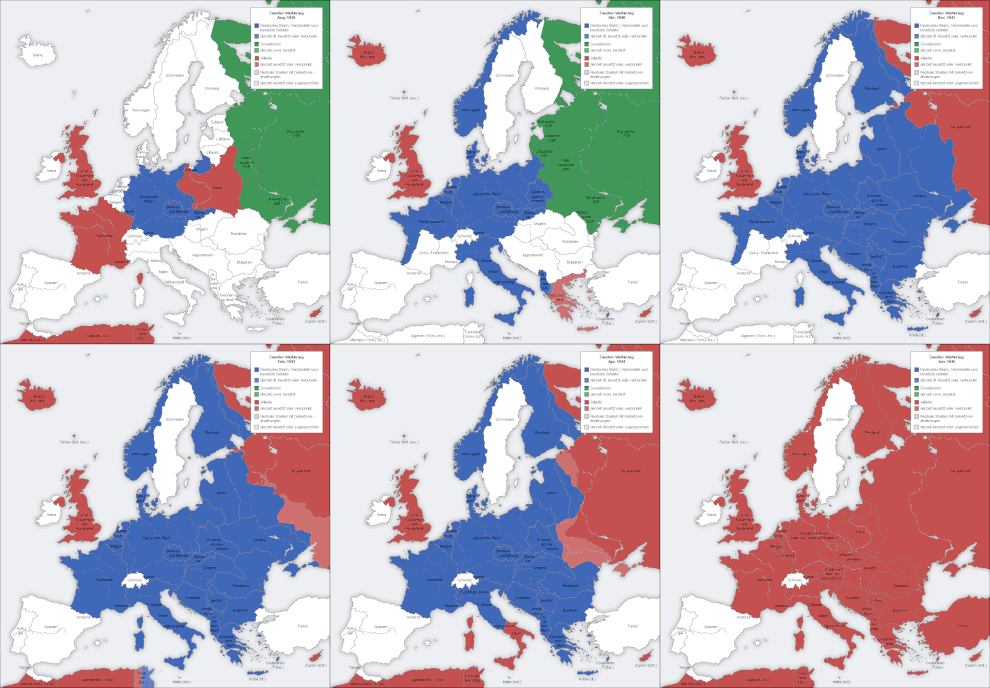
The war in Europe began on September 1, 1939, when Germany invaded Poland. This followed the Molotov–Ribbentrop Pact, a non-aggression agreement between Germany and the Soviet Union.
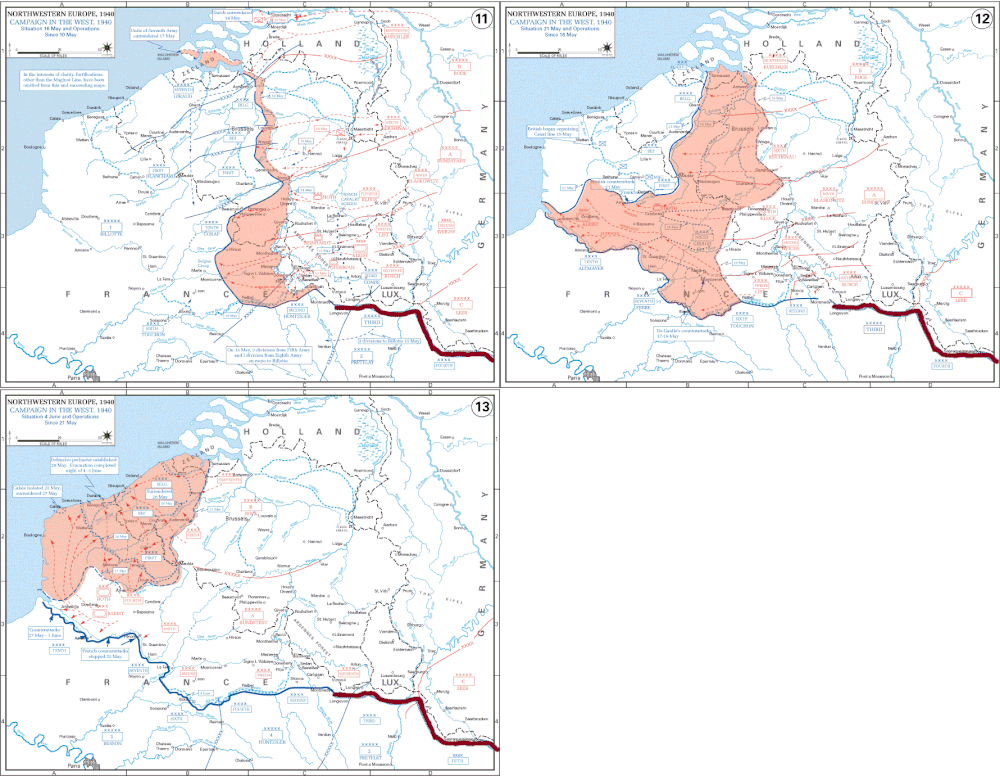
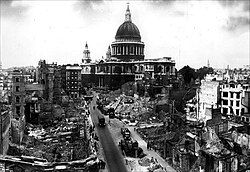
By 1940, Germany utilized rapid military tactics to sweep through Belgium and Northern France, bypassing the Maginot Line—a series of French fortifications—and forcing the fall of France. The United Kingdom remained the primary Western opponent, enduring the German Blitz, a period of intense strategic bombing.
The Global Escalation (1941–1942)
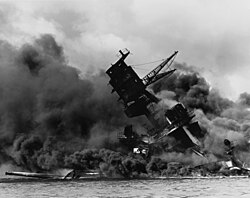
The conflict expanded dramatically in 1941. In June, Germany launched a massive invasion of the Soviet Union, opening the Eastern Front. Simultaneously, in the Pacific, Japan launched a surprise air attack on the United States Pacific Fleet at Pearl Harbor on December 7, 1941, bringing the United States into the war.
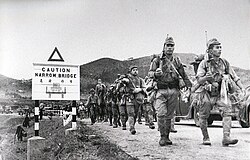
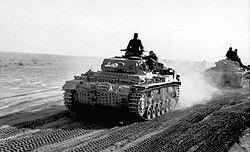
Japan quickly expanded its control across Southeast Asia, including the occupation of Hong Kong. Meanwhile, the Axis powers fought in North Africa, where the German Afrika Korps attempted to secure the Mediterranean region.
The Turning Tide (1942–1944)
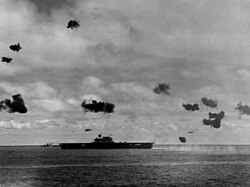
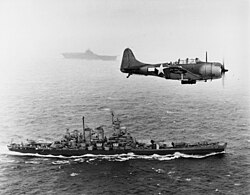
The momentum shifted between 1942 and 1943. In the Pacific, the Battle of Midway proved a critical turning point, halting Japanese naval expansion. On the Eastern Front, the Battle of Stalingrad resulted in a catastrophic defeat for the German army, marking the beginning of the Soviet counter-offensive.
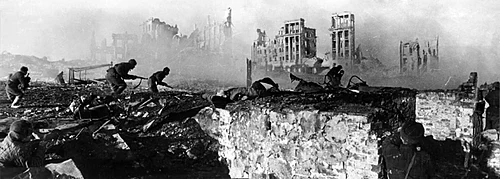
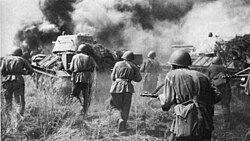
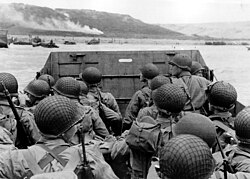
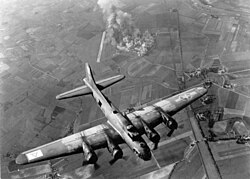
The Allies continued to gain ground through strategic bombing raids over Germany and massive tank battles, such as the Battle of Kursk. In June 1944, the invasion of Normandy (D-Day) established a Western front in Europe, leading to the liberation of France.
Axis Collapse and Victory (1944–1945)
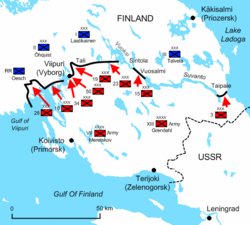
By 1945, the Axis powers were in full retreat. The Soviet Union pushed through Eastern Europe toward Berlin, while American and Allied forces advanced through Italy and Western Europe. In the Pacific, the U.S. engaged in an island-hopping campaign, eventually returning to the Philippines.
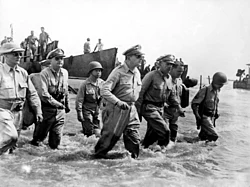
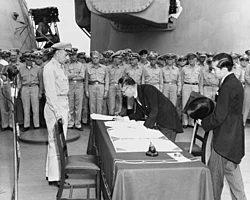
The war in Europe ended with the surrender of Germany in May 1945. The conflict in the Pacific concluded on September 2, 1945, following the U.S. atomic bombings of Hiroshima and Nagasaki and the formal signing of the Japanese Instrument of Surrender aboard the USS Missouri.
The Human Cost and Aftermath
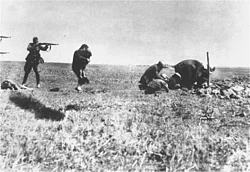
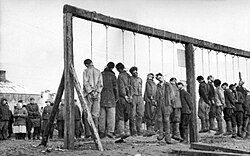
The war was characterized by unprecedented atrocities. The Holocaust saw the systematic genocide of millions of Jews and other targeted groups by the Nazi regime in concentration camps like Auschwitz and Bergen-Belsen.
![Prisoner identity photograph of a Polish girl taken by the German SS in Auschwitz.[391] Approximately 230,000 children were held prisoner and used in forced labour and Nazi medical experiments.](/images/a6/c5/a6c5e8ade5deb5276b28c29b1c219d7cb9ceaeb8fe1a2ea75ba73d9f407fc61e.jpg)
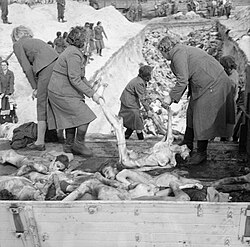
War crimes were widespread, including the massacre of civilians in the Soviet Union and the Philippines. Following the war, the Nuremberg trials were established to prosecute the political and military leadership of Nazi Germany for crimes against humanity.
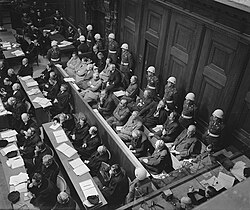
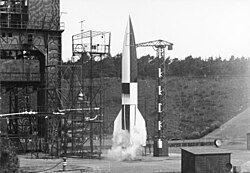
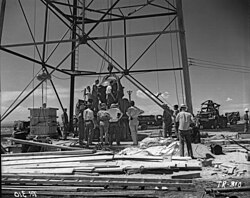
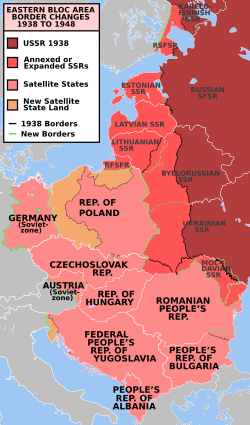
The geopolitical landscape was permanently altered. Central Europe saw significant border changes, and the creation of the communist Eastern Bloc set the stage for the Cold War. Technological leaps occurred during the war, most notably the development of the V-2 rocket and the first nuclear weapons.
| Category | Details |
|---|---|
| Timeframe | September 1, 1939 – September 2, 1945 |
| Primary Belligerents | Allies vs. Axis |
| Estimated Deaths | 60–75 million |
| Key Turning Points | Stalingrad, Midway, Normandy |
| Final Outcome | Allied Victory; Establishment of New World Order |
Frequently Asked Questions
What triggered the start of World War II in Europe?
The war in Europe began when Nazi Germany, led by Adolf Hitler, invaded Poland on September 1, 1939, prompting Great Britain and France to declare war on Germany.
What was the significance of the Battle of Stalingrad?
The Battle of Stalingrad is considered one of the most calamitous defeats for the German armed forces. It halted the Axis advance into the Soviet Union and shifted the momentum of the war in favor of the Allies on the Eastern Front.
How did the United States enter the war?
The United States entered the conflict after the Imperial Japanese Navy launched a surprise air attack on the U.S. Pacific Fleet at Pearl Harbor, Hawaii, on December 7, 1941.
What were the Nuremberg trials?
The Nuremberg trials were a series of military tribunals held by the Allied forces to prosecute prominent members of the Nazi leadership for war crimes, crimes against peace, and crimes against humanity.
What technological advancements resulted from the war?
The war accelerated the development of several critical technologies, including jet propulsion, the V-2 rocket, and the creation of nuclear weapons, culminating in the Trinity test and the bombings of Japan.