Wilhelm II: The Rise and Fall of Germany's Last Emperor
Wilhelm II served as the last German Emperor and King of Prussia from 1888 until his abdication in 1918. His reign was a period of immense industrial growth and military expansion, but it was also marked by diplomatic volatility that contributed to the outbreak of World War I. His eventual fall from power brought an end to the 400-year rule of the Hohenzollern dynasty over Prussia and the collapse of the German Empire.
Born into the heart of Prussian royalty on January 27, 1859, Wilhelm's early life was shaped by the rigid expectations of the monarchy and a traumatic birth. As he grew, he developed a complex personality characterized by a deep love for military tradition and a desire for personal authority.
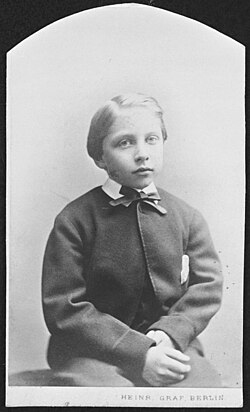
Early Life and Accession
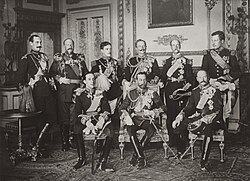
Prince Friedrich Wilhelm spent his youth preparing for a role of leadership. By the age of 18, he was a student in Kassel, embodying the disciplined image of a future sovereign.
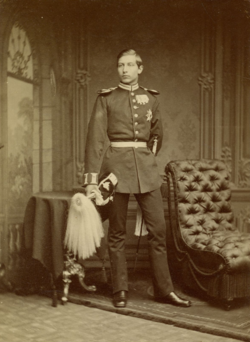
The transition to power was swift and tragic. Following the death of Kaiser Wilhelm I on March 9, 1888, Wilhelm's father, Frederick III, ascended the throne. However, Frederick III suffered from incurable throat cancer and reigned for only 99 days. On June 15, 1888, the 29-year-old Wilhelm II became the German Emperor and King of Prussia.
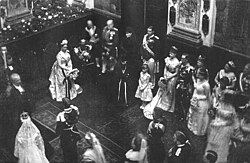
The Shift in Power: Dismissing Bismarck
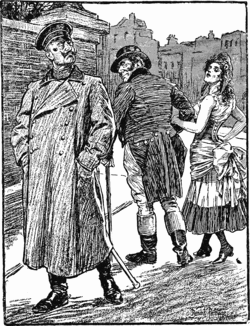
One of the first major political shifts of Wilhelm's reign was his relationship with Otto von Bismarck, the Chancellor who had effectively dictated German policy for years. Seeking to exert his own will and implement a "New Course," Wilhelm forced Bismarck's resignation in March 1890.
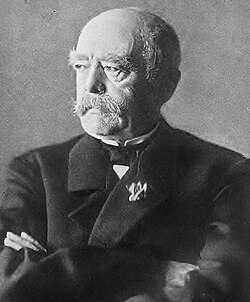
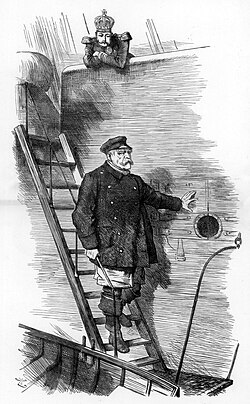
This move signaled a transition from the cautious, calculated diplomacy of Bismarck to a more impulsive and assertive style of leadership. The event was famously captured in contemporary media, symbolizing the "dropping of the pilot" who had steered the German state.
Imperial Ambitions and Foreign Affairs

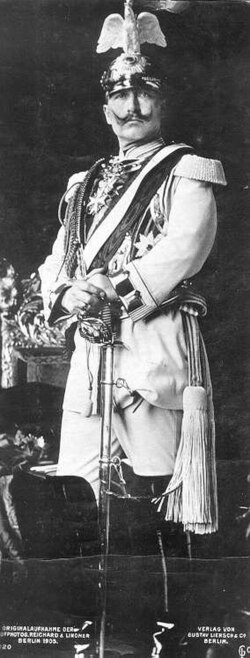
Wilhelm II was known for his flamboyant personality and his obsession with military aesthetics, often appearing in elaborate uniforms.
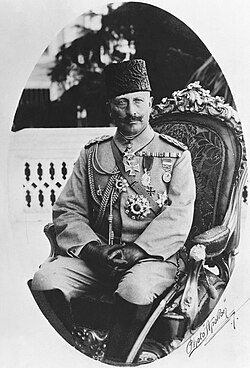
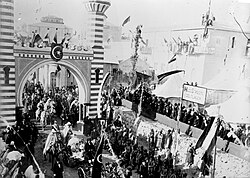
His foreign policy was characterized by a desire for Weltpolitik (world policy), aiming to transform Germany into a global power. This included high-profile state visits, such as his 1898 trip to the Ottoman Empire and Jerusalem, and the cultivation of ties with the Sultan.
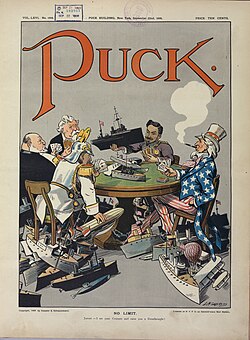
However, his erratic diplomacy often alienated other European powers. His relationship with his British relatives was strained, and his pursuit of a massive navy led to a costly and tense naval arms race with the United Kingdom. This tension was reflected in the political cartoons of the era, which often depicted the Kaiser as a threatening or isolated figure.
The Path to World War I
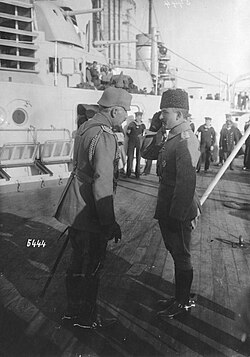
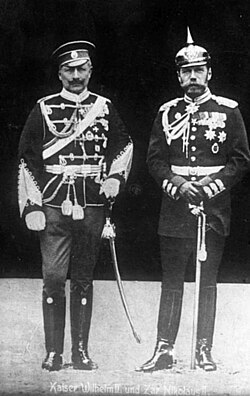
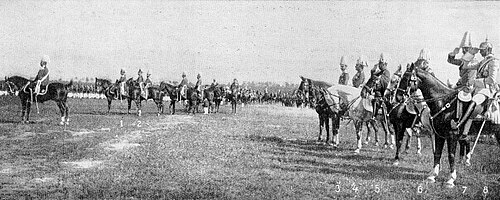
By the early 20th century, Germany was deeply embedded in a network of military alliances. Wilhelm continued to engage in military maneuvers and maintain close ties with other European monarchs, including Tsar Nicholas II of Russia.
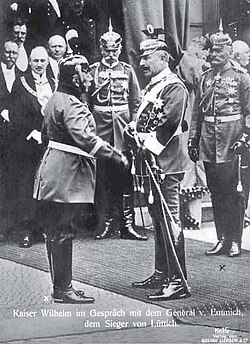
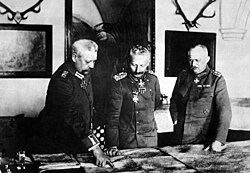
The Sarajevo crisis of 1914 acted as the catalyst for World War I. While Wilhelm initially attempted to manage the crisis, Germany soon entered the conflict. As the war progressed, the Kaiser's actual influence waned, and he became a "shadow-Kaiser," with real power shifting toward military leaders like Paul von Hindenburg and Erich Ludendorff.
Abdication, Exile, and Death
As Germany faced defeat in 1918, internal unrest led to the collapse of the monarchy. Wilhelm II abdicated the throne on November 9, 1918, and fled to the Netherlands. He spent the remainder of his life in exile at Huis Doorn.
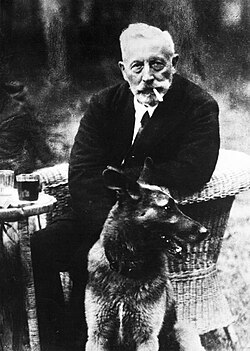
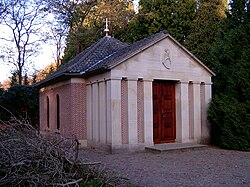
During his exile, Wilhelm remained a controversial figure, expressing views that were anti-English and antisemitic. He also commented on the rise of Nazism and Adolf Hitler. He died on June 4, 1941, at the age of 82, and was buried on the grounds of his estate.
Key Facts
- Reign: June 15, 1888 – November 9, 1918.
- Dynasty: The last ruler of the House of Hohenzollern.
- Major Political Move: Forced the resignation of Chancellor Otto von Bismarck in 1890.
- Foreign Policy: Promoted Weltpolitik and engaged in a naval arms race with Britain.
- End of Power: Abdicated during the German Revolution of 1918.
- Exile: Lived in Huis Doorn, Netherlands, until his death in 1941.
| Category | Details |
|---|---|
| Full Name | Friedrich Wilhelm Viktor Albert |
| Born | January 27, 1859 (Berlin, Prussia) |
| Died | June 4, 1941 (Doorn, Netherlands) |
| Spouses | Augusta Viktoria of Schleswig-Holstein; Hermine Reuss of Greiz |
| Predecessor | Frederick III |
| Successor | Friedrich Ebert (President of Weimar Republic) |
Family and Personal Life
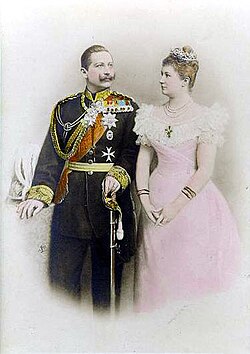
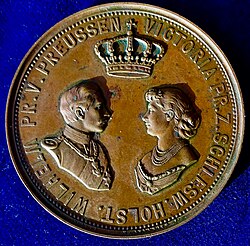
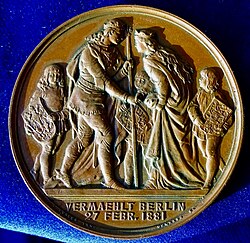
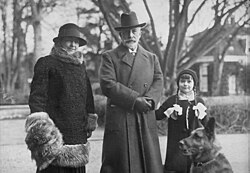
Wilhelm's first marriage to Augusta Viktoria produced seven children, including Crown Prince Wilhelm. His later years in exile saw a second marriage to Hermine Reuss of Greiz.
Frequently Asked Questions
Why did Wilhelm II dismiss Otto von Bismarck?
Wilhelm II wanted to move away from Bismarck's cautious diplomacy and establish his own personal authority over the German government, initiating what he called the "New Course."
What was the "naval arms race"?
It was a competitive buildup of naval power between Germany and the United Kingdom in the early 20th century, as Wilhelm II sought to build a fleet capable of challenging British maritime supremacy.
Did Wilhelm II lead Germany during World War I?
While he was the nominal head of state, his power diminished as the war continued. By 1917, he had become a "shadow-Kaiser," with military leaders Hindenburg and Ludendorff exercising primary control over the war effort.
Where did Wilhelm II go after his abdication?
He went into exile in the Netherlands, where he lived at Huis Doorn until his death in 1941.
Who succeeded Wilhelm II as the leader of Germany?
Following the abolition of the monarchy, the German Empire was replaced by the Weimar Republic, with Friedrich Ebert serving as its first President.