German Empire (1871–1918)
The German Empire, also known as the Second Reich, was a federal constitutional monarchy that existed from 1871 until 1918. Emerging from the unification of various German states, it rapidly transformed from a collection of disparate principalities into a dominant global industrial and military power. Centered in Berlin, the Empire was characterized by a complex balance of power between the Emperor, the Chancellor, and the constituent states.
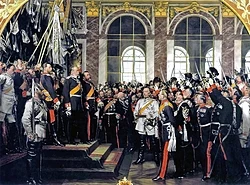
The foundation of the Empire was marked by the proclamation of Emperor William I on January 18, 1871, at the Palace of Versailles, signaling the shift of power in Central Europe.
Key Facts
- Duration: 1871 to 1918.
- Government: Federal constitutional monarchy.
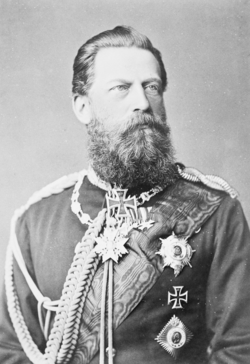
- Key Leaders: Emperors Wilhelm I, Friedrich III, and Wilhelm II; Chancellor Otto von Bismarck.
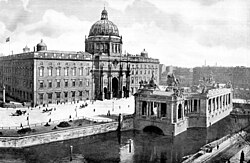
- Capital: Berlin.
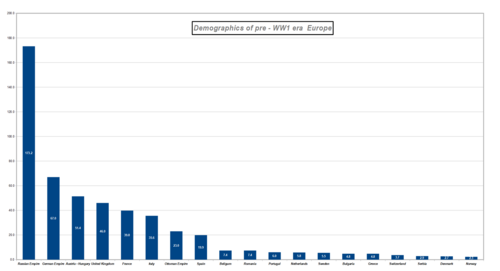
- Population: Grew from approximately 41 million in 1871 to nearly 65 million by 1910.
- Demise: Collapsed following the German Revolution of 1918 and the end of World War I.
The Foundation and the Bismarck Era
The Empire was established through the strategic leadership of Otto von Bismarck, the first Chancellor of Germany. Bismarck's era was defined by the consolidation of the nation-state and the establishment of a strong central authority under the Prussian crown.
Domestic Consolidation and Conflict
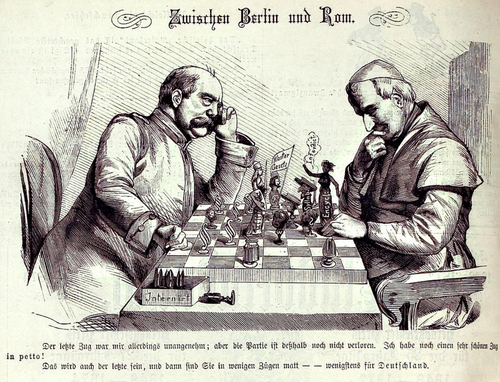
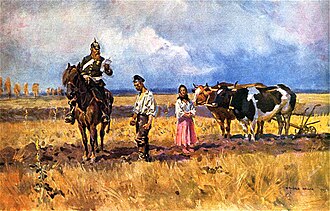
Internal stability was not without struggle. The Empire faced significant social and religious tensions, most notably the Kulturkampf (culture struggle), a conflict between the state and the Catholic Church hierarchy. Additionally, the state pursued policies of Germanization and faced rising antisemitism during the late 19th century.
Industrialization and Infrastructure
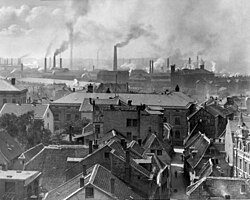
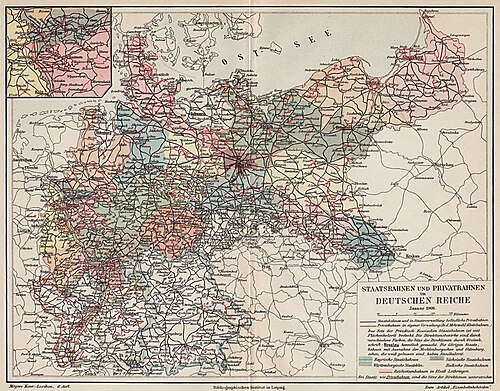
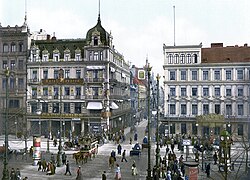
Germany experienced an unprecedented economic boom, becoming a global industrial powerhouse. The growth of heavy industry, exemplified by the Krupp works in Essen, and the rapid expansion of the railway network integrated the empire's economy and facilitated military mobilization.
Imperial Expansion and Foreign Policy
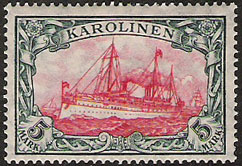
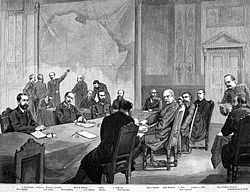
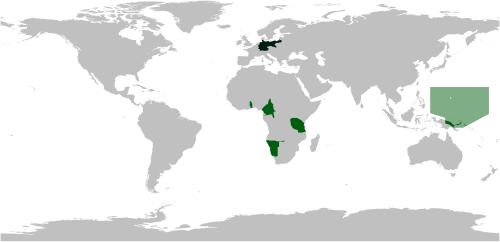
Under Bismarck, foreign policy focused on maintaining a balance of power in Europe. However, the Empire also sought a place in the sun through the acquisition of overseas colonies and protectorates, a process formalized during the Berlin Conference of 1884.
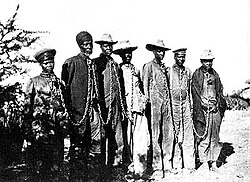
By 1914, the German colonial empire spanned various territories across Africa and the Pacific, though these possessions often faced violent resistance, such as the Herero revolt between 1904 and 1908.
The Wilhelmine Era
The ascension of Wilhelm II in 1888 marked a shift in governance. After forcing Bismarck's resignation in 1890, Wilhelm II pursued a more assertive and aggressive foreign policy, which increased tensions with other European powers.
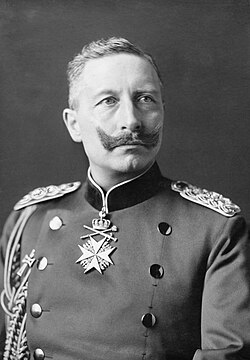
The era saw the expansion of the Imperial German Navy and a more prominent role for the Emperor in state affairs, moving away from the cautious diplomacy of the Bismarck years.
World War I and the Fall of the Empire
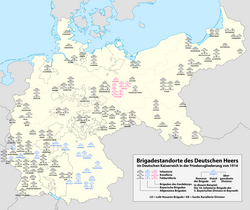
The tensions of the early 20th century culminated in the outbreak of World War I on July 28, 1914. Germany fought as part of the Central Powers, engaging in a brutal two-front war against the Entente on the Western and Eastern Fronts.
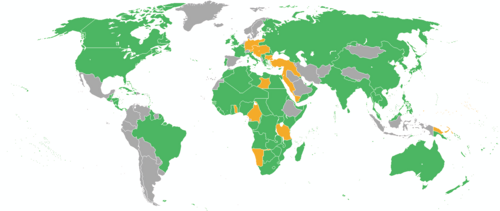
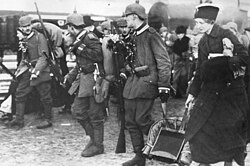
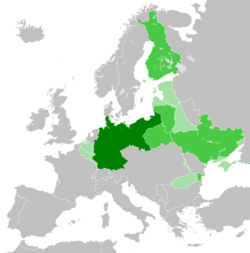
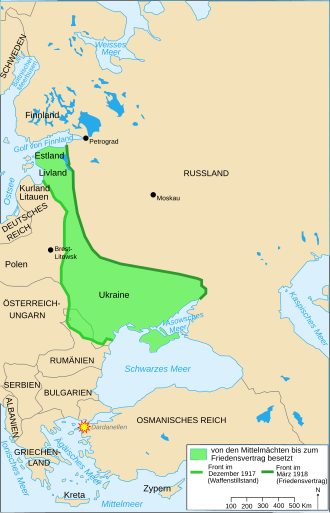
Despite early military successes and the occupation of various territories, the strain of total war and the Allied blockade led to internal collapse. By 1918, the German military leadership, under Paul von Hindenburg and Erich Ludendorff, had gained de facto control over the government.
Revolution and Abdication
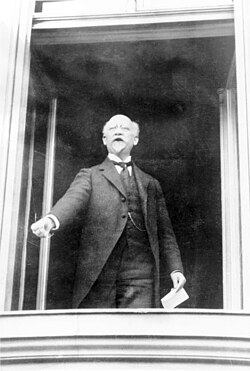
In November 1918, the German Revolution broke out. On November 9, Emperor Wilhelm II abdicated, and the republic was proclaimed from the Reichstag building by SPD leader Philipp Scheidemann, bringing an end to the monarchy.
Imperial Structure and Demographics
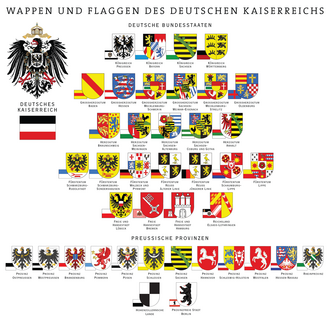
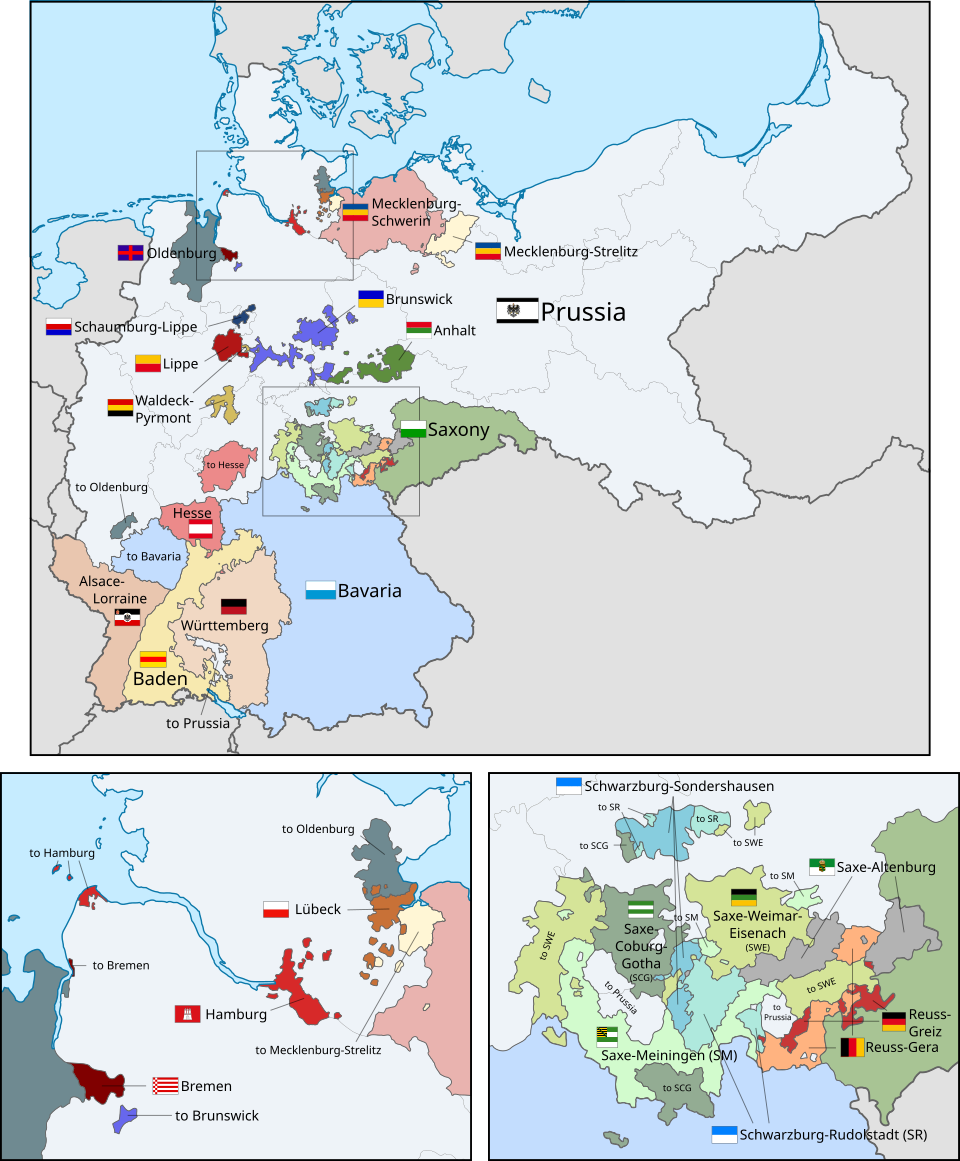
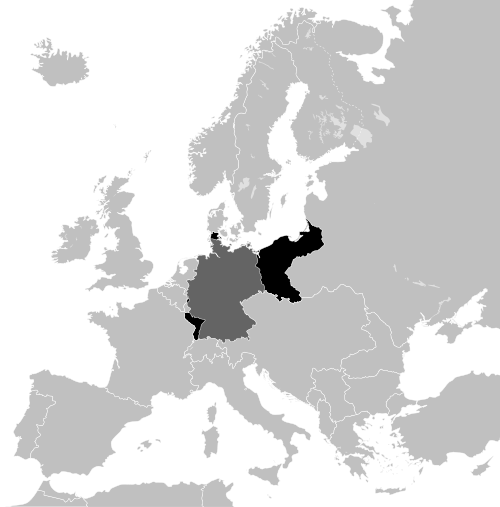
The Empire was a federation of various kingdoms, grand duchies, and free cities, with Prussia being the most dominant state.
| Category | Examples of States | Capitals |
|---|---|---|
| Kingdoms | Prussia, Bavaria, Saxony, Württemberg | Berlin, Munich, Dresden, Stuttgart |
| Grand Duchies | Baden, Hesse, Oldenburg | Karlsruhe, Darmstadt, Oldenburg |
| Duchies | Anhalt, Brunswick, Saxe-Meiningen | Dessau, Braunschweig, Meiningen |
| Free Cities | Bremen, Hamburg, Lübeck | Bremen, Hamburg, Lübeck |
| Imperial Territory | Alsace-Lorraine | Straßburg |
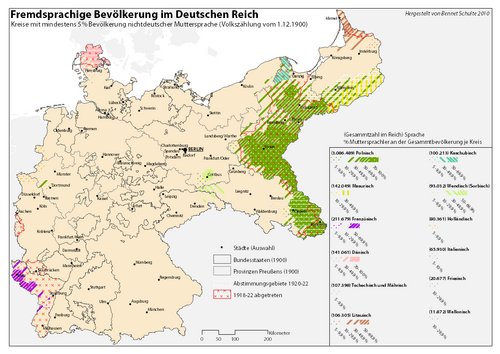
Demographically, the Empire was predominantly German-speaking (92.05% in 1900), with significant Polish (5.48%) and French (0.38%) minorities. Religiously, the population was majority Protestant (62.63%), followed by Catholics (35.89%) and a Jewish minority (1.24%).
Frequently Asked Questions
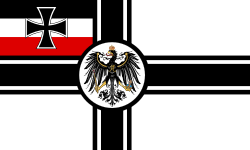
![Flag of the German colonial empire[citation needed]](/images/34/de/34ded6fa69d8745b3b4d6985e24786679e291806ebf550df6f726cee2e9cb2b0.webp)
Who was the primary architect of the German Empire?
Otto von Bismarck was the primary architect, serving as the first Chancellor and orchestrating the unification of the German states under Prussian leadership.
What was the Kulturkampf?
The Kulturkampf was a period of conflict in the 1870s between the German Empire, led by Bismarck, and the Catholic Church, aimed at reducing the influence of the Church in state affairs.
How did the German Empire end?
The Empire ended in November 1918 following the German Revolution and the abdication of Kaiser Wilhelm II, leading to the proclamation of a republic.
What territories did Germany lose after the World Wars?
Germany lost several territories, including Alsace-Lorraine to France, Northern Schleswig to Denmark, and significant eastern lands (such as Silesia and East Prussia) to Poland and Russia.
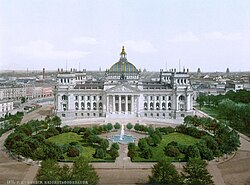
What was the role of the Reichstag?
The Reichstag served as the imperial legislature, though the Emperor and the Chancellor held the majority of executive power during the Empire's existence.