Prussia: The Rise and Fall of the Iron Kingdom
Prussia was a powerhouse German state centered on the North European Plain that decisively shaped the trajectory of modern Germany. From its origins as a monastic territory to its role as the driving force behind the unification of the German Empire in 1871, Prussia was defined by its military discipline, administrative efficiency, and the enduring rule of the House of Hohenzollern.
The state evolved through several distinct phases: beginning as a duchy, ascending to a kingdom, and eventually becoming the dominant entity within the German Reich before its formal abolition in 1947. Its legacy remains visible today in the political and cultural landscape of Central Europe.
Key Facts
- Origin: Emerged from the secularization of the Teutonic Order's lands in 1525.
- Ruling Dynasty: The House of Hohenzollern.
- Capitals: Königsberg (1525–1701) and Berlin (1701–1947).
- Peak Influence: Led the unification of German states to form the German Empire in 1871.
- Dissolution: De facto dissolved in 1932 and de jure abolished by Allied decree in 1947.
- Motto: Gott mit uns ("God with us").
The Foundations: From Crusaders to Dukes
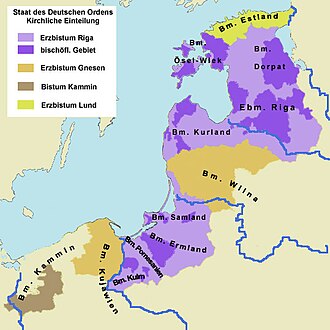
The name Prussia originates from the Old Prussians, Baltic tribes conquered in the 13th century by the Teutonic Knights—a Catholic military order of German crusaders. By 1308, the Order had expanded to include Pomerelia and Danzig. Over time, the region became heavily Germanized through immigration from central and western Germany, while southern areas were influenced by Polish settlers from Masovia.
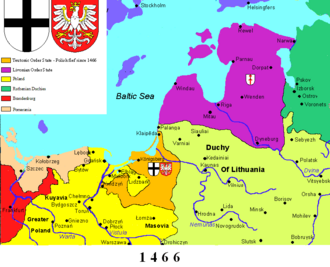
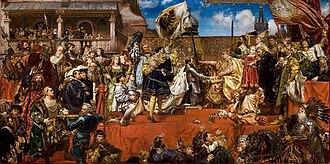
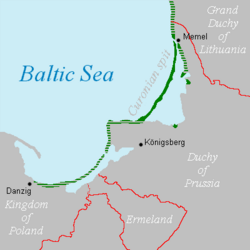
The Second Peace of Thorn in 1466 split the region into Royal Prussia (a province of Poland) and the Duchy of Prussia (a Polish fief). In 1525, the Duchy was secularized, marking the birth of Prussia as a political state under Albert I.
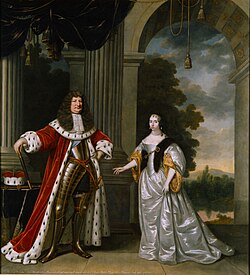
The subsequent union of Brandenburg and the Duchy of Prussia in 1618 created a composite state. Under the leadership of Frederick William I (the "Great Elector"), the state reformed its military to defend its disconnected territories during the turmoil of the Thirty Years' War. By 1657, through a series of treaties, the Hohenzollerns secured full sovereignty over the Duchy of Prussia, removing feudal obligations to the Polish crown.
The Ascendance of the Kingdom of Prussia
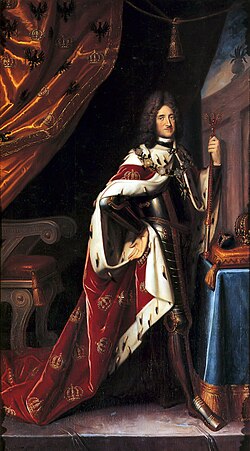
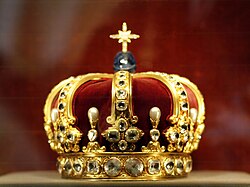
On January 18, 1701, Elector Frederick III crowned himself King Frederick I, elevating the state to the Kingdom of Prussia. While the title was initially restricted to "King in Prussia," the state grew rapidly in power and prestige.
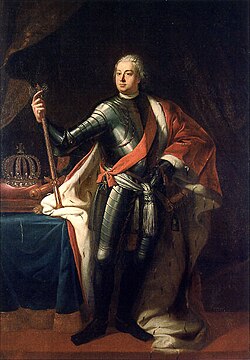
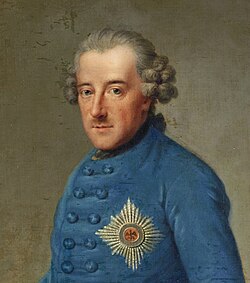
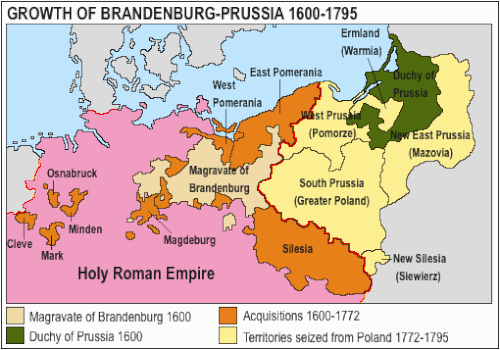
The 18th century saw Prussia enter the ranks of the great European powers, most notably under Frederick II, known as Frederick the Great. He viewed himself as the "first servant of the state," focusing on internal development, military expansion, and the First Partition of Poland in 1772. This partition geographically linked Brandenburg with Prussia proper, allowing the monarch to style himself "King of Prussia." Frederick the Great also established Prussia as a haven for religious refugees, such as the Huguenots.
Expansion and the Napoleonic Era
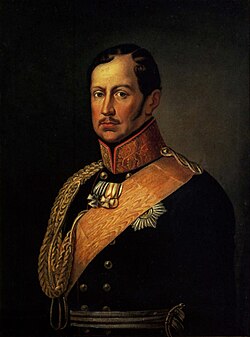
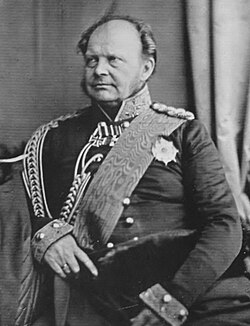
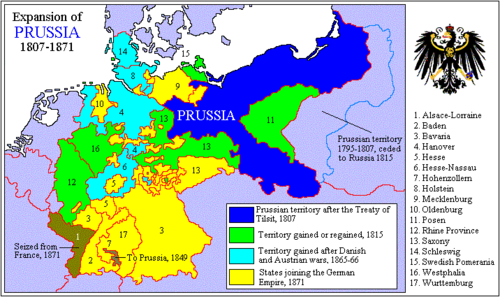
Prussia continued to expand through the Second and Third Partitions of Poland (1793 and 1795). Following the defeat of Napoleon, the Congress of Vienna (1814–1815) granted Prussia significant new territories, including the industrial, coal-rich Ruhr region, which fueled its economic rise.
Unification and the German Empire
In the mid-19th century, Prussia asserted its dominance over the German Confederation. Through a series of conflicts—the Schleswig Wars against Denmark and the Austro-Prussian War—Prussia marginalized Austrian influence in German affairs.
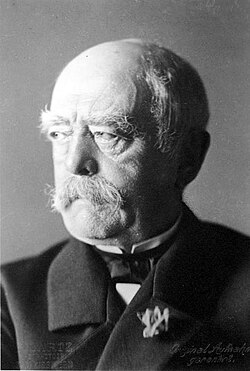
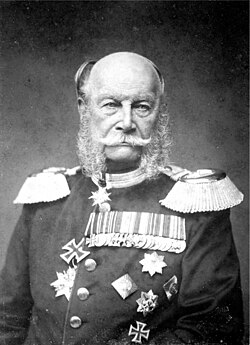
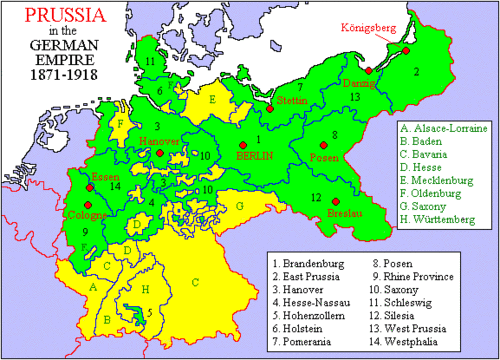
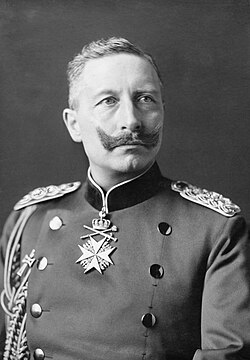
Under the leadership of Minister President Otto von Bismarck, Prussia orchestrated the Franco-Prussian War, which culminated in the unification of the German states. In 1871, the German Empire was proclaimed, with the Prussian King becoming the German Emperor (Kaiser). Prussia was so dominant within this new empire that its elites increasingly identified as Germans rather than Prussians.
The Decline and Abolition of Prussia
Following World War I, the monarchy was abolished in 1918, and Prussia became the Free State of Prussia within the Weimar Republic. During this era, Prussia was often a bastion of democratic coalition governments, though the Nazi Party gained significant ground in rural East Prussia by the early 1930s.
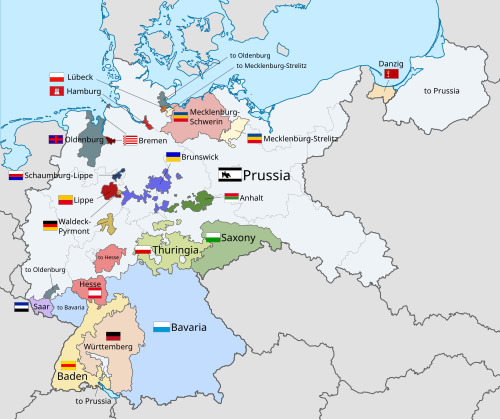
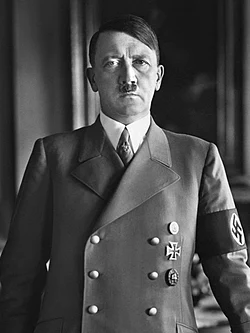
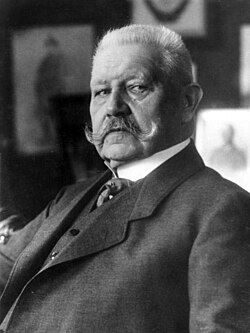
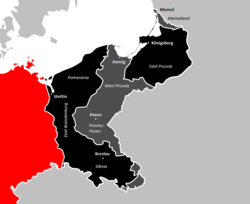
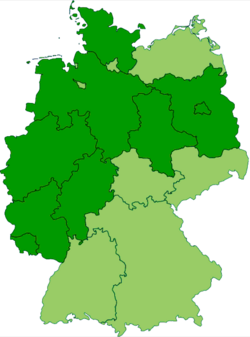
The state's independence ended de facto in 1932 when powers were transferred to Chancellor Franz von Papen. After World War II, the Allied powers formally abolished Prussia in 1947, citing it as a bearer of militarism and reaction. Its former territories were divided among the Soviet occupation zone (later East Germany) and other neighboring states.
Demographics and Culture
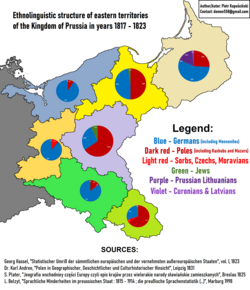
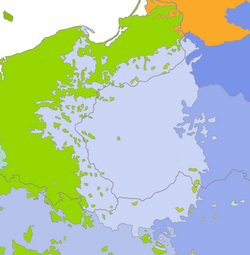
Prussia was a multi-ethnic and multi-confessional state. While German was the official language, significant minorities spoke Polish, Lithuanian, Danish, and others. Religion was predominantly Protestant (Lutheran and Calvinist), though a substantial Catholic minority and the largest Jewish community in Germany existed within its borders.
| Period | Political Status | Key Capital | Defining Characteristic |
|---|---|---|---|
| 1525–1618 | Duchy of Prussia | Königsberg | Secularization of Teutonic Order |
| 1618–1701 | Brandenburg-Prussia | Berlin / Königsberg | Union of territories; military reform |
| 1701–1918 | Kingdom of Prussia | Berlin | Rise as a Great Power; German Unification |
| 1918–1947 | Free State of Prussia | Berlin | Democratic transition; Nazi takeover; Abolition |
Frequently Asked Questions
What was the difference between the Duchy and the Kingdom of Prussia?
The Duchy of Prussia (est. 1525) was a smaller territory and initially a fief of the Polish crown. The Kingdom of Prussia (est. 1701) was a larger, sovereign state formed by the union of the Duchy and Brandenburg, granting the Hohenzollern rulers the title of King.
Who were the Teutonic Knights?
The Teutonic Knights were a medieval Catholic military order of German crusaders who conquered the Baltic Prussian tribes in the 13th century and established a monastic state in the region.
How did Prussia lead the unification of Germany?
Through military strength and the diplomatic strategy of Otto von Bismarck, Prussia defeated Denmark, Austria, and France in a series of wars, eventually uniting the various German states under the Prussian crown in 1871.
Why was Prussia abolished in 1947?
The Allied powers issued a decree abolishing Prussia de jure in 1947 because they viewed the state as a historical center of German militarism and authoritarianism.
What was the role of the Junkers in Prussia?
The Junkers were the landed nobility of Prussia who held significant political and military influence, particularly within the Prussian Army and the administration of the German Empire.