Understanding Wildfires: Causes, Impacts, and Management
A wildfire—also referred to as a forest fire, brushfire, or bushfire—is an unplanned and uncontrolled fire that spreads through combustible vegetation. While these events are often viewed as purely destructive, they are a natural part of many ecosystems. In fact, some forest environments depend on periodic fires to maintain their health and cycle nutrients.
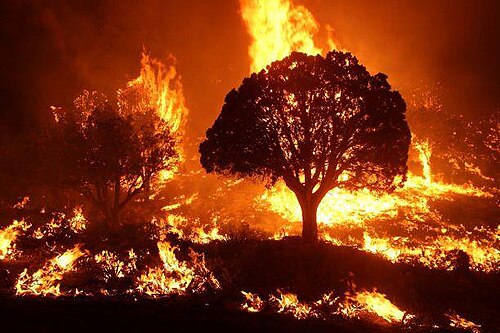
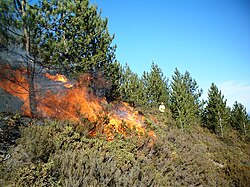
To manage these risks, modern forestry often utilizes prescribed burns. These are controlled fires intentionally set by professionals to reduce fuel loads and promote natural forest cycles. However, even these carefully managed burns carry a risk; if they escape their containment lines, they can transform into dangerous wildfires.
Classification and Severity
Wildfires are classified based on several factors, including their cause of ignition, their physical properties, the type of combustible material present, and how weather conditions influence their behavior. The severity of a fire is rarely the result of a single factor; instead, it stems from a complex combination of available fuels, the physical setting, and local weather patterns.
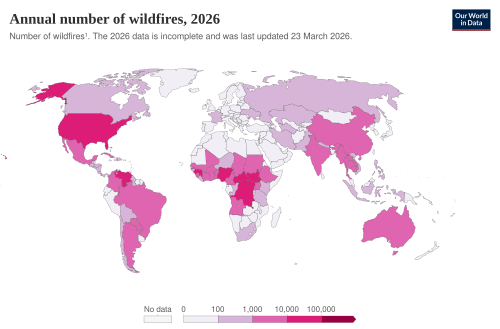
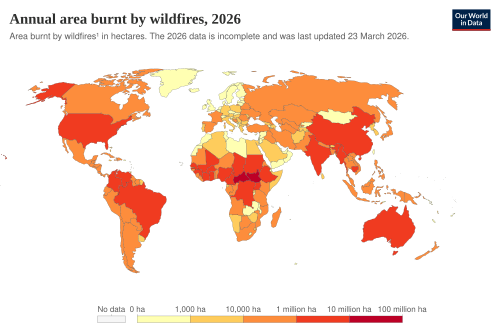
Often, severe wildfires are preceded by specific climatic cycles. A period of significant rainfall can create a surplus of vegetation (fuel), which is then followed by intense heat and drought. This combination creates the perfect conditions for high-intensity fires.
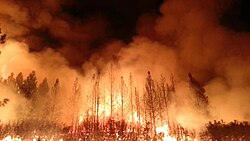
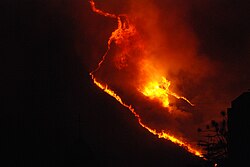
The intensity of a fire can also vary significantly between day and night. Furthermore, different types of fires can occur, such as a surface fire, which burns through leaf litter and low-lying vegetation, or a crown fire, which moves through the tops of trees and is much harder to control.
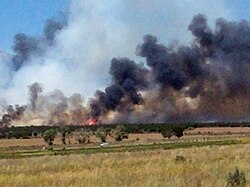
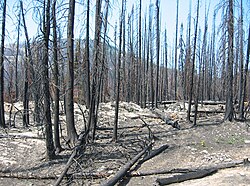
Ignition: Natural and Human Causes
Wildfires can be sparked by natural phenomena, such as lightning, which is a frequent cause of fires during dry summer seasons. However, human activity is also a major driver of ignition.
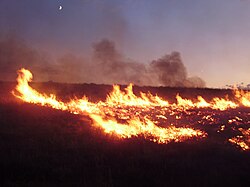
In some instances, humans use fire deliberately for agricultural purposes. For example, local farmers may light controlled fires to promote the growth of specific mushrooms. While these are intentional, they must be managed carefully to prevent them from spreading.
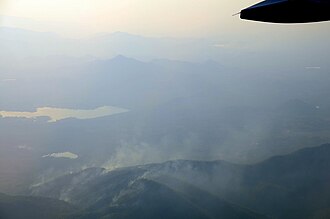
Regional Susceptibility
Certain regions of the world are more prone to wildfires than others. Areas within the taiga biome (large coniferous forests) and regions with Mediterranean climates (characterized by hot, dry summers) are particularly susceptible. Common high-risk areas include Siberia, parts of the United States (such as California, Oregon, and Washington), British Columbia in Canada, and Australia.
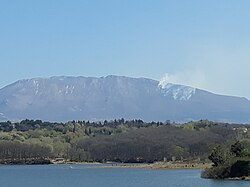
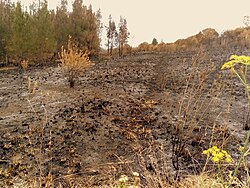
The Impact of Climate Change
Climate change is significantly altering the landscape of wildfire risk. As global temperatures rise, the intensification of climatic cycles—moving from wet periods to extreme droughts—increases the frequency and severity of fires. This creates a dangerous positive feedback loop: more frequent and intense fires release more carbon dioxide and other emissions into the atmosphere, which in turn contributes to further global warming.
![Over recent decades, "forest disturbance" (damage) by fire has increased in most of the planet's forest zones.[77] The increase in area, frequency, and severity of forest fires creates a positive feedback that increases global warming.[77]](/images/09/f0/09f064a085c61a44509718d80abf57347c5eed2582a0c8831eab54cf46815020.webp)
Environmental and Human Impacts
The consequences of wildfires extend far beyond the immediate flames, affecting the atmosphere, ecosystems, and human populations.
Ecological and Atmospheric Effects
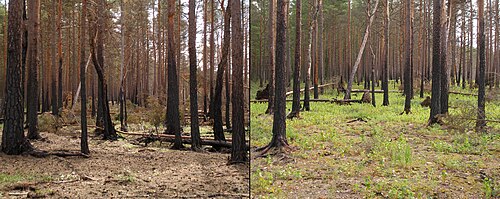
Wildfires have a profound impact on the natural environment. They can alter the composition of forests and affect the health of various ecosystems. However, they also trigger ecological succession—the process by which the structure of a biological community evolves over time following a disturbance.
The atmosphere is also heavily impacted by the smoke and gases released during a fire. Large-scale fires can release massive amounts of smoke into the air, affecting air quality over vast distances.
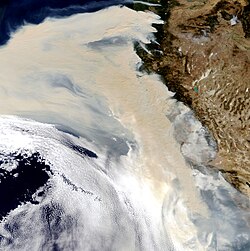
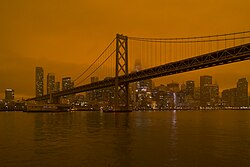
Furthermore, wildfires can affect local wildlife. Animals must often flee their habitats to avoid the heat and smoke of approaching flames.
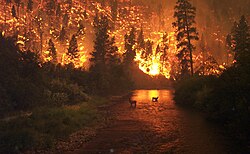
Waterways and agriculture are also at risk. Fires can lead to increased sediment runoff into rivers and the potential contamination of water supplies.
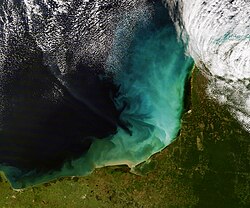
Risks to Human Health and Property
For human settlements, particularly those located in the wildland-urban interface (the transition zone where developed land meets wilderness), wildfires pose a massive threat to property and life. Beyond the direct danger of fire, the smoke produced carries significant airborne hazards.
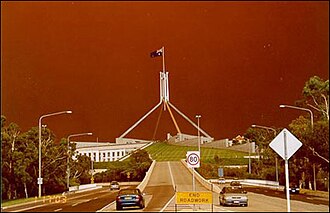
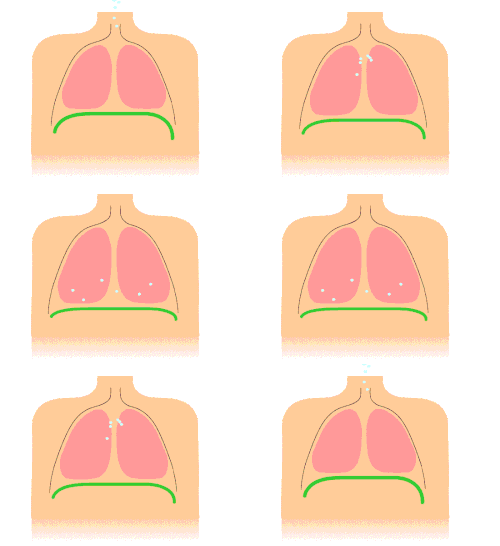
Smoke inhalation can lead to serious health issues, including the exacerbation of asthma and the danger of carbon monoxide poisoning. Vulnerable groups, including residents in fire-prone areas and professional firefighters, face the highest risks.
Prevention, Detection, and Suppression
Managing wildfire risk involves a multi-faceted approach ranging from prevention to active suppression.
Detection and Modeling
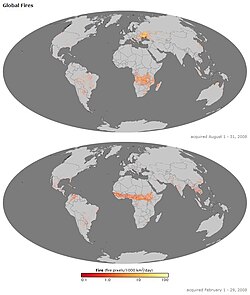
Early detection is critical to preventing a small fire from becoming a catastrophe. Modern technology utilizes local sensor networks, aerial monitoring, and satellite technology to spot fires in real-time. For example, NASA's MODIS and FIRMS systems allow for the tracking of global fire activity via satellite.
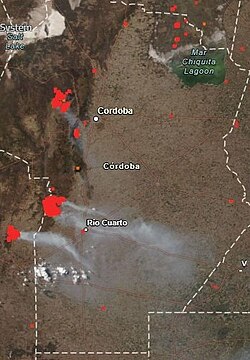
Scientists also use fire propagation models to predict how a fire might spread, allowing for better preparation and resource allocation.
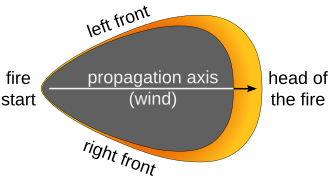
Suppression and Mitigation
When a wildfire breaks out, suppression efforts involve various methods, including the use of fire retardants and physical barriers. In some cases, simple features like dirt roads can act as effective fire barriers to slow the spread of flames.
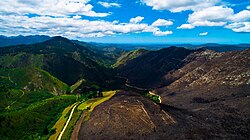
Firefighters use a variety of tools and techniques to combat blazes, ranging from ground crews working brush fires to helicopters dropping water from the air. Historical methods, such as the use of fire lookouts, have also played a role in monitoring forest health.
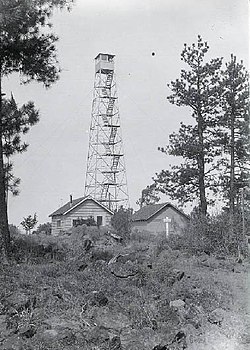
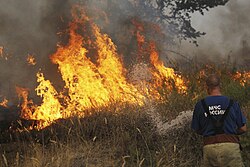
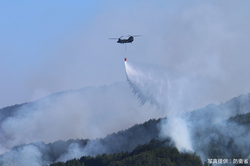
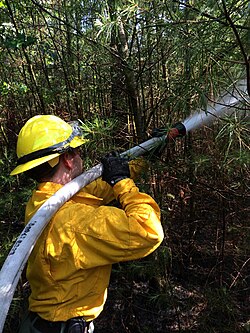
Other mitigation strategies include biological methods, such as goat grazing programs, which help reduce the amount of combustible vegetation in specific areas.
Key Facts
- Definition: A wildfire is an unplanned, uncontrolled fire in combustible vegetation.
- Ecosystem Role: Some natural ecosystems rely on periodic fires for health and regeneration.
- Climate Link: Climate change intensifies the cycle of wet periods followed by drought, increasing fire severity.
- High-Risk Zones: Mediterranean climates and the taiga biome are particularly susceptible to wildfires.
- Detection: Modern detection relies on a combination of local sensors, aerial surveillance, and satellite monitoring.
- Health Risks: Wildfire smoke can exacerbate asthma and pose carbon monoxide dangers.
Summary of Wildfire Characteristics
| Category | Details |
|---|---|
| Common Types | Surface fires, crown fires, brushfires, and bushfires. |
| Primary Causes | Natural (lightning) and Human activity (accidental or intentional). |
| Major Impacts | Property destruction, health issues (smoke), and ecological changes. |
| Management Tools | Prescribed burns, fire retardants, and satellite monitoring. |
Frequently Asked Questions
What is the difference between a wildfire and a prescribed burn?
A wildfire is an unplanned and uncontrolled fire, whereas a prescribed burn is a controlled fire intentionally set by professionals to manage forest risks and promote natural cycles.
How does climate change increase wildfire risk?
Climate change intensifies climatic cycles, creating longer periods of drought and heat following wet periods. This increases the amount of available fuel and the likelihood of severe, high-intensity fires.
What is the wildland-urban interface (WUI)?
The wildland-urban interface is the transition zone where developed land and human settlements meet wilderness or undeveloped land, making these areas particularly vulnerable to wildfire damage.
How are wildfires detected?
Wildfires are detected through various methods, including local sensor networks, aerial monitoring, and satellite-based systems like NASA's MODIS and FIRMS.
What are the main health risks associated with wildfire smoke?
The primary health risks include the exacerbation of respiratory conditions like asthma and the danger posed by inhaling carbon monoxide and other airborne hazards.