Understanding the Tundra: A Guide to Earth's Treeless Biomes
The tundra is a unique and harsh biome characterized by extreme cold and a landscape where tree growth is strictly limited. Because of the frigid temperatures and incredibly short growing seasons, the vegetation is vastly different from the lush forests found in more temperate regions. Instead, the tundra is a world of low-growing plants, resilient species, and specialized ecosystems that exist in the far reaches of our planet.
The Origins of the Word
The term "tundra" is derived from the Russian word ту́ндра. While its exact origins remain a subject of debate among linguists, it may have been borrowed from French, or it could stem from the Sámi language family word tundar, meaning "fell," "elevated wasteland," or "marshy plain." Some scholars also suggest a connection to the Finnish word tunturi, which translates to "treeless plain."
The Three Distinct Types of Tundra
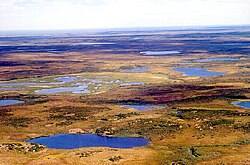
Tundra environments are generally categorized into three main regions: Arctic, Antarctic, and Alpine. Each type is defined by its specific geography and climatic conditions.
Arctic Tundra
The Arctic tundra is located in the far Northern Hemisphere, situated north of the taiga (the subarctic forest belt). In this region, the term "tundra" often refers specifically to areas where the subsoil consists of permafrost—ground that remains permanently frozen. This permafrost covers vast stretches of northern Russia and Canada. Historically, these lands have been home to nomadic reindeer herders, such as the Nenets, Nganasan, and Sámi peoples.
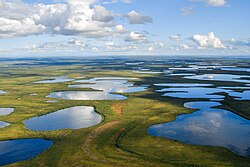
The climate in the Arctic tundra is often described as a polar desert because it receives very little precipitation, typically only 150–250 mm (6–10 in) per year. The landscape is shaped by extreme seasonal shifts. During the winter, temperatures can average −28 °C (−18 °F) and occasionally plummet to −50 °C (−58 °F). In the summer, the top layer of soil thaws, creating a soggy landscape filled with marshes, lakes, bogs, and streams. Despite the summer thaw, the ground remains largely frozen just 25 to 90 cm (10 to 35 in) below the surface, preventing deep-rooted trees from establishing themselves.
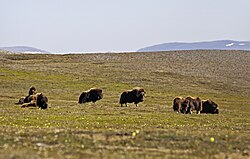
Biodiversity in the Arctic is relatively low, featuring approximately 1,700 species of vascular plants and only 48 species of land mammals. However, the region is a vital stop for millions of migratory birds. Notable vegetation includes reindeer lichen, blueberry, crowberry, and Labrador tea. The animal population includes hardy species such as the musk ox, Arctic fox, snowy owl, and reindeer (caribou). Because of the intense cold, the region is largely devoid of poikilotherms—animals like frogs or lizards whose internal body temperature fluctuates with their environment.
While the harsh climate has historically limited human activity, the Arctic tundra is rich in natural resources, including petroleum, natural gas, and uranium. For example, the Yamalo-Nenets Autonomous Okrug in Russia is responsible for producing 90% of the country's natural gas.
Antarctic Tundra
Antarctic tundra is found in the Southern Hemisphere, primarily on the continent of Antarctica and various subantarctic islands, such as the Kerguelen Islands. Much of the Antarctic continent is covered by ice or exists as a cold desert, but certain areas, like the Antarctic Peninsula, possess rocky soil that supports life. The flora here is limited to about 300–400 species of lichens, 100 mosses, 25 liverworts, and roughly 700 species of algae. Only two species of flowering plants exist here: Antarctic hair grass and Antarctic pearlwort.
Due to its physical isolation, the Antarctic tundra lacks large mammal populations. Instead, the coastal areas are inhabited by sea mammals and seabirds, such as seals and penguins. On some subantarctic islands, humans have introduced small mammals like rabbits and cats.
Alpine Tundra
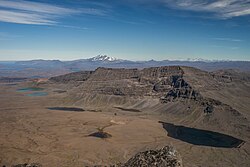
Unlike the polar tundras, alpine tundra is found at high altitudes in mountain ranges worldwide. The lack of trees in this biome is caused by low air temperatures, thin soils, and high levels of ultraviolet radiation. Alpine soils are generally better drained than those found in the Arctic. As the altitude decreases, the alpine tundra transitions into subalpine forests through an ecotone—an ecological boundary region. In this transition zone, you may find Krummholz, which are stunted, wind-blown trees.
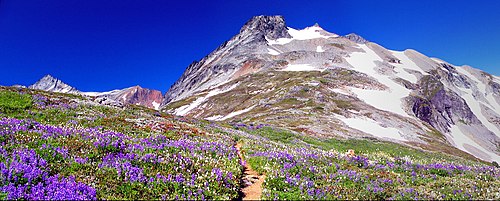
Climate and Soil Characteristics
In the Köppen climate classification system, tundra environments are designated as ET. This means that while at least one month has an average temperature high enough to melt snow (above 0 °C or 32 °F), no month has an average temperature exceeding 10 °C (50 °F). This classification covers a wide range of environments, from extremely dry regions to soggy, high-precipitation areas.
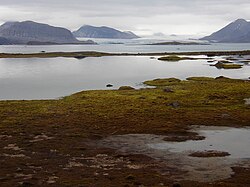
The soil of the tundra is a critical component of the global ecosystem. It is rich in nitrogen and phosphorus and contains massive amounts of organic matter. This biomass is stored as methane and carbon dioxide within the permafrost, making the tundra a significant carbon sink—a natural reservoir that absorbs and stores carbon from the atmosphere.
The Threat of Climate Change
Climate change poses a severe threat to the tundra by causing permafrost to thaw. As the ground warms, the permafrost carbon cycle accelerates, releasing stored greenhouse gases into the atmosphere. This creates a positive feedback loop: the released gases contribute to further global warming, which in turn causes more thawing. The IPCC Sixth Assessment Report suggests that permafrost thaw could release between 14 and 175 billion tonnes of carbon dioxide equivalent for every 1 °C of warming.
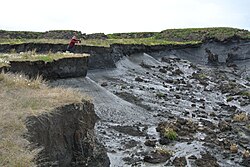
Beyond the atmospheric impact, thawing permafrost threatens human infrastructure, such as roads and pipelines, by causing the ground to become unstable. Additionally, the accumulation of dead vegetation and peat increases the risk of wildfires, as seen in the 2007 fires in Alaska's Brooks Range.
| Tundra Type | Primary Location | Key Characteristics |
|---|---|---|
| Arctic | Northern Hemisphere (Russia, Canada, Alaska) | Permafrost subsoil, polar desert, low biodiversity. |
| Antarctic | Antarctica and subantarctic islands | High isolation, mostly ice/rock, limited flowering plants. |
| Alpine | High-altitude mountains worldwide | Well-drained soil, high UV radiation, Krummholz trees. |
Key Facts
- The tundra is divided into three main types: Arctic, Antarctic, and Alpine.
- The tree line (or timberline) is the ecological boundary where tree growth stops.
- Arctic tundra is often a polar desert, receiving very little annual precipitation.
- Tundra soil acts as a carbon sink, storing large amounts of methane and carbon dioxide.
- The Köppen climate classification for tundra is ET.
- Permafrost is the permanently frozen subsoil characteristic of many tundra regions.
Frequently Asked Questions
What is the difference between the tree line and the tundra?
The tree line is the specific ecological boundary or ecotone where the climate becomes too harsh for trees to grow. The tundra is the entire biome that exists beyond this line.
Why is the Arctic tundra considered a desert?
It is considered a polar desert because it receives very low annual precipitation, typically between 150 and 250 mm, which is characteristic of desert environments.
What is Krummholz?
Krummholz refers to the stunted, deformed trees that grow in the forest-tundra ecotone, where harsh winds and cold temperatures prevent them from growing to full height.
How does permafrost thaw affect the global climate?
When permafrost thaws, it releases stored greenhouse gases like methane and carbon dioxide into the atmosphere. This contributes to global warming, which then causes even more permafrost to thaw, creating a feedback cycle.
Do all tundras have permafrost?
While permafrost is a defining feature of the Arctic tundra, alpine tundra is defined by high altitude and generally has better-drained soils, and Antarctic tundra is characterized by extreme cold and ice fields.