White Latin Americans: Demographics, History, and Genetic Admixture
White Latin Americans comprise a significant portion of the population across the Americas, representing individuals of primarily European descent living in or native to Latin American countries. With a total population estimated between 220.6 and 250 million people, they account for approximately 40% of the total Latin American population. This demographic is a result of centuries of migration, colonization, and complex social integration.
The identity of being "white" in Latin America is often a blend of ancestral heritage and self-identification, influenced by historical social structures and varying degrees of genetic admixture.
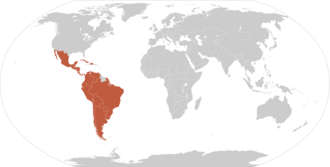
Key Facts
- Total Population: Estimated between 220.6 and 250 million.
- Largest Populations: Brazil (88M) and Argentina (38M) have some of the highest numbers of people of European descent.
- Primary Religions: Predominantly Christianity, specifically Roman Catholicism, with minority Protestant and Jewish populations.
- Genetic Diversity: European DNA averages vary wildly by country, from 77% in Uruguay to 11% in Haiti.
- Core Ancestry: While primarily Spanish and Portuguese, significant contributions come from Italian, German, and French immigrants.
Demographic Distribution
The distribution of European-descended populations is uneven across the region, with higher concentrations in the Southern Cone and certain Caribbean islands.
Major Population Centers
Brazil holds the largest number of white residents at 88 million. In South America, Argentina (38M) and Uruguay (2.9M) show high percentages of European ancestry. In North and Central America, Mexico has a significant but uncertain population ranging from 20 to 40 million. Other notable populations exist in Colombia (19–25M) and Venezuela (13M).
Regional Population Summary
| Country | Estimated Population (Millions) | Self-Identified % (Approx.) |
|---|---|---|
| Brazil | 88 | 43.5% |
| Argentina | 38 | 54%–85% |
| Mexico | 20–40 | Variable |
| Colombia | 19–25 | 30%–37% |
| Venezuela | 13 | 16.6%–43.6% |
| Chile | 10 | 30%–52.7% |
| Cuba | 7.1 | 64.1% |
| Uruguay | 2.9 | 85.2%–88% |
Historical Growth and Admixture
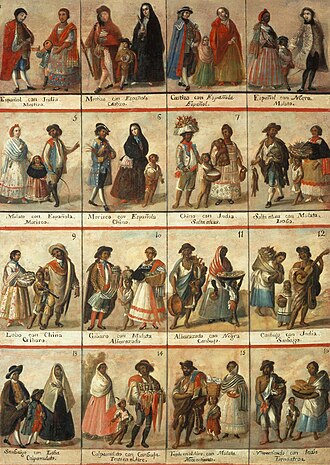
The demographic landscape of Latin America has shifted dramatically since the colonial era. In 1650, the white population represented only 1.1% of the total, while Amerindians made up 93.2%. By 1950, the white population had grown to 44.8% of the total demographic, reflecting waves of European immigration.

Genetic Admixture and DNA
Admixture refers to the genetic mixing of previously isolated populations. In Latin America, this typically involves European, Amerindian (Indigenous), and African ancestries. Genetic studies reveal a wide spectrum of European DNA averages:
- High European DNA: Uruguay (77%), Argentina (71%), and Cuba (71%).
- Moderate European DNA: Brazil (62%), Colombia (62%), and Costa Rica (61%).
- Lower European DNA: Mexico (32%), Peru (29%), and Haiti (11%).
In Argentina, genetic studies show varying results by region. The Central Zone averages 81% European ancestry, while the Northwest Zone is approximately 55% European and 35% Amerindian.

Cultural and Ethnic Influence
Beyond the Spanish and Portuguese colonizers, other European groups have left a lasting mark on the region's demographics and culture.
Italian and German Influence
Italian immigration was particularly strong in Argentina and Brazil, influencing urban development and social structures. German immigrants established communities in countries like Costa Rica and Puerto Rico.



Regional Dress and Identity
Historical identity was often signaled through dress. In colonial Lima, upper-class white women wore the Tapada limeña, while in Mexico, the mantilla was a common garment for white women.


Frequently Asked Questions
What is the total population of White Latin Americans?
The total population is estimated to be between 220.6 and 250 million people, which is roughly 40% of the total population of Latin America.
Which Latin American country has the highest percentage of European DNA?
Based on the provided data, Uruguay has one of the highest European DNA averages at 77%.
How has the white population changed since the 17th century?
The population grew from a small minority of 1.1% in 1650 to a peak of 44.8% by 1950, driven by colonization and subsequent waves of European immigration.
What are the primary European ethnic groups in Latin America?
While Spaniards and Portuguese are the foundational groups, there are significant populations of Italian, German, and French descent.
How does self-identification differ from genetic DNA?
Self-identification is based on perceived ethnicity or skin color, whereas genetic studies measure actual DNA percentages. For example, some individuals may self-identify as white while possessing significant Amerindian or African genetic markers.
![Italian school children in Campinas.[211]](/images/e9/78/e9784d98fbf6f704f5a40dcf579b1082b6927c31054ba2ee9ed2f591ea32c197.jpg)