Afro-Latin Americans: History, Population, and Cultural Legacy
The Afro-Latin American population represents a vital and diverse thread in the cultural fabric of the Western Hemisphere. Comprising millions of individuals across North, Central, and South America, as well as the Caribbean, this group shares a complex history rooted in the African diaspora. From the vibrant streets of Salvador, Bahia, to the highlands of Mexico and the shores of Haiti, Afro-descendants have profoundly shaped the languages, religions, and social structures of the regions they inhabit.
The total estimated population of Afro-Latin Americans stands at approximately 48,340,000, though this number varies depending on whether census data focuses on self-identification or estimated ancestry.
Key Facts
- Total Population: Approximately 48.3 million people.
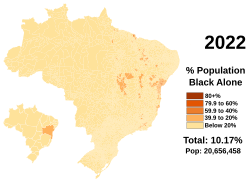
- Largest Populations: Brazil (over 20 million) and Haiti (nearly 11 million) hold the highest concentrations.
- Linguistic Diversity: Primary languages include Spanish, Portuguese, French, English, and various creoles.
- Religious Influence: Predominantly Christian (Roman Catholicism and Protestantism), alongside various Afro-American religions.
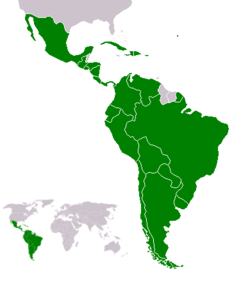
- Global Reach: Significant populations exist in every Latin American country, from Mexico in the north to Argentina and Chile in the south.
Demographic Distribution Across the Americas
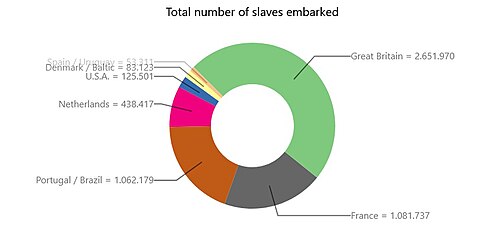
The distribution of people of African descent is uneven across the region, reflecting the historical patterns of the transatlantic slave trade and subsequent migrations.
South America
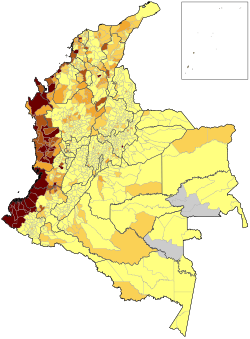
Brazil possesses the largest Afro-descendant population in the region, with over 20 million people. In Colombia, the population is estimated at nearly 5 million. Other significant populations are found in Venezuela, Ecuador, and Peru, where some sources estimate Afro-Peruvians make up roughly 9% of the population (approximately 2.85 million).
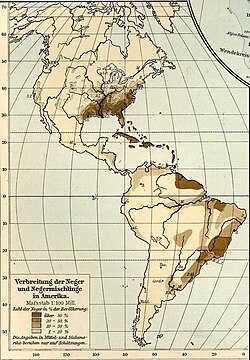
In the Southern Cone, populations are smaller but culturally significant. Uruguay has approximately 255,000 Afro-Uruguayans, while Argentina reports around 149,000. Even in countries like Bolivia and Paraguay, Afro-descendant communities maintain a distinct presence.
Central America and Mexico
In Central America, Panama has one of the most significant populations with over 1.2 million people. Nicaragua and Honduras also have notable communities; in Honduras, estimates vary widely from 100,000 to 320,000 people. In Mexico, the 2020 INEGI census indicates that the Afro-Mexican population constitutes between 2.4% and 3% of the national total.
The Caribbean
The Caribbean is a primary hub of the African diaspora. Haiti has a massive Afro-descendant population of nearly 11 million. In the Dominican Republic, estimates vary; some sources suggest 11% are Black, while others estimate that up to 90% of the population is Black or Mulatto (a person of mixed European and African ancestry).
Cultural and Social Contributions
Afro-Latin Americans have excelled in every field of human endeavor, from politics and literature to sports and the arts. Their influence is particularly visible in music, dance, and athletics.
Notable Figures
- Sports: The legendary Pelé and Ronaldinho from Brazil, and David Suazo from Honduras.
- Arts and Music: Celia Cruz (Cuba), Gilberto Gil (Brazil), and Susana Baca (Peru).
- Literature and Thought: Machado de Assis (Brazil) and Anténor Firmin (Haiti).
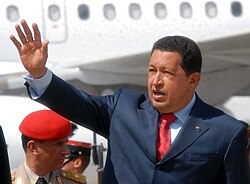
- Politics: Hugo Chávez, the first afrodescendiente (person of African descent) to serve as head of state in Venezuela.
Community structures such as the Quilombolas in Brazil—descendants of escaped slaves who formed autonomous settlements—continue to preserve ancestral traditions and fight for land rights today.
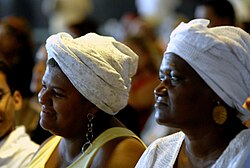
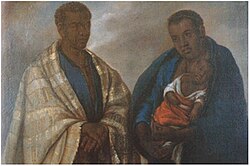
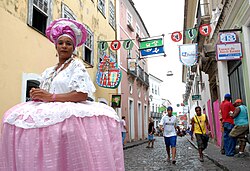
Traditional attire, such as the dress worn by women in Bahia, Brazil, serves as a visual testament to the enduring connection between Latin American cultures and their African roots.
Regional Population Summary
The following table provides a snapshot of the estimated Afro-descendant populations across key regions and countries.
| Country | Estimated Population | Regional Context |
|---|---|---|
| Brazil | 20,656,458 | South America |
| Haiti | 10,896,000 | Caribbean |
| Colombia | 4,944,400 | South America |
| Mexico | 2,576,213 | North America |
| Dominican Republic | 1,704,000 | Caribbean |
| Panama | 1,258,915 | Central America |
| United States | 1,163,862 | North America |
| Cuba | 1,034,044 | Caribbean |
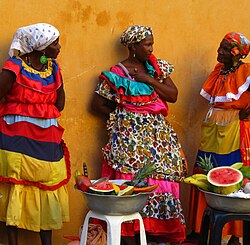
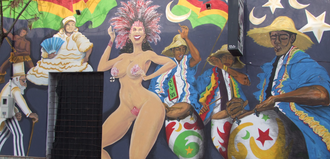
Beyond the numbers, the presence of Afro-Latin Americans is felt in the daily life of cities like Cartagena, where Palenquera women maintain traditional fruit-selling customs, and in the street art of Uruguay.


Frequently Asked Questions
Which Latin American country has the largest Afro-descendant population?
Brazil has the largest population of Afro-Latin Americans, with an estimated 20,656,458 people.
What are some of the primary languages spoken by Afro-Latin Americans?
The most common languages are Spanish and Portuguese, but French, English, and various creoles (such as Antillean Creole French) are also widely spoken.
Who was the first Afro-descendant head of state in South America?
The late President Hugo Chávez was the first afrodescendiente to serve as the head of state of Venezuela.
How is the Afro-Mexican population measured?
According to the 2020 INEGI census, the Afro-Mexican population is estimated to be between 2.4% and 3% of the total population of Mexico.
What is the significance of the Quilombolas in Brazil?
Quilombolas are descendants of enslaved Africans who escaped and established their own free communities, known as quilombos, preserving unique cultural and social traditions.