Congo Square: The Cultural Cradle of New Orleans Jazz
Located in the heart of the Tremé neighborhood in New Orleans, Louisiana, Congo Square stands as a powerful symbol of resilience and artistic fusion. Now a central part of Louis Armstrong Park, this 2.7-acre open space served as a vital sanctuary where enslaved Africans preserved their cultural heritage, ultimately shaping the trajectory of African American music and the birth of jazz.
The square derives its name from the Bakongo people, whose significant presence in the region deeply influenced the rhythms and traditions that define the site's legacy.
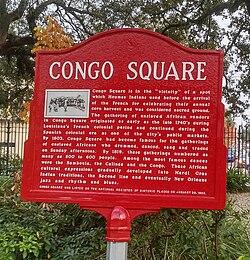
Key Facts
- Location: Junction of Rampart and St. Peter Streets, New Orleans, Louisiana.
- Status: Listed on the U.S. National Register of Historic Places since January 28, 1993.
- Cultural Impact: Widely regarded as a genesis point for jazz and other indigenous American art forms.
- Size: Approximately 2.7 acres (1.1 hectares).
- Key Traditions: Home to the Bamboula, Calinda, and various West African drumming and dance styles.
The Colonial Era and the Right to Gather
During the 18th-century French and Spanish colonial periods, the Code Noir (Black Code) of 1724 granted enslaved Africans Sundays off from labor. While this provided a reprieve from work, it did not legally grant the right to congregate. Consequently, enslaved people gathered in secret or remote areas, such as levees and backyards, to maintain their social and cultural bonds.
By 1817, a city ordinance restricted these gatherings to a single location: Congo Square. Known variously as "Place des Nègres," "Place Publique," or "Circus Square," this area across Rampart Street became a bustling hub. Here, the enslaved established markets to sell goods and raise money to purchase their freedom, while simultaneously engaging in the singing, dancing, and drumming that would define the square's identity.
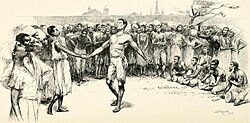
A Melting Pot of Sound and Rhythm
Following the Louisiana Purchase, Congo Square became a point of fascination for visitors from the Protestant United States, where African music was largely suppressed. Observers described the thunderous beat of bamboulas (drums) and the wail of banzas (early banjo-like instruments).
The square hosted a diverse array of dances, including the Bamboula, Calinda, Congo, Carabine, and Juba. These rhythms were not merely entertainment; they were preserved tribal expressions. Musicians utilized a wide range of instruments, from gourds and reed "quills" (pan flutes) to marimbas and European violins and tambourines. Over time, the integration of English-speaking African songs, such as "Old Virginia Never Tire," blended African and European styles to forge a unique African American culture.
Musical Legacy and Influence
The sounds of Congo Square echoed far beyond the park's borders. Creole composer Louis Moreau Gottschalk integrated these rhythms into classical works, most notably his Bamboula, Op. 2. Today, the ancestral rhythms of the square persist in New Orleans' iconic jazz funerals, second line parades, and Mardi Gras Indians celebrations.
Spiritual Expression: Voodoo and Hoodoo
Congo Square was more than a musical venue; it was a space for spiritual survival. The relative freedom of Sundays allowed for the practice of Voodoo, an ancient religion brought by West Africans. While secretive, ritualistic Voodoo occurred elsewhere, the ceremonies in Congo Square were often celebratory and public, serving as a showcase of African culture.
The most famous practitioner associated with the square was Marie Laveau, the powerful Voodoo queen who led dances in the square during the 1830s. Additionally, the square was a site for Hoodoo practices. Folklorist Newbell Niles Puckett documented the pouring of libations at the square's four corners during dark moons and the performance of the ring shout—a sacred dance used to invoke ancestral spirits for healing and assistance.
From Suppression to Restoration
As the United States transitioned toward harsher slavery practices, the Sunday gatherings declined, largely disappearing before the end of the American Civil War. In the late 19th century, the square evolved into a venue for brass band concerts performed by the "Creole of color" community.
In 1893, in an attempt to suppress mass gatherings, city leaders renamed the site "Beauregard Square" after Confederate General P.G.T. Beauregard. However, the local community continued to call it Congo Square. After years of advocacy by historian Freddi Williams Evans and Councilwoman Kristin Gisleson Palmer, the New Orleans City Council officially restored the name Congo Square in 2011.
Modern Era and Urban Renewal
The 20th century brought significant changes. The construction of the New Orleans Municipal Auditorium in the 1920s and a controversial urban renewal project in the 1960s displaced much of the surrounding Tremé community. Eventually, the land was transformed into Louis Armstrong Park, which preserves the original site of Congo Square.
| Era/Aspect | Key Characteristics | Cultural Impact |
|---|---|---|
| Colonial Period | Sunday gatherings, markets, and drumming | Preservation of West African traditions |
| 19th Century | Voodoo ceremonies and tribal dances | Fusion of African and European musical styles |
| Late 1800s | Brass band concerts | Evolution toward early jazz forms |
| Modern Day | Drum circles, festivals, and protests | Continued celebration of New Orleans heritage |
Congo Square Today
The spirit of the square lives on through the Congo Square Preservation Society, founded by percussionist Luther Gray. Every Sunday, the society hosts drum circles and musical performances to honor the site's history. The square also serves as a focal point for civic life, hosting the start of the Martin Luther King Day march and the charitable Red Dress Run.
Its influence continues to inspire contemporary artists. From the symphonic poems of Henry F. Gilbert to the 2023 "Congo Square Suite" by Donald Harrison and the big band arrangements of Wynton Marsalis, the square remains a primary source of inspiration for musicians worldwide.
Frequently Asked Questions
Why is Congo Square important to the history of jazz?
Congo Square provided a rare space where enslaved Africans could maintain their musical traditions. The blending of African rhythms with European instruments and melodies in the square created the foundational cultural mix that led to the development of jazz.
What is the difference between the Voodoo practiced in Congo Square and traditional Voodoo?
While traditional Voodoo rituals were often secretive and focused on religious rites, the Voodoo expressed in Congo Square was predominantly a form of public entertainment and a celebration of African cultural identity.
Who was Marie Laveau?
Marie Laveau was the first and most powerful Voodoo queen in New Orleans. She led Voodoo dances in Congo Square during the 1830s and performed more covert rituals along Lake Pontchartrain and St. John's Bayou.
Why was the square renamed Beauregard Square?
In 1893, city leaders renamed the square after Confederate General P.G.T. Beauregard as part of an effort to suppress the mass gatherings of people that traditionally took place there.
What is the "ring shout" mentioned in the history of the square?
The ring shout is a sacred dance associated with Hoodoo practices. It was performed by the enslaved and free black community to invoke ancestral spirits for healing and assistance.