Vukovar: A Journey Through History, Culture, and Resilience
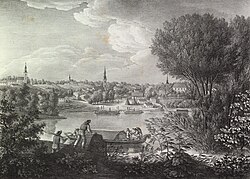
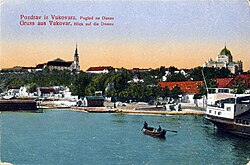
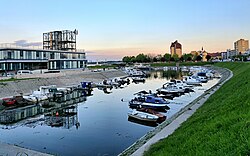
Situated at the confluence of the Vuka and Danube rivers, Vukovar is a city of profound historical depth and enduring strength. Located in the eastern Croatian regions of Syrmia and Slavonia, it serves as the seat of the Vukovar-Syrmia County and hosts Croatia's largest river port. Known as Grad Heroj (Hero City), Vukovar is a place where ancient prehistoric roots meet the complex narratives of modern European conflict and recovery.
From its beginnings as a hub for early Indo-European civilizations to its role as an industrial powerhouse in the 20th century, the city has weathered numerous transitions. Today, it stands as a testament to resilience, blending its rich archaeological heritage with a commitment to remembrance and sustainable tourism.
Key Facts
- Location: Eastern Croatia, at the confluence of the Vuka and Danube rivers.
- Status: Seat of the Vukovar-Syrmia County.
- Population: 23,536 (2021 census).
- Major Industry: Historically dominated by the Borovo footwear manufacturer.
- Cultural Highlight: Home to the award-winning Vučedol Culture Museum.
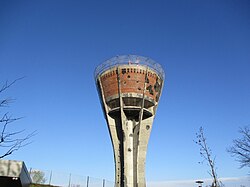
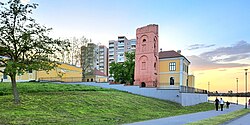
- Symbolism: The Vukovar water tower serves as a primary symbol of the Croatian War of Independence.
Ancient Roots and Early History
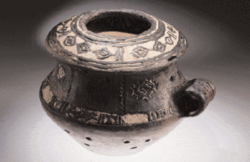
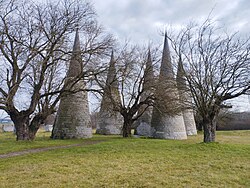
The archaeological record reveals that human activity in the Vukovar area dates back millennia. One of the most significant finds is the Vučedol culture, one of the earliest Indo-European cultures, characterized by sophisticated pottery with geometric incisions and zoomorphic shapes. The Vučedol Culture Museum and Archaeological Site was recognized in 2022 as a European "Destination of Sustainable Cultural Tourism."
![The Vučedol Culture Museum and Archaeological Site bears testimony to one of the earliest Indo-European cultures. In 2022 museum was the winner of the prestigious European "Destination of Sustainable Cultural Tourism" award.[94]](/images/c1/34/c13474529471262010a303fe733e691cb4c44ac92e9f0aaebb8566f6fafb3447.jpg)
By the 6th century, Slavic tribes had settled in the region. The area's strategic location led to a shifting tapestry of control: it was part of the Slavic Principality of Lower Pannonia and the Bulgarian Empire in the 9th century, and later the Kingdom of Croatia (11th–12th century) and the Kingdom of Hungary (13th–16th century). Between 1526 and 1687, the region fell under Ottoman rule before returning to the Habsburg Monarchy following the Treaty of Karlowitz in 1699.
Industrial Growth and the 20th Century
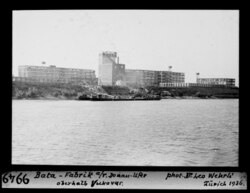
Under the Habsburgs and later within the Kingdom of Yugoslavia, Vukovar evolved into an industrial center. The early 1900s saw the rise of spinning mills, but the city's economic identity was truly forged in 1931 with the establishment of the Bata shoe factory. Later renamed Borovo, this enterprise transformed the city, leading to the creation of "Bata-ville" (now Borovo Naselje), a planned urban settlement featuring dedicated factories and housing.
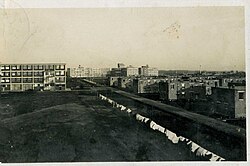
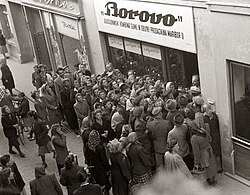
The Borovo factory became a global name, particularly with the 1976 launch of the Startas brand, which utilized innovative rubber vulcanization techniques and was originally designed for table tennis players. At its peak, the company employed 24,000 people, making Vukovar a vital economic hub in the SFR Yugoslavia era.

The Croatian War of Independence
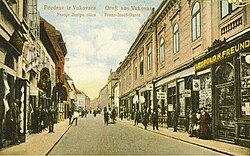
The late 20th century brought a period of intense conflict. In early 1991, tensions between Serbs and Croats escalated into violence. The Battle of Borovo Selo in May 1991 marked a critical turning point, followed by a nationwide referendum on sovereignty in which 94% of Croatians voted for independence.
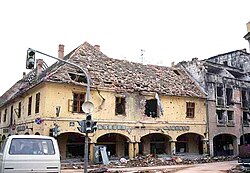
Vukovar became a focal point of the war, enduring a brutal siege and occupation under the administration of the Republic of Serbian Krajina. The city suffered immense destruction, and the subsequent massacres, such as the one at the Ovčara farm—where civilians from the "Dr Juraj Njavro" hospital were murdered—remain deep scars in the city's history.
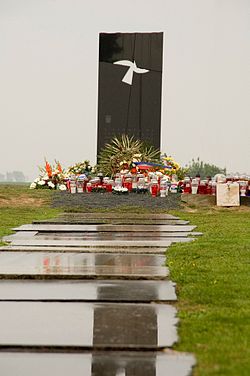
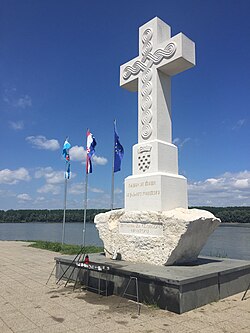
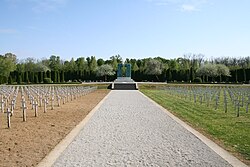
Today, the city commemorates these events through various memorials, including the Dudik Memorial Park and the Central Memorial Cross, which honors all fallen defenders of Croatian freedom.
Culture, Architecture, and Modern Life
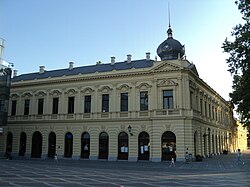
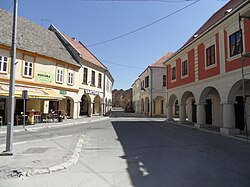
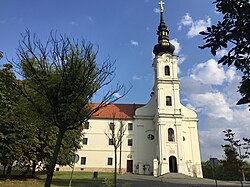
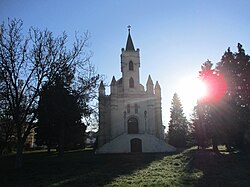
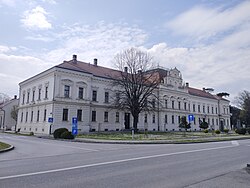
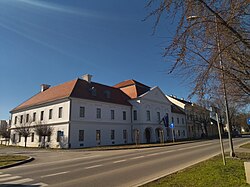
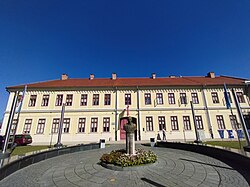
Despite the scars of war, Vukovar maintains a rich architectural and cultural landscape. The city features the Franciscan monastery with the Church of Saints Philip and James, the Neogothic Paunović Family Mausoleum, and the Palace of Syrmia County. The city also hosts the Vukovar Puppet Spring Festival, a national theatre conference founded in 1996 that brings together puppet theatres from across Croatia and abroad.
In terms of modern infrastructure, Vukovar has invested in high-quality sports facilities, including a state-of-the-art swimming pool complex opened in 2017, featuring an Olympic-sized indoor pool and comprehensive fitness facilities.
City Overview and Demographics
| Category | Detail |
|---|---|
| Administrative Seat | Vukovar-Syrmia County |
| Total Population (2021) | 23,536 |
| Urban Area | 61.6 km² |
| Elevation | 108 m |
| Key Transport Hubs | Danube River Port, Vinkovci Railway Hub |
Frequently Asked Questions

What is the significance of the Vučedol culture?
The Vučedol culture is one of the earliest Indo-European cultures, known for its advanced pottery and early societal structures. Its legacy is preserved in the award-winning Vučedol Culture Museum in Vukovar.
What was the role of the Borovo factory in the city's history?
The Borovo factory (originally Bata) was the primary economic driver of the city, employing up to 24,000 people at its peak and establishing the urban settlement of Borovo Naselje.
What does the Vukovar water tower symbolize?
The water tower is a prominent symbol of the suffering and resilience of the city during the Croatian War of Independence, specifically during the siege of 1991.
How is Vukovar connected to other regions?
Vukovar is well-connected via the Danube river port and state roads D2 and D55. It is located near the Vinkovci railway hub and the A3 motorway, facilitating travel to Bosnia and Herzegovina, Hungary, and Serbia.
What is the 'Grad Heroj' nickname?
Grad Heroj translates to "Hero City," a title given to Vukovar to honor the bravery and endurance of its defenders and citizens during the Croatian War of Independence.