Bratislava: The Vibrant Capital of Slovakia
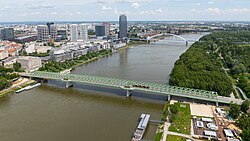
Perched on the banks of the Danube, Bratislava serves as the political, economic, and cultural heart of the Slovak Republic. Known by various nicknames such as "Beauty on the Danube" and "Coronation City," this capital blends a rich imperial history with a rapidly evolving modern skyline. From its medieval Old Town to its cutting-edge business districts, Bratislava offers a unique glimpse into the intersection of Central European heritage and contemporary urban life.
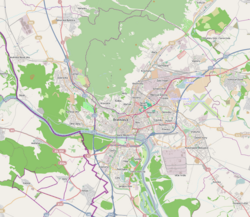
Key Facts
- Status: Capital city of the Slovak Republic since January 1, 1993.
- Population: Approximately 480,902 in the city, with a metropolitan area of 1.3 million.
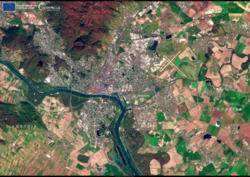
- Geography: Situated along the Danube river with elevations ranging from 124m to 514m (Devínska Kobyla).
- Governance: Managed by a Mayor-council government led by Mayor Matúš Vallo.
- Economy: A major hub featuring the National Bank of Slovakia and significant industrial presence.
History and Heritage
The roots of Bratislava extend back to the 2nd century A.D. with Gerulata, a Roman Empire military camp. The city was first mentioned in 907 as Brezalauspurc and later received its Charter as a Royal free city on December 2, 1291.
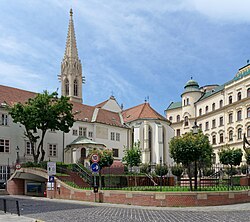
Throughout the centuries, the city has been a center of power. The Franciscan Church and Monastery, featuring a tall gothic tower, stands as the oldest building in the city, dating back to the late 13th century.
Architectural Landmarks
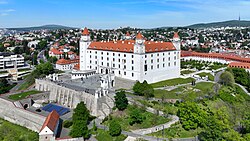
The city's skyline is dominated by the historic Bratislava Castle, a symbol of national identity. Other significant sites include the Devín Castle and the various palaces that house the state's administration.
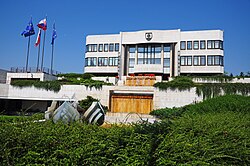
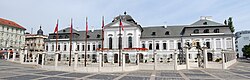
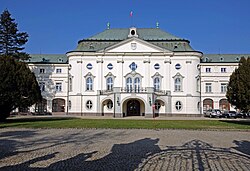
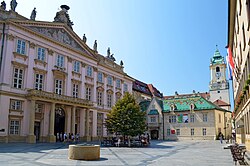
The administrative landscape is marked by several grand residences: the Grassalkovich Palace (seat of the president), the Episcopal Summer Palace (seat of the government), and the Primate's Palace (seat of the city's mayor).
Cityscape and Modern Development
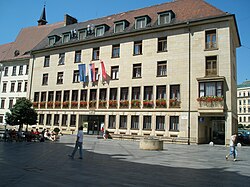
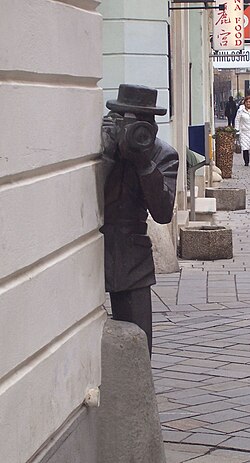
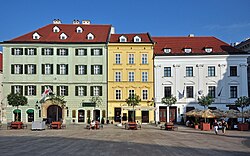
Bratislava is a city of contrasts, where cobblestone streets meet glass skyscrapers. The Old Town remains a tourist favorite, featuring the Main Square and the whimsical "Man at Work" (Čumil) statue.
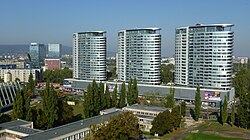
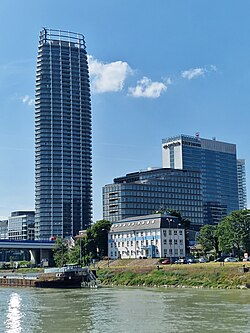
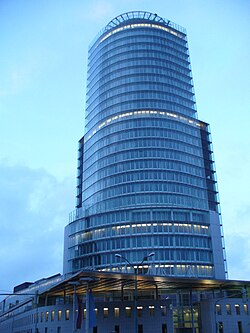
In recent years, the city has seen a surge in modern architecture. The new downtown area, comprising Sky Park, Eurovea City, and New Nivy, showcases the city's growth. The Eurovea Tower currently holds the title of the tallest building in Slovakia.
Parks, Recreation, and Sport
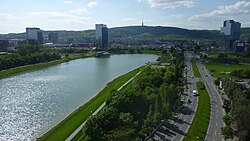
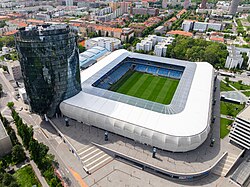
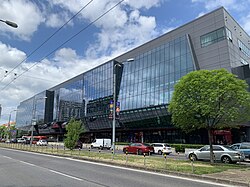
Beyond the urban center, residents enjoy natural escapes like Kuchajda lake. The city is also a hub for sports, boasting the National football stadium and the Ondrej Nepela Arena for ice hockey and mixed-use events.
Demographics and Society
Bratislava is the most populous city in Slovakia. As of 2021, the population is predominantly Slovak (86%), with significant Hungarian (3%) and Czech (1%) minorities. The city is characterized by a diverse religious landscape, with 35% identifying as Christian (primarily Catholic) and 40% identifying as irreligious.
| Category | Detail |
|---|---|
| Area (Capital City) | 367.66 km² |
| Population (City) | 480,902 |
| Population (Metro) | 1,300,000 |
| City Budget (2026) | €760.5 million |
| Time Zone | UTC+1 (CET) / UTC+2 (CEST) |
Climate
Bratislava experiences a temperate climate. The warmest month is typically July, with mean daily maximums around 28.0°C, while January is the coldest, with mean daily minimums around -2.8°C. The city receives an average annual precipitation of 574.3 mm, with the highest rainfall occurring in the summer months.
International Relations and Culture
As a diplomatic hub, Bratislava hosts 41 embassies and 22 honorary consulates. It maintains strong ties with various global cities through twinning agreements, including Brno, Kraków, Warsaw, and Cleveland.
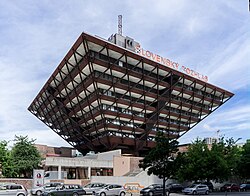
Culturally, the city is enriched by the Slovak National Theatre and the Danubiana Meulensteen Art Museum, a modern art space located along the Danube. Education is anchored by institutions such as Comenius University.
Frequently Asked Questions
What is the tallest building in Slovakia?
The Eurovea Tower, located in Bratislava, is the tallest building in the country.
When did Bratislava become the capital of the Slovak Republic?
Bratislava officially became the capital city on January 1, 1993.
What is the oldest building in Bratislava?
The Franciscan Church and Monastery, built in the late 13th century, is the oldest building in the city.
Which ethnic groups are most prominent in Bratislava?
The population is primarily composed of Slovaks (86%), followed by Hungarians (3%) and Czechs (1%).
Where is the seat of the President of Slovakia located?
The president's seat is located at the Grassalkovich Palace.