Exploring the Slovak Republic: A Journey Through History, Culture, and Nature
Nestled in the heart of Europe, the Slovak Republic (Slovensko) is a nation defined by its dramatic landscapes, a complex and resilient history, and a rich cultural tapestry. From the towering peaks of the Tatra Mountains to the bustling streets of its capital, Bratislava, Slovakia offers a unique blend of ancient heritage and modern European dynamism.
Whether you are interested in the archaeological wonders of the Bronze Age, the political shifts of the 20th century, or the breathtaking biodiversity of its national parks, Slovakia presents a compelling story of a people and a land that have endured and thrived through the ages.
Key Facts
- Capital: Bratislava
- Official Language: Slovak
- Currency: Euro (€)
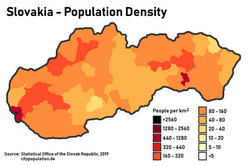
- Population: Approximately 5.4 million
- Government: Unitary parliamentary republic
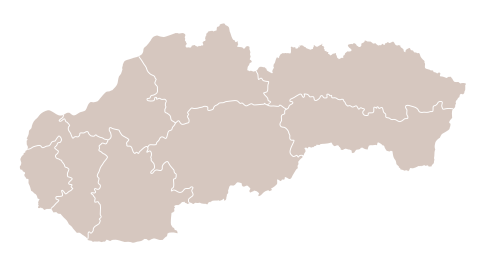
- Major Regions: Bratislava, Trnava, Nitra, Trenčín, Žilina, Banská Bystrica, Prešov, and Košice
A Deep Dive into Slovak History
Ancient Roots and Early Civilizations
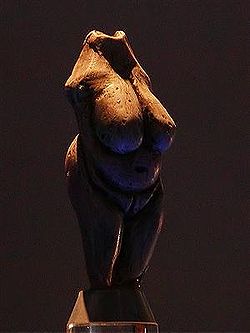
The history of the Slovak lands stretches back to prehistoric times. Archaeological finds, such as the Venus from Moravany nad Váhom dating to 22,800 BC, provide a glimpse into the earliest human presence in the region.
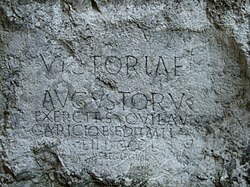
As eras progressed through the Bronze and Iron Ages, the region saw the influence of the Hallstatt and La Tène periods. During the Roman era, traces of imperial presence remain, such as inscriptions found at the castle hill of Trenčín.
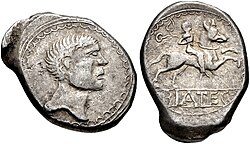
The Celtic tribes also left a significant mark; for instance, the figure Biatec, believed to be a king, has appeared on Celtic coins minted by the Boii near modern-day Bratislava.
The Middle Ages and the Rise of Great Moravia
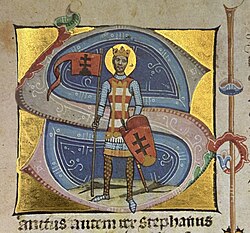
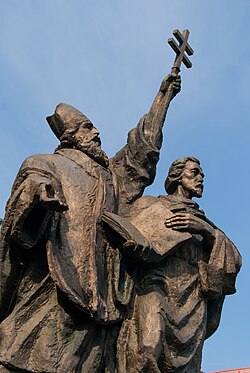
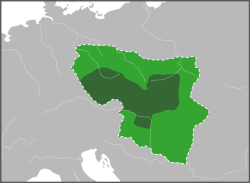
One of the most pivotal eras was the period of Great Moravia (830–907 AD), a powerful Slavic state. This era was deeply influenced by the arrival of Saint Cyril and Saint Methodius in 863, who introduced Christianity to the region.
Following the decline of Great Moravia, the territory became part of the Grand Principality of Hungary and later the Kingdom of Hungary, remaining under various influences, including the Habsburg Monarchy and the Ottoman Empire, until 1918.
The 20th Century: From Czechoslovakia to Independence
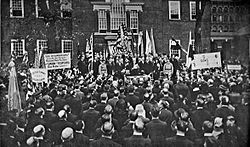
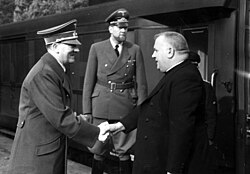
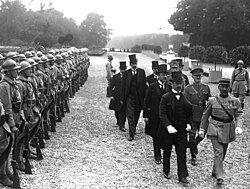
The modern political identity of Slovakia began to take shape with the independence of the First Czechoslovak Republic in 1918. However, the 20th century brought significant upheaval, including the period of the First Slovak Republic during World War II and the subsequent decades of communist rule within Czechoslovakia.
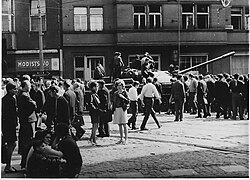
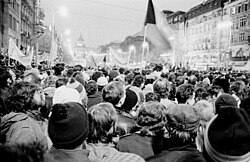
The 1968 Warsaw Pact invasion and the subsequent era of authoritarianism were eventually brought to an end by the Velvet Revolution in 1989, which paved the way for democracy. This transition eventually led to the peaceful dissolution of Czechoslovakia on January 1, 1993, marking the birth of the independent Slovak Republic.
Geography and Natural Wonders
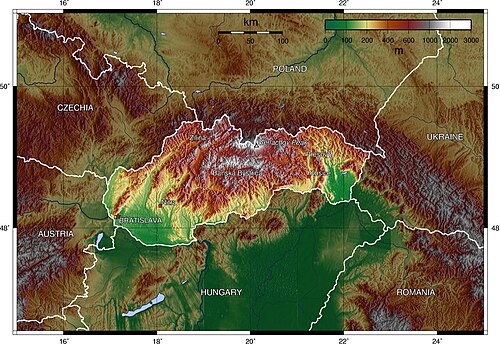
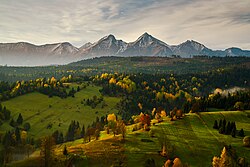
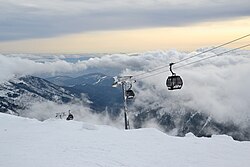
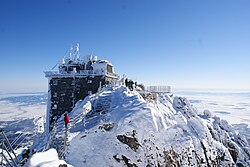
Slovakia is a land of diverse topography, dominated by the Tatra Mountains. These mountains host incredible biodiversity and provide a playground for outdoor enthusiasts.
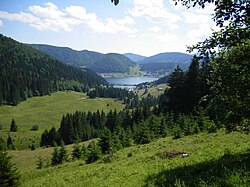
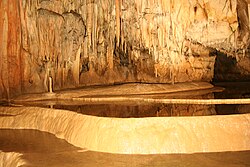
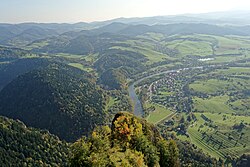
The country is also famous for its unique geological formations, including spectacular caves like Domica Cave and the scenic beauty of the Dunajec River.
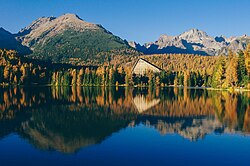
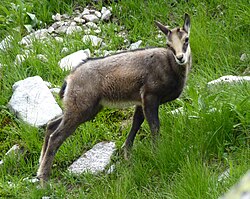
High-altitude landscapes feature the Belianske Tatras, the serene Štrbské pleso mountain lake, and the rare Rupicapra rupicapra tatrica (Tatra chamois) found in the mountains.
Modern Slovakia: Economy and Society
Urban Life and Infrastructure
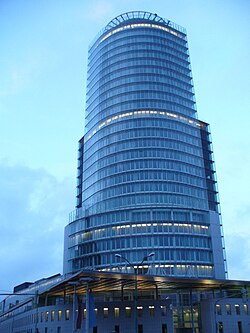
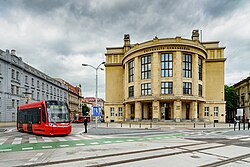
Bratislava serves as the nation's capital and largest city, acting as a central hub for politics, culture, and business. The city is characterized by its blend of historical sites and modern high-rise business districts.
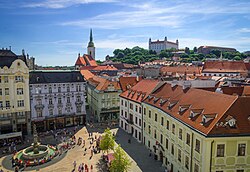
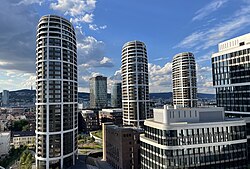
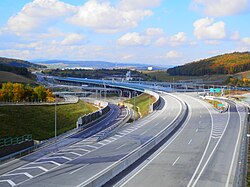
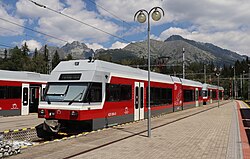
The nation's infrastructure is supported by a network of motorways, such as the D1 motorway, and a reliable railway system that connects northern towns like Vysoké Tatry to the rest of the country.
Industry and Energy
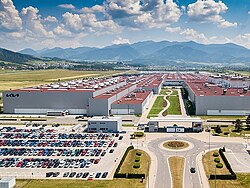
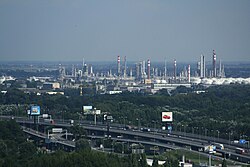
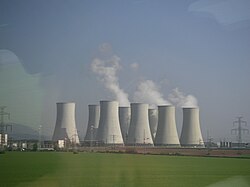
Slovakia boasts a robust industrial sector, particularly in automotive manufacturing (notably Kia in Žilina) and energy production. The country relies on significant industrial assets, including the Slovnaft oil refinery and the Jaslovské Bohunice Nuclear Power Plant, to drive its economy.
Culture, Language, and Sport
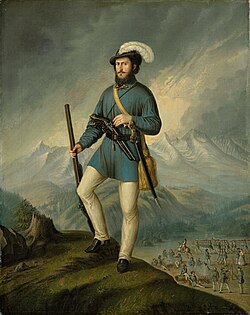
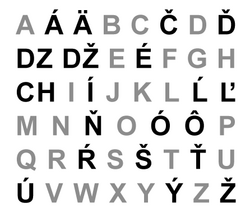
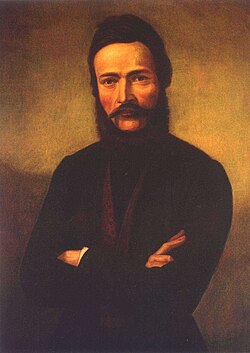
The Slovak identity is deeply rooted in its language. The Slovak alphabet consists of 46 letters, including digraphs and diacritics. The standard language was famously codified by Ľudovít Štúr.
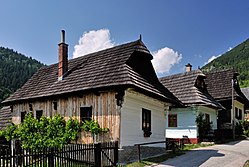
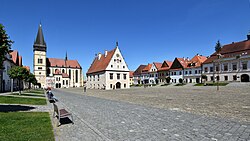
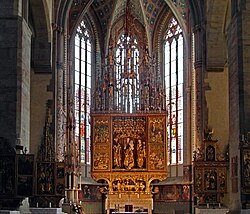
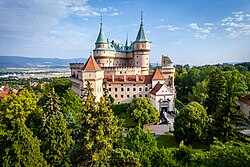
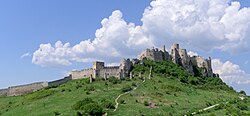
Cultural heritage is preserved in UNESCO World Heritage Sites like the village of Vlkolínec and the historic center of Bardejov. Artistic achievements are also celebrated, such as the world's tallest wooden altar in the Basilica of St. James.
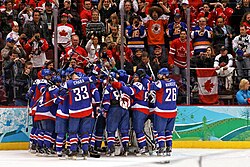
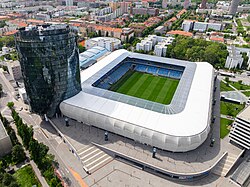
In the realm of sports, Slovakia has made its mark on the international stage, particularly in ice hockey and football.
Summary of National Profile
| Category | Details |
|---|---|
| Total Area | 49,035 km² |
| Population (2021) | 5,449,270 |
| GDP (Nominal, 2026 est.) | $167.730 billion |
| HDI (2023) | 0.880 (Very High) |
| Main Religions | Christianity (68.8%), No religion (23.8%) |
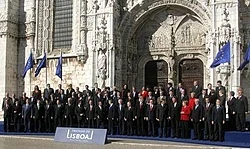
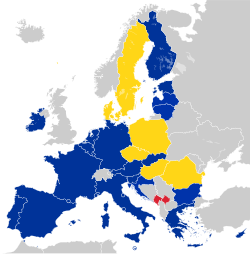
| International Memberships | EU, Schengen Area, Eurozone |
Frequently Asked Questions
What is the capital of Slovakia?
The capital and largest city of Slovakia is Bratislava.
What are the main ethnic groups in Slovakia?
According to 2021 data, the majority of the population is Slovak (88.6%), followed by Hungarians (8.2%) and Romani (1.3%).
What is the official currency used in Slovakia?
Slovakia uses the Euro (€) and has been a member of the eurozone since 2009.
Which mountains are most famous in Slovakia?
The Tatra Mountains are the most prominent and famous mountain range in the country.
When did Slovakia become an independent country?
Slovakia became an independent republic on January 1, 1993, following the dissolution of Czechoslovakia.