Victoria, Princess Royal: The Life of the 99-Day Empress
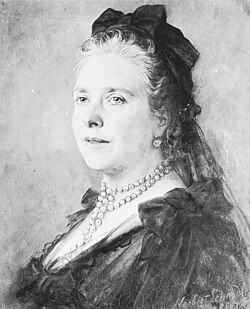
Victoria, Princess Royal—known affectionately to her family as "Vicky"—occupied a unique and often turbulent position at the intersection of two of Europe's most powerful dynasties. As the eldest child of Queen Victoria and Prince Albert, she was born into the heart of the British Empire, only to spend the majority of her life navigating the rigid and often hostile environment of the Prussian court.
Her journey from a British princess to the German Empress is a story of intellectual ambition, political struggle, and a poignant struggle for influence in a society that often viewed her English origins with suspicion.
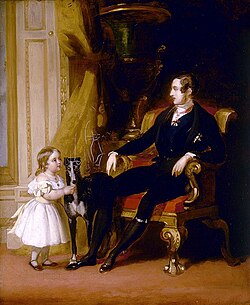
Key Facts
- Full Name: Victoria Adelaide Mary Louisa.
- Titles: Princess Royal of the United Kingdom; German Empress and Queen of Prussia.
- Tenure as Empress: 9 March 1888 – 15 June 1888 (99 days).
- Parents: Queen Victoria and Prince Albert of Saxe-Coburg and Gotha.
- Spouse: Frederick III, German Emperor.
- Notable Issue: Wilhelm II, the last German Emperor.
- Final Residence: Schloss Friedrichshof, Cronberg, Germany.
Early Life and Royal Education
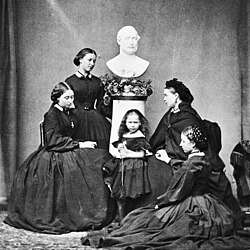
Born at Buckingham Palace on 21 November 1840, Victoria was the first child of Queen Victoria and Prince Albert. For nearly a year, she served as the heir presumptive—the person most likely to inherit the throne in the absence of a male heir—until the birth of her brother, the future Edward VII, in November 1841. On 19 January 1841, she was officially created Princess Royal.
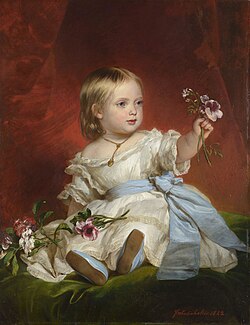
Her upbringing was heavily influenced by her father's belief in a modern, liberal education. This intellectual foundation would later clash with the conservative traditions of the Prussian nobility.
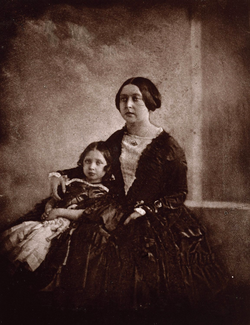
Marriage to Frederick III
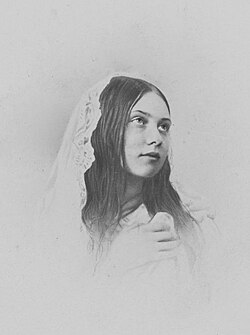
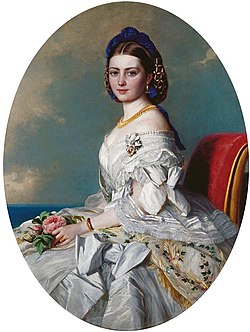
Victoria's union with Prince Frederick William of Prussia was a strategic match intended to strengthen ties between Britain and Prussia. Despite initial concerns from Queen Victoria regarding her daughter's appearance, Frederick was smitten. After a visit in 1851 and a subsequent meeting when Victoria was 14, Frederick requested permission to marry her.
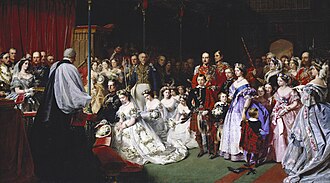
The engagement was announced on 17 May 1856, but it was met with public disapproval in Great Britain due to Prussia's neutrality during the Crimean War. Despite the political friction, the couple married after Victoria turned 17.
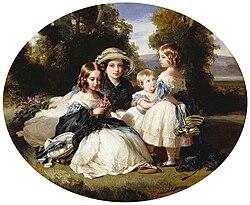
Life as Crown Princess of Prussia
Transitioning to life in Berlin was challenging. Victoria faced significant criticism from the Prussian court and the public, who viewed her as too English and too liberal. She often relied on her own financial resources, as the allowances provided by the British Parliament and the Prussian King were frequently insufficient for their station.
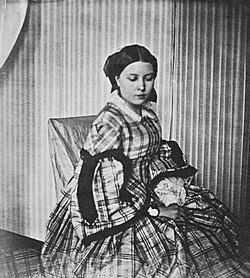
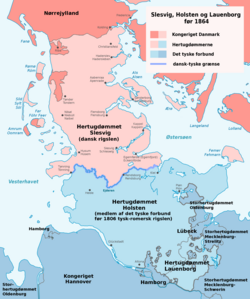
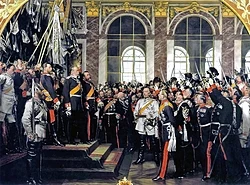
As the Crown Princess, Victoria witnessed the rise of the German Empire through a series of conflicts. Her husband, Frederick, played active roles in the Prussian-Danish War, the Austro-Prussian War, and the Franco-Prussian War. While Frederick achieved military success, the couple's liberal leanings made them targets for Otto von Bismarck, the powerful Chancellor who accused them of being francophile (excessively fond of French culture and politics).
The 99-Day Empire
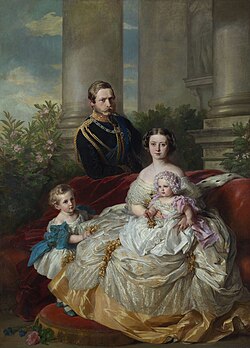
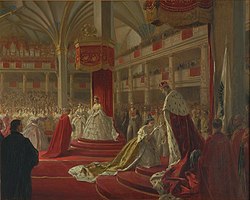
The culmination of Victoria's political aspirations arrived in March 1888, when her husband ascended the throne as Emperor Frederick III. However, the reign was tragically short. Frederick suffered from laryngeal cancer and died on 15 June 1888, just 99 days after his accession.
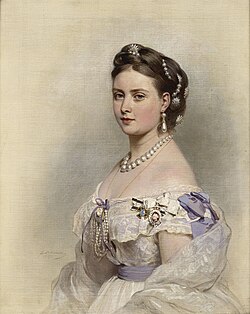
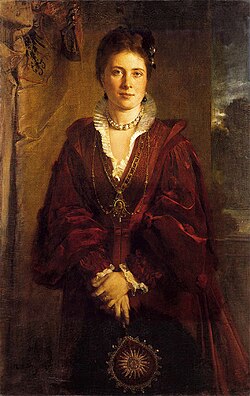
The transition of power was abrupt. Their son, Wilhelm II, succeeded his father but held far more conservative views than his parents. Upon Frederick's death, Wilhelm II ordered a search of his parents' chambers for incriminating documents, though most of their correspondence had already been safely moved to Windsor Castle.
Later Years and Legacy
Following her husband's death, the dowager empress—now known as Empress Frederick—withdrew to Kronberg im Taunus. There, she built Schloss Friedrichshof as a memorial to her late husband.
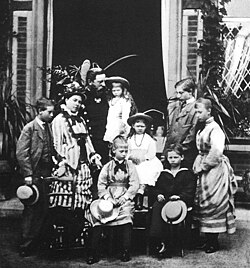
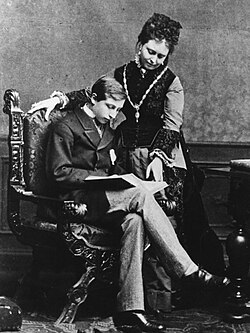
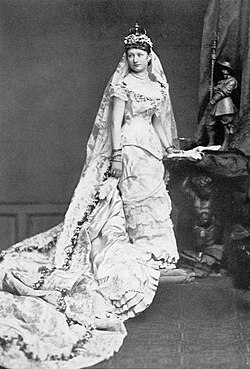
Her final years were marked by increasing isolation as her daughters married and moved away. In 1898, she was diagnosed with inoperable breast cancer. Fearing that her private letters regarding Germany's future under Wilhelm II would be discovered, she arranged for them to be smuggled back to Great Britain in 1901.
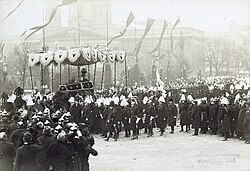
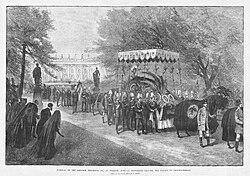
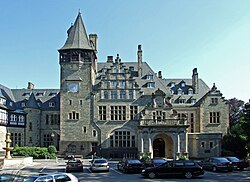
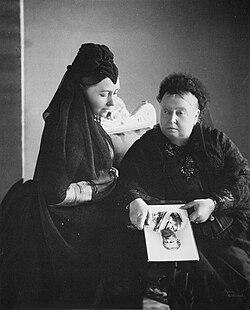
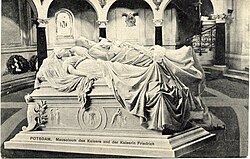
Empress Frederick died on 5 August 1901, less than seven months after the death of her mother, Queen Victoria. She was buried in the Friedenskirche in Potsdam.
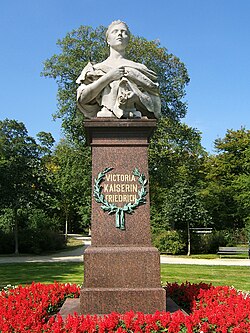
Summary of Royal Lineage and Tenure
| Category | Details |
|---|---|
| House | Saxe-Coburg and Gotha |
| Spouse | Frederick III (German Emperor) |
| Imperial Tenure | March 9, 1888 – June 15, 1888 |
| Children | 8 (including Wilhelm II and Sophia, Queen of the Hellenes) |
| Cause of Death | Breast Cancer |
Frequently Asked Questions
Why was she called the "Empress of 99 days"?
She earned this title because her husband, Emperor Frederick III, died of laryngeal cancer only 99 days after he ascended the throne in 1888.
What was her relationship with her son, Wilhelm II?
Their relationship was strained due to conflicting political views. While Victoria and Frederick III were liberals, Wilhelm II was deeply conservative, leading to a rift that persisted until her death.
What happened to her private correspondence?
To prevent her son from finding letters that criticized his leadership, Victoria had her correspondence smuggled to Great Britain by Frederick Ponsonby shortly before her death.
Where did she live after her husband's death?
She settled in Kronberg im Taunus, where she constructed a castle named Friedrichshof in honor of her late husband.
How did the British public react to her marriage?
The engagement was initially met with disapproval in Great Britain because of Prussia's neutrality during the Crimean War and the political instability of the Prussian monarchy at the time.