Frederick III: The Liberal Emperor of Germany's Year of Three Emperors
Frederick III, born Prince Frederick William of Prussia, remains one of the most poignant figures in German imperial history. His reign was the shortest of any German Emperor, lasting only 99 days from March 9 to June 15, 1888. This brief period occurred during the Year of the Three Emperors, a tumultuous time of succession that saw three different men hold the throne in a single calendar year.
Known informally as "Fritz," Frederick was the only son of Emperor Wilhelm I and Augusta of Saxe-Weimar-Eisenach. Raised in the strict military traditions of the House of Hohenzollern, he spent much of his life as the Crown Prince, waiting for a throne that he would ultimately hold only while battling a terminal illness.
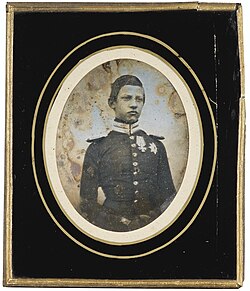
Key Facts
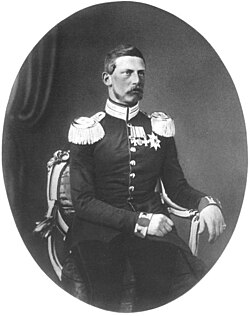
- Full Name: Friedrich Wilhelm Nikolaus Karl.
- Reign: 9 March 1888 – 15 June 1888 (99 days).
- Military Rank: Field Marshal.
- Spouse: Victoria, Princess Royal (eldest daughter of Queen Victoria).
- Cause of Death: Cancer of the larynx.
- Successor: His son, Wilhelm II.
Military Career and the Franco-Prussian War
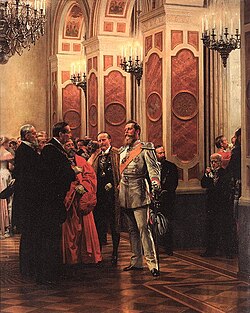
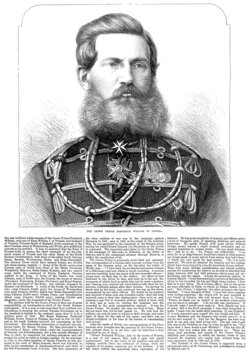
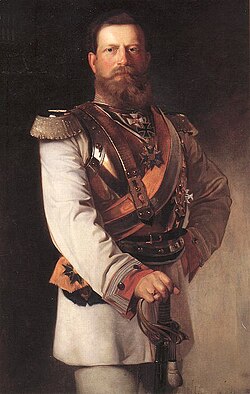
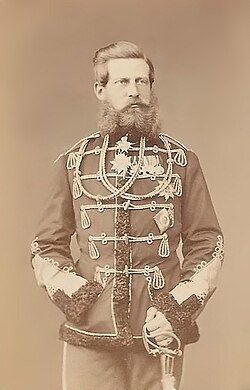
Frederick's identity was deeply rooted in military service. His most significant contribution came during the Franco-Prussian War of 1870, where he commanded the Third Army. He achieved notable victories at the battles of Wissembourg and Wörth, and played a key role at the Battle of Sedan and the siege of Paris.
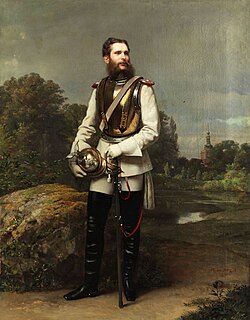
Beyond his tactical success, Frederick earned international respect for his humane treatment of French prisoners and wounded soldiers. His gentleness in the face of war was widely praised by neutral observers and journalists. He famously expressed his distaste for conflict, stating to Paris journalists, "I do not like war gentlemen. If I should reign I would never make it." For his leadership and conduct, he was awarded the Grand Cross of the Iron Cross and promoted to field marshal on October 28, 1870.
Personal Life and Family
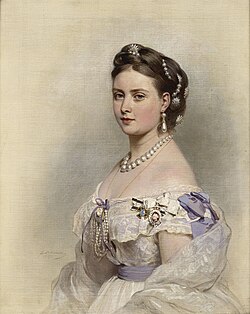
In 1858, Frederick married Victoria, Princess Royal, the eldest daughter of Queen Victoria of the United Kingdom. This union linked the Prussian monarchy with the British crown and brought a strong influence of British liberal thought into Frederick's life.
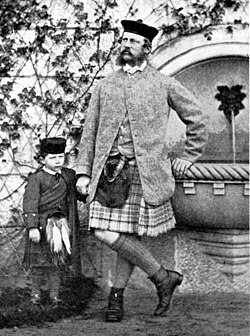
The couple had several children, including the future Emperor Wilhelm II. However, the relationship between Frederick and his son was often strained, and Frederick's official duties under his father, Wilhelm I, were frequently limited to social functions and attending balls.
The Brief Reign and Tragic End
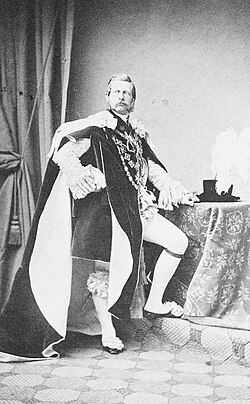
Frederick's ascension to the throne was overshadowed by a devastating diagnosis of cancer of the larynx. When his father, Wilhelm I, died on March 9, 1888, Frederick became German Emperor and King of Prussia. Many in Germany's progressive circles hoped his reign would usher in a new era of liberalism—a government based on constitutional freedom and parliamentary influence.
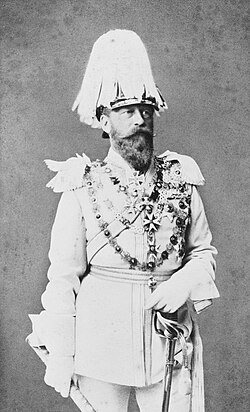
Despite his failing health, Frederick attempted to fulfill his duties. He showed deep affection for his wife, pinning the ribbon and star of the Order of the Black Eagle to her dress to honor her position as Empress. However, by April 1888, he was largely bedridden, suffering from severe coughing and high fevers. As the cancer spread to his esophagus, he became unable to eat.
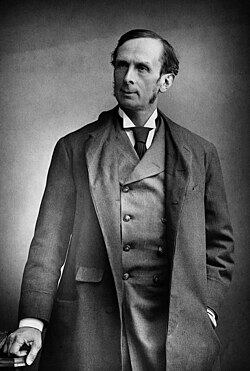
Frederick III died in Potsdam on June 15, 1888, at the age of 56. His final diary entry, dated June 11, captured his desperation and desire to serve: "What's happening to me? I must get well again; I have so much to do!"
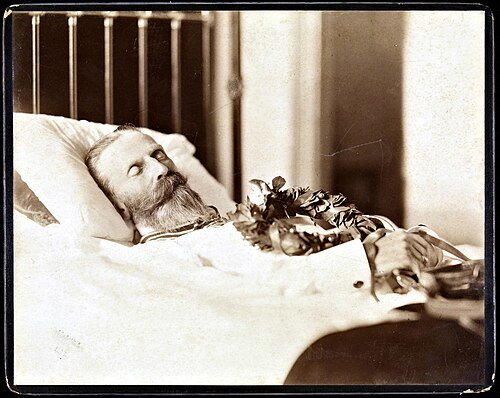
Legacy and Historical Significance
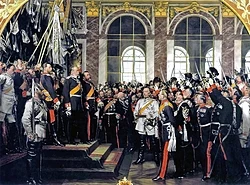
The death of Frederick III is often viewed by historians as a potential turning point in German history. William Ewart Gladstone described him as the "Barbarossa of German liberalism." Had he lived longer, it is speculated that Germany might have evolved into a more liberal constitutional monarchy, potentially altering the course of the early 20th century.
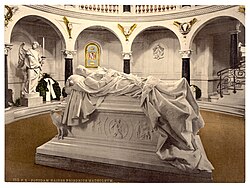
Frederick is entombed in the Kaiser-Friedrich-Mausoleum at the Friedenskirche in Potsdam.
| Category | Details |
|---|---|
| House | Hohenzollern |
| Reign Duration | 99 Days (1888) |
| Key Military Achievement | Command of the Third Army (Franco-Prussian War) |
| Political Leanings | Liberalism |
| Predecessor | Wilhelm I |
| Successor | Wilhelm II |
Frequently Asked Questions
Why is Frederick III known as the "Liberal Emperor"?
Frederick III and his wife, Victoria, were proponents of liberal governance and constitutional reform, contrasting with the more conservative and authoritarian approach of Otto von Bismarck and his father, Wilhelm I.
What was the "Year of the Three Emperors"?
It refers to the year 1888 in the German Empire, during which three different emperors held the throne: Wilhelm I, Frederick III, and Wilhelm II.
How did Frederick III's military conduct differ from others of his time?
He was noted for his exceptional humanity and kindness toward enemy soldiers and civilians during the Franco-Prussian War, earning him respect from both his allies and his foes.
What caused the death of Frederick III?
He died from cancer of the larynx, which eventually perforated his esophagus and left him unable to eat or speak effectively before his death at age 56.
Who succeeded Frederick III?
He was succeeded by his son, the 29-year-old Wilhelm II.