German Unification: The Rise of the German Empire
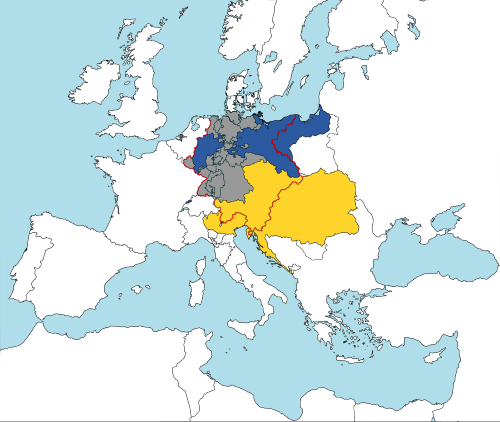
The unification of Germany was a transformative political process that reorganized a collection of early modern polities into a single, powerful nation-state. Spanning primarily from 1866 to 1871, this movement shifted the balance of power in Europe, moving from a fragmented landscape of small states to a centralized empire led by the Kingdom of Prussia.
While historians debate whether Otto von Bismarck, the Minister President of Prussia, followed a rigid master plan or simply adapted to circumstances through Realpolitik (politics based on practical objectives rather than ideals), the result was the creation of a "Lesser Germany"—a unified state that excluded the multi-ethnic Austrian Empire to avoid the complexities of dualism.
Key Facts
- Timeline: The primary unification phase occurred between August 18, 1866, and May 10, 1871.
- Leading Power: The Kingdom of Prussia was the driving force behind the unification.
- Key Figure: Otto von Bismarck orchestrated the diplomatic and military strategies.
- Outcome: The proclamation of the German Empire with Wilhelm I as Emperor.
- Territorial Gain: Alsace-Lorraine was annexed from France following the Franco-Prussian War.
The Path to Unity: From Fragmentation to Nationalism
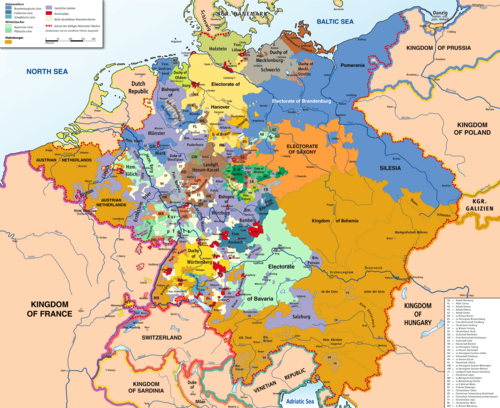
Before the 19th century, the German-speaking lands were part of the Holy Roman Empire, a loose association of territories. The Napoleonic Wars acted as a catalyst for change, sparking a sense of shared national identity and a desire for liberation.
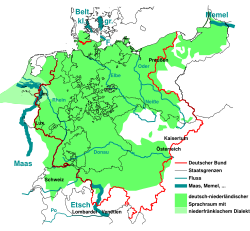
Following the Congress of Vienna, the German Confederation (Deutscher Bund) was established. However, this entity was plagued by "dualism"—the rivalry between the two dominant powers, Austria and Prussia.
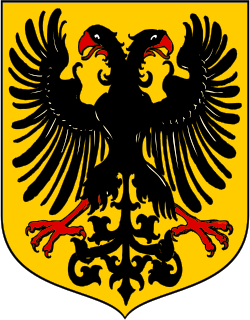
The Vormärz and Liberal Nationalism
The period leading up to the 1848 revolutions, known as the Vormärz, saw the rise of liberal nationalism. Students and professionals rallied for national unity and freedom of expression, exemplified by gatherings at Wartburg Castle and the Hambach Festival.
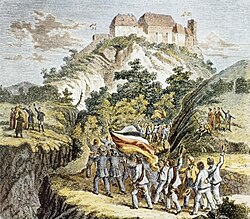
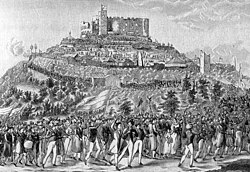
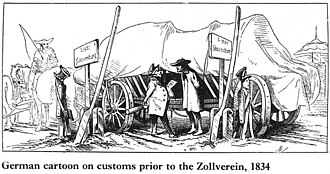
Conservative responses, such as the Carlsbad Decrees, attempted to suppress these movements by limiting freedom of expression. Despite this, economic integration progressed through the creation of a customs union, and the expansion of roads and railways further linked the disparate states.
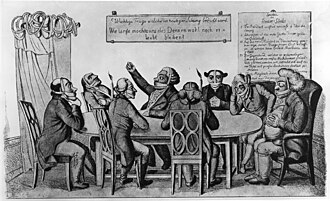
The 1848 Revolutions and the Frankfurt Parliament
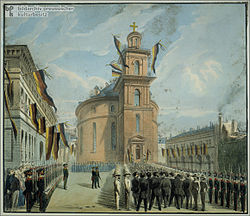
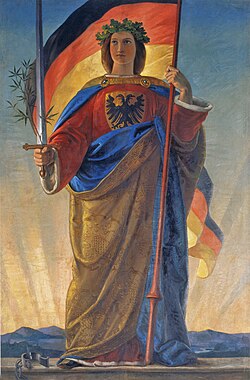
In 1848, a wave of revolutions led to the creation of the Frankfurt Parliament. Delegates met at Paul's Church to draft a constitution for a unified German state. However, this attempt failed when the Prussian king refused the crown offered by the parliament, highlighting the tension between liberal ideals and monarchical power.
Prussia's Ascent and the Wars of Unification
The failure of liberal unification paved the way for Prussia's military-led approach. The process began with the Schleswig-Holstein Question, a dispute over territories held by Denmark.
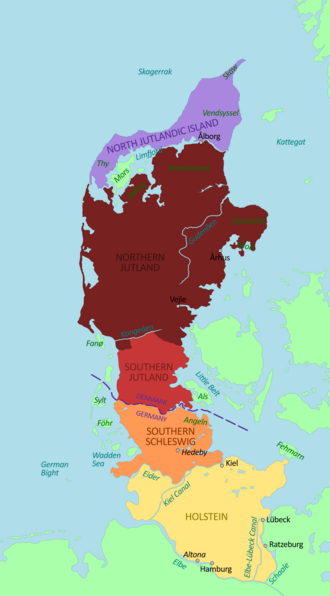
This led to a series of regional conflicts that generated national pride and demonstrated Prussian military superiority.
The Austro-Prussian War (1866)
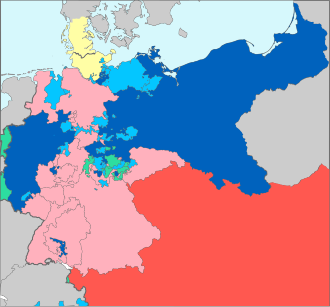
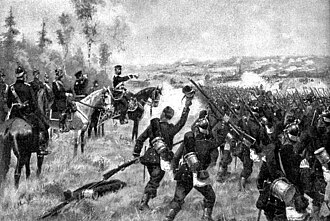
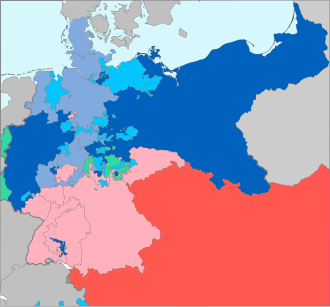
The rivalry between Austria and Prussia culminated in the War of 1866. Prussia's victory led to the Peace of Prague and the dissolution of the German Confederation. In its place, the North German Confederation was formed, effectively removing Austria from German political affairs.
The Franco-Prussian War (1870–1871)
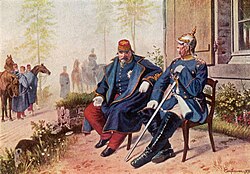
The final step toward unification was the war against France. This conflict served as the "capstone" of the process, uniting the northern states with the southern German kingdoms against a common enemy. The defeat of Napoleon III at Sedan destabilized the Second French Empire and cleared the path for a final political union.
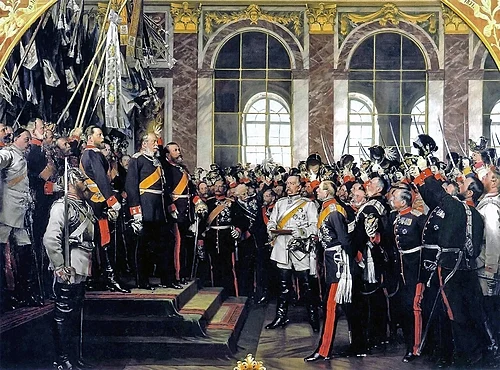
On January 18, 1871, the German Empire was officially proclaimed in the Hall of Mirrors at the Palace of Versailles, with Wilhelm I as the German Emperor.
The Structure of the German Empire
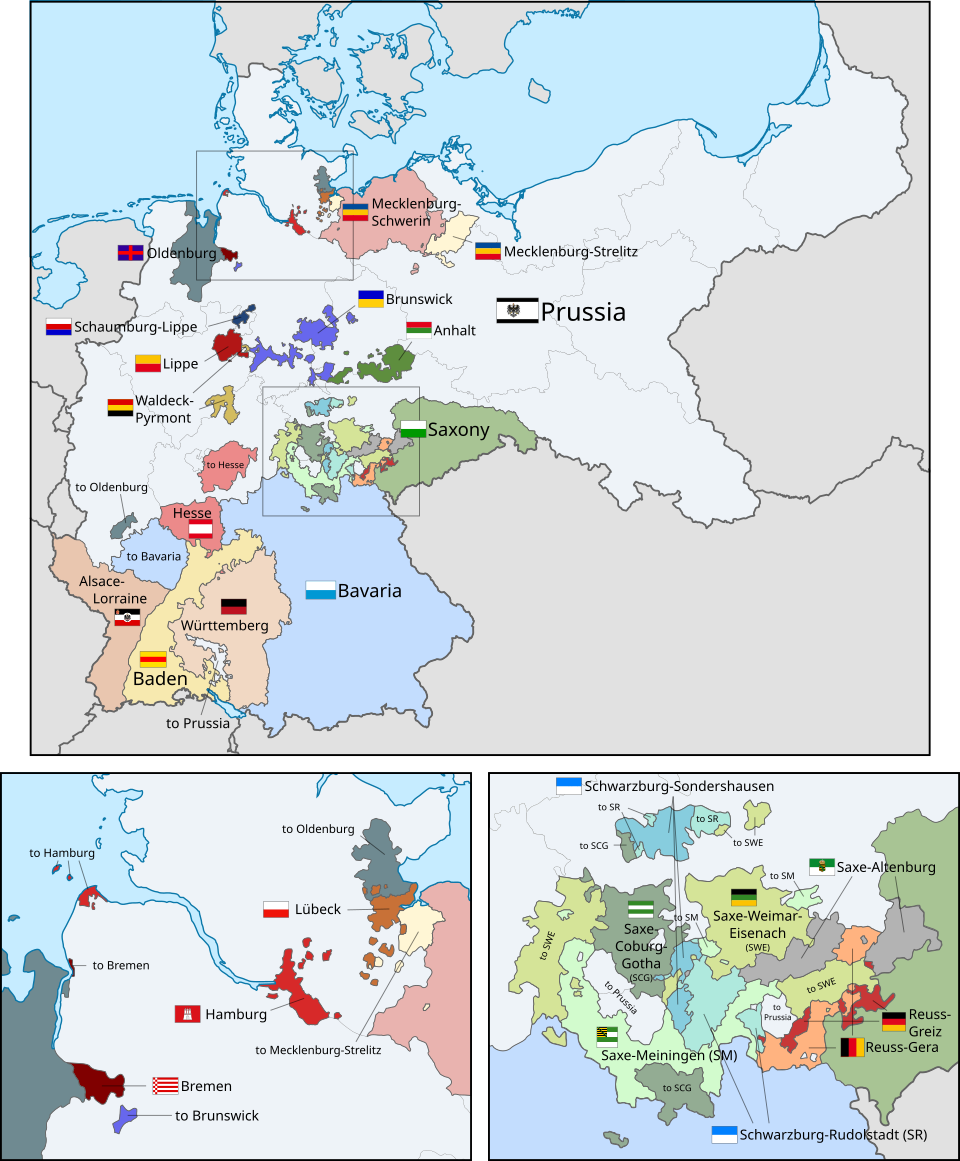
The new Empire was a federal entity consisting of various kingdoms, grand duchies, duchies, principalities, and free cities. While the Emperor and the Chancellor (Bismarck) held significant power, the constituent states maintained some internal autonomy.
| State Category | Examples | Capital |
|---|---|---|
| Kingdoms | Prussia, Bavaria, Saxony, Württemberg | Berlin, Munich, Dresden, Stuttgart |
| Grand Duchies | Baden, Hesse, Mecklenburg-Schwerin | Karlsruhe, Darmstadt, Schwerin |
| Duchies | Anhalt, Brunswick, Saxe-Meiningen | Dessau, Braunschweig, Meiningen |
| Free Hanseatic Cities | Bremen, Hamburg, Lübeck | N/A |
| Imperial Territories | Alsace-Lorraine | Straßburg |
Following unification, the state faced internal challenges, most notably the Kulturkampf (culture struggle), a conflict between the imperial government and the Catholic Church.
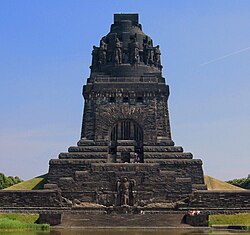
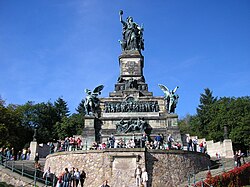
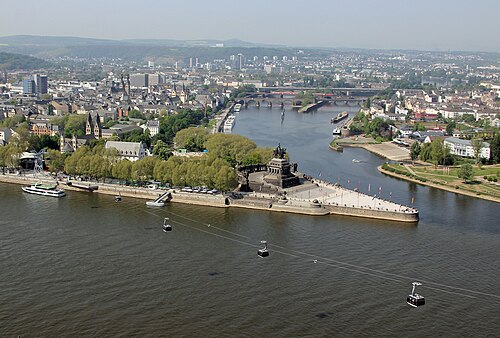
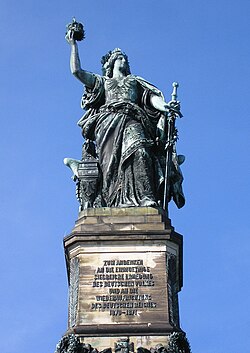
To solidify the national identity, the empire invested in national monuments and a shared historical narrative.
Frequently Asked Questions
What was the role of Otto von Bismarck in German unification?
Bismarck served as the Minister President of Prussia and later the Federal Chancellor. He used a combination of strategic diplomacy and military force (Realpolitik) to marginalize Austria and unite the German states under Prussian leadership.
Why was Austria excluded from the German Empire?
The "Lesser Germany" solution excluded Austria to avoid the administrative and political complications of including a multi-ethnic empire. This ensured that Prussia remained the dominant power within the new state.
What was the significance of the Franco-Prussian War?
The war acted as a catalyst that brought the southern German states into a military and political alliance with the North German Confederation, providing the final momentum needed to proclaim the German Empire in 1871.
What were the Carlsbad Decrees?
The Carlsbad Decrees were conservative laws enacted to suppress liberal and nationalist movements, specifically targeting students and professors to limit freedom of expression and assembly.
What was the Kulturkampf?
The Kulturkampf was a political campaign led by Bismarck to reduce the influence of the Roman Catholic Church in the newly formed German Empire, aiming to consolidate state power over religious authority.