Vaccines: Science, Types, and Global Impact
Vaccines are biological preparations designed to provide acquired immunity to a specific infectious disease. By mimicking an infection, they train the immune system to recognize and combat pathogens—such as bacteria or viruses—without causing the disease itself. This proactive approach to medicine has fundamentally altered the landscape of global health, turning once-deadly epidemics into preventable conditions.
The primary goal of any vaccine is to stimulate the body's immune system to produce antibodies and memory cells. When the body later encounters the actual pathogen, it can respond rapidly and effectively to neutralize the threat before it causes serious illness.
Key Facts
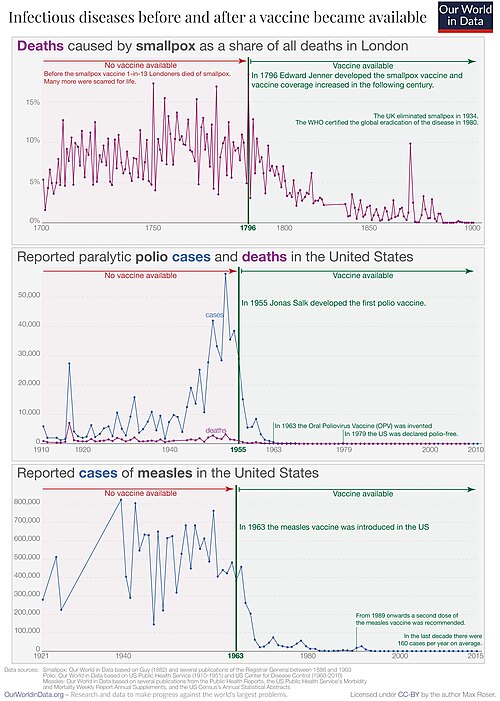
- Disease Prevention: Vaccinations directly reduce the number of infectious disease cases and indirectly lower mortality rates.
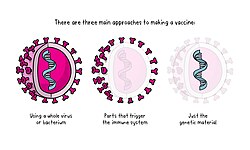
- Diverse Technologies: Vaccines can be made from whole pathogens, specific protein parts, or genetic instructions (DNA/RNA).
- Global Oversight: Organizations like the World Health Organization (WHO), the European Union, and the U.S. FDA regulate licensing and safety.
- Veterinary Use: Vaccines are not only for humans but are critical in animal health, including the use of DIVA (Differentiating Infected from Vaccinated Animals) vaccines.
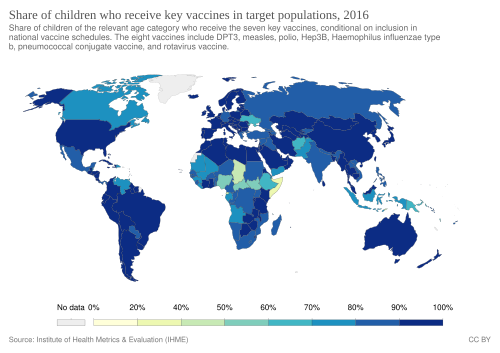
- Public Health Dependence: The success of a vaccine depends on high immunization rates and ongoing disease surveillance.
How Vaccines Work: Types and Technologies
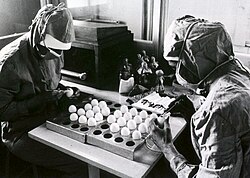
There are several scientific approaches to creating a vaccine, depending on the nature of the pathogen and the desired immune response.
Traditional Vaccine Approaches
- Attenuated Vaccines: Use a weakened form of the germ that causes a disease.
- Inactivated Vaccines: Use a killed version of the germ.
- Toxoid Vaccines: Use a toxin made by the germ to create immunity to the parts of the germ that cause a disease instead of the germ itself.
- Subunit and Conjugate Vaccines: Use specific pieces of the germ—like its protein, sugar, or casing—to trigger a targeted immune response.
Modern Genetic Vaccines
Recent advancements have introduced genetic vaccines, which do not use the actual pathogen. Instead, they provide the body with the genetic blueprint to produce a piece of the pathogen's protein.
- mRNA Vaccines: Use messenger RNA to teach cells how to make a protein that triggers an immune response.
- DNA Vaccines: Use a plasmid of DNA to induce immunity.
- Viral Vector Vaccines: Use a modified version of a different, harmless virus to deliver genetic material from the target pathogen.
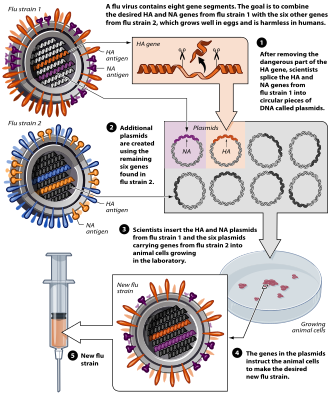
Vaccine Composition and Delivery
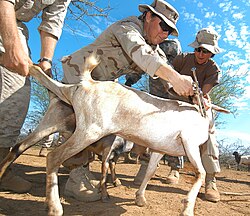
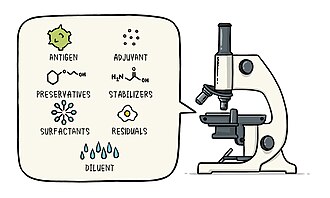
Beyond the active antigen (the substance that triggers the immune response), vaccines contain other essential ingredients to ensure stability and effectiveness.
Common Ingredients
- Adjuvants: Substances added to boost the immune response.
- Preservatives: Used to prevent contamination, such as thimerosal.
- Excipients: Stabilizers or buffers that maintain the vaccine's integrity during storage.
Delivery Systems
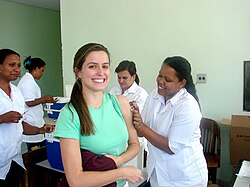
While the traditional needle-and-syringe injection remains the most common method, new delivery systems are being developed to increase accessibility and patient comfort:
- Oral Vaccines: Administered by mouth.
- Microneedle and Dermal Patches: Needle-free options that deliver the vaccine through the skin.
Effectiveness, Safety, and Limitations
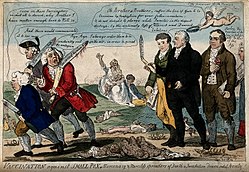
The performance of a vaccine is not uniform; it depends on the specific disease and the individual's immune system. For some diseases, vaccination is nearly 100% effective, while for others, it may primarily reduce the severity of the illness rather than preventing infection entirely.
Safety is monitored through rigorous clinical trials and postmarketing surveillance. While side effects can occur, scientific consensus indicates that vaccines are safe and do not cause autism. However, the effectiveness of a vaccination program relies on maintaining high coverage rates to prevent the resurgence of rare diseases.
![A child with measles, a vaccine-preventable disease[18]](/images/a9/d6/a9d688cabe8776493c8199ddac9fa134f2703404050002888eff6b99d52185d1.jpg)
The History and Evolution of Vaccination
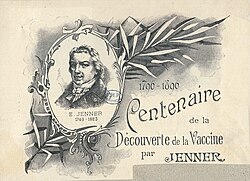
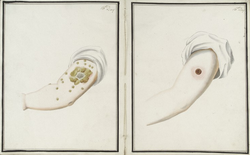
Vaccination began with early experiments in variolation and the work of Edward Jenner, who used cowpox to provide immunity against smallpox. Over the centuries, the field has evolved from these early observations to sophisticated reverse genetics and bioreactors using plants for production.
Despite these successes, vaccine hesitancy—the delay in acceptance or refusal of vaccines despite availability—remains a challenge. This is often driven by disinformation or political affiliations, as seen in the varying uptake rates of COVID-19 vaccines in the United States.
![After the December 2020 introduction of COVID vaccines in the United States, a partisan gap in death rates developed; The New York Times attributed this gap to differences in vaccine uptake linked to political affiliation.[180] As of March 2024, more than 30 percent of Republicans had not received a COVID-19 vaccine, compared with less than 10 percent of Democrats.[180]](/images/5f/92/5f92b2395d28787396eaa28ccc50a14bb12b7fdee79bbb30cbc8163ef9c22341.webp)
Summary of Vaccine Types
| Vaccine Type | Composition | Mechanism |
|---|---|---|
| Attenuated | Weakened live pathogen | Mimics natural infection |
| Inactivated | Killed pathogen | Introduces dead antigens |
| Subunit/Conjugate | Specific pathogen pieces | Targets key proteins/sugars |
| mRNA/DNA | Genetic material | Instructs cells to make antigens |
| Viral Vector | Modified harmless virus | Delivers genetic code |
Frequently Asked Questions
Do vaccines cause autism?
No. Extensive scientific research and big data analysis have consistently shown that vaccines do not cause autism.
What is the difference between a monovalent and polyvalent vaccine?
A monovalent vaccine targets a single strain of a pathogen, while a polyvalent vaccine is designed to protect against multiple strains of the same pathogen.
What are adjuvants used for?
Adjuvants are ingredients added to some vaccines to help create a stronger and longer-lasting immune response, often allowing for smaller doses of the antigen.
Why are some vaccines given in multiple doses?
Some vaccines require a primary series and subsequent boosters to ensure the immune system maintains a high level of protection over time.
What are DIVA vaccines?
DIVA stands for Differentiating Infected from Vaccinated Animals. These are veterinary vaccines that allow clinicians to tell if an animal is naturally infected or has been vaccinated.