UNSC Resolution 425: Mandating Peace in Southern Lebanon
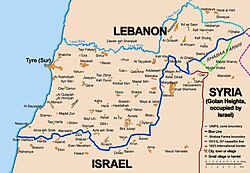
In March 1978, the United Nations Security Council responded to the Israeli invasion of Lebanon by adopting Resolution 425 and Resolution 426. These resolutions were designed to end the conflict by calling for the immediate withdrawal of Israeli forces from Lebanese territory and restoring stability to the region.
To enforce this mandate, the UN created the United Nations Interim Force in Lebanon (UNIFIL). The primary objectives of UNIFIL were to confirm the withdrawal of Israeli troops, restore international peace and security, and assist the Lebanese government in re-establishing its effective authority over the affected areas. UNIFIL forces officially arrived in Lebanon on March 23, 1978, establishing their headquarters in Naqoura.
The Path to a Ceasefire
The adoption of Resolution 425 did not bring an immediate end to the fighting. Israeli forces continued military operations for two additional days before ordering a ceasefire. Meanwhile, the Palestine Liberation Organization (PLO) initially argued that the resolution did not apply to them, as the text did not explicitly mention the organization.
A breakthrough occurred on March 28, 1978, following a meeting in Beirut between UNIFIL commander General Emmanuel Erskine and Yasser Arafat. The PLO leadership subsequently ordered a ceasefire. Historian Helena Cobban noted that this agreement represented a turning point for the Palestinian resistance movement, as it marked the first time all official PLO bodies endorsed a ceasefire agreement with Israel.
Internal Resistance and Violations
Despite the official agreement, some elements within the Palestinian resistance opposed the peace. In April 1978, Mohammad Daoud Oudeh (known as Abu Daoud), a second-level Fatah leader, organized cells of 70 to 80 fighters to break the ceasefire. This prompted Yasser Arafat and Khalil Wazir to order the arrest of those involved; Abu Daoud was later accused of collaborating with Fatah renegade Abu Nidal to undermine the agreement.
Israeli Withdrawal and the South Lebanon Army
Later in 1978, Israeli forces withdrew from Lebanon. However, rather than returning the land directly to Lebanese government control, they transferred their positions to the South Lebanon Army (SLA), a militia led by Major Saad Haddad.
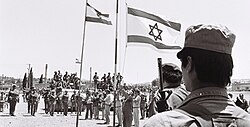
The transition to SLA control led to significant violence against UN peacekeepers. On April 19, 1978, the SLA shelled the UNIFIL headquarters, wounding eight UN soldiers. The instability continued into the following years:
- April 1980: Three Irish UN soldiers (Privates Barrett, Smallhorne, and O'Mahoney) were kidnapped by Christian gunmen. Privates Barrett and Smallhorne were murdered, while Private O'Mahoney survived despite being shot.
- SLA Hostilities: Private S. Griffin, another Irish soldier, was shot by Haddad's men and later died during medical treatment in Israel.
During this period, the Israeli press, including The Jerusalem Post, accused Irish peacekeepers of maintaining a pro-PLO bias.
Ongoing Conflict and Escalation
UNIFIL faced threats from multiple sides. In 1981, Palestinian factions attacked UNIFIL forces and kidnapped an Irish soldier, while continuing to occupy various areas in southern Lebanon. As the broader Lebanese civil war escalated, fighting in the south intensified.
The persistence of PLO-led attacks from Lebanese soil eventually culminated in a second Israeli invasion in 1982, triggering a flare-up of hostilities that lasted for the next decade.
Key Facts
- Resolution 425: Adopted March 19, 1978, calling for Israeli withdrawal from Lebanon.
- UNIFIL: Established to confirm withdrawal and restore Lebanese government authority.
- PLO Ceasefire: Agreed upon March 28, 1978, after negotiations between General Emmanuel Erskine and Yasser Arafat.
- SLA: The South Lebanon Army, led by Saad Haddad, took over Israeli positions in 1978.
- 1982 Invasion: A second Israeli invasion occurred due to continued PLO attacks from Lebanon.
| Event/Entity | Date/Detail | Outcome/Role |
|---|---|---|
| Resolution 425 Adoption | March 19, 1978 | Mandated Israeli withdrawal from Lebanon |
| UNIFIL Arrival | March 23, 1978 | Established HQ in Naqoura to enforce mandate |
| PLO Ceasefire | March 28, 1978 | First official PLO-endorsed ceasefire with Israel |
| SLA Transition | Late 1978 | Israeli positions handed to Maj. Saad Haddad's militia |
| Second Invasion | 1982 | Israeli military return following PLO attacks |
Frequently Asked Questions
What was the primary purpose of UNSC Resolution 425?
The resolution called for the withdrawal of Israeli forces from Lebanon and the creation of UNIFIL to confirm this withdrawal, restore international peace, and help the Lebanese government regain authority in the region.
Who was the South Lebanon Army (SLA)?
The SLA was a militia led by Major Saad Haddad that acted as an ally to Israel. They took over positions inside Lebanon after the Israeli army withdrew in 1978.
Why did the PLO initially resist the resolution?
The PLO initially claimed the resolution did not apply to them because the text of Resolution 425 did not explicitly mention the PLO.
What happened to the UN peacekeepers in the region?
UNIFIL soldiers, particularly those from Ireland, faced significant danger. They were subjected to shelling by the SLA, kidnappings, and murders by both Christian gunmen and Palestinian factions.
Did Resolution 425 lead to long-term peace?
While it established a framework for withdrawal and peacekeeping, hostilities continued due to the Lebanese civil war and PLO attacks, eventually leading to another Israeli invasion in 1982.