Six-Day War: The 1967 Conflict That Reshaped the Middle East
The Six-Day War, also known as the 1967 Arab-Israeli War, was a pivotal military conflict fought from June 5 to June 10, 1967. This brief but intense war pitted Israel against a coalition of Arab states, primarily Egypt, Syria, and Jordan, with minor involvement from Lebanon and Iraq. The conflict resulted in a decisive Israeli victory and fundamentally altered the geopolitical map of the Middle East.
The war was characterized by a rapid Israeli offensive that saw the capture of vast territories, expanding Israel's control far beyond its pre-war borders. This shift in territory remains a central point of contention in regional diplomacy and politics to this day.
![On 22 May 1967, President Nasser addressed his pilots at Bir Gifgafa Airfield in Sinai: "The Jews are threatening war—we say to them ahlan wa-sahlan (welcome)!"[53]](/images/50/23/5023c5ba9cdb2dd1f31ae3fdefa5e4ca54a624be1d82d3263358f34ec43595f1.gif)
Key Facts
- Dates: 5–10 June 1967.
- Belligerents: Israel vs. Egypt, Syria, Jordan, Iraq, and Lebanon.
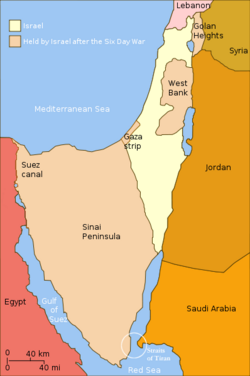
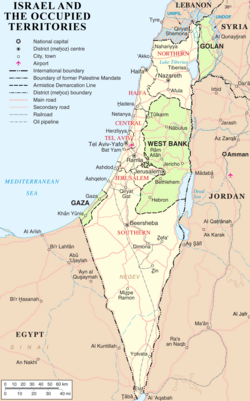
- Territories Captured: The Sinai Peninsula and Gaza Strip (from Egypt), the West Bank and East Jerusalem (from Jordan), and the Golan Heights (from Syria).
- Total Land Occupied: Approximately 70,000 km² (27,000 sq mi).
- Outcome: Decisive Israeli victory.
Military Strength and Weaponry
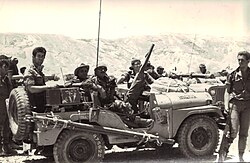
The conflict showcased a significant disparity in military assets and tactical execution. Israel entered the war with a force of 264,000 personnel, supported by 800 tanks and 250–300 combat aircraft.
Arab Coalition Armaments
The Arab armies relied heavily on Soviet-made equipment. Their arsenal included Armored Personnel Carriers (APCs) such as the BTR-40, BTR-152, BTR-50, and BTR-60. Their air power was centered on MiG-21, MiG-19, and MiG-17 fighters, along with Su-7 B bombers and Tu-16 aircraft. Jordan and Iraq specifically utilized the Hawker Hunter aircraft.
Israeli Defense Forces (IDF) Armaments
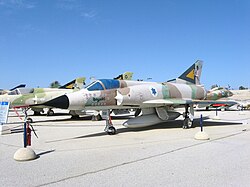
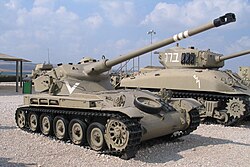
The IDF utilized a mix of Western technology, including Panhard AML and M2/M3 Half-tracks. Their air force relied heavily on French-built aircraft, such as the Dassault Mirage, to achieve air superiority. For anti-aircraft warfare (AAW), Israel employed the MIM-23 Hawk and Bofors 40 mm systems.
The Course of the Conflict
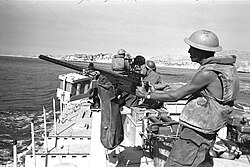
The war unfolded across three primary fronts, with the Israeli military utilizing preemptive strikes and rapid maneuvers to disable enemy capabilities.
The Sinai Peninsula and Gaza Strip
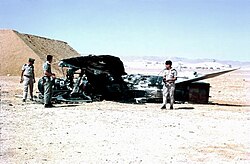
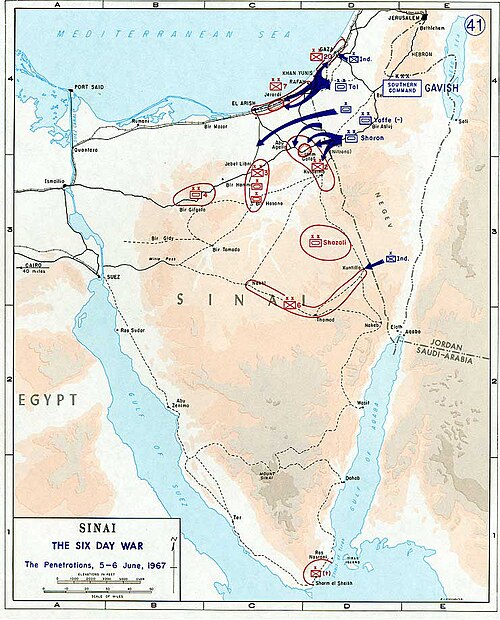
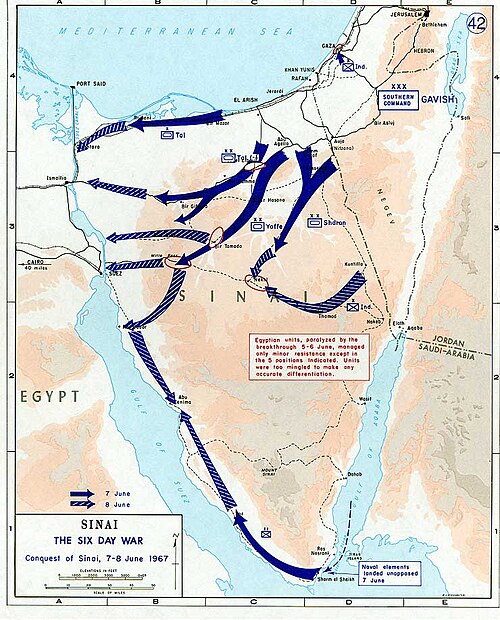
The initial attack focused on Egypt. Israeli forces advanced through the Sinai Peninsula, targeting the Egyptian Army. Key operations included the advance on El Arish and the engagement at Abu-Ageila. The swiftness of the Israeli advance led to the capture of the Sinai Peninsula and the Gaza Strip.
The West Bank and Jerusalem
Following the success in the south, Israel turned its attention to Jordan. Despite Egyptian control over some Jordanian forces, the IDF launched an invasion of the West Bank. This campaign included the fierce Battle of Ammunition Hill, where paratroopers fought to flush out Jordanian soldiers from trenches.
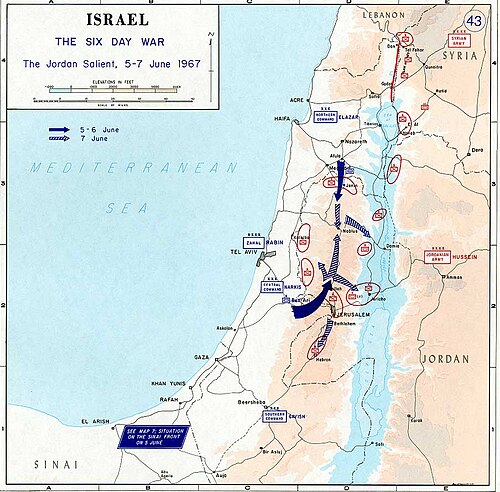
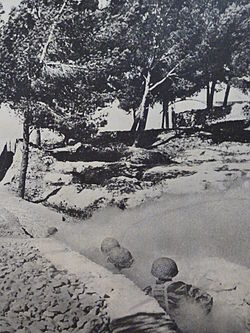
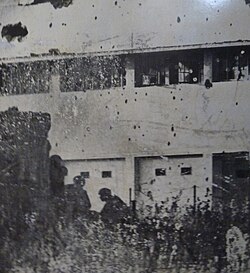
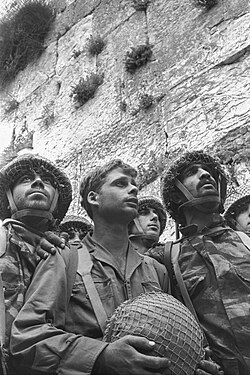
The capture of East Jerusalem was a defining moment of the war, culminating in the arrival of Israeli paratroopers at the Western Wall.
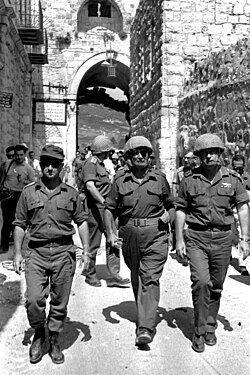
The Golan Heights
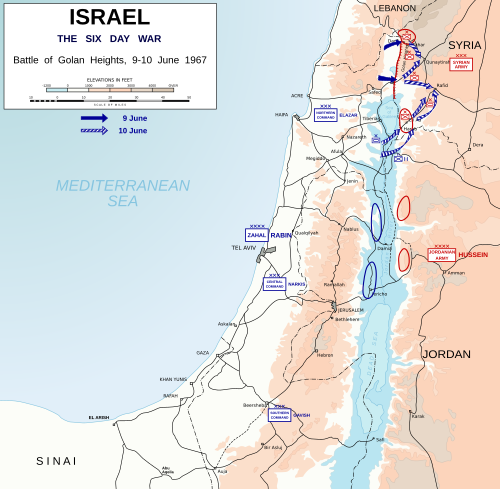
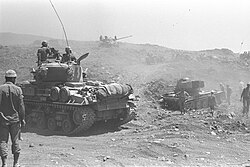
The final stage of the war took place on the northern front against Syria. After debating whether to attack, Israeli forces launched an offensive on June 9 and 10, successfully capturing the Golan Heights, a strategic plateau overlooking the Galilee.
Casualties and Territorial Impact
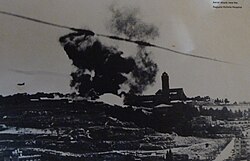
The human and material cost of the war was starkly uneven. While Israel suffered moderate losses, the Arab coalitions experienced devastating casualties and equipment loss.
| Belligerent | Killed/Missing | Wounded/Captured | Aircraft Destroyed | Tanks Destroyed |
|---|---|---|---|---|
| Israel | 776–983 | 4,517 wounded / 15 captured | 36–48 | 100–400 |
| Egypt | 9,800–15,000 | 4,338 captured | (Combined Arab total below) | (Combined Arab total below) |
| Syria | 1,000–2,500 | 367–591 captured | 372–440 | >509–700 |
| Jordan | 696–700 | 2,500 wounded / 533 captured | - | - |
Aftermath and Controversies
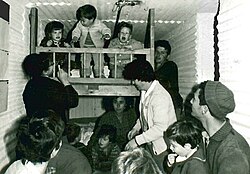
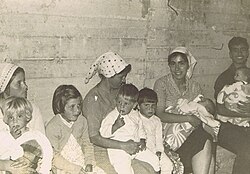
The war's conclusion left a lasting legacy of displacement and political tension. A significant exodus of Arabs occurred from the newly occupied territories, including the Golan Heights and the West Bank.
Historians continue to debate whether the conflict was a preemptive war (a strike to prevent an imminent attack) or a war of aggression. Other controversies include allegations of atrocities committed against Egyptian prisoners of war and the USS Liberty incident.
Frequently Asked Questions
Which territories did Israel occupy during the Six-Day War?
Israel occupied the Sinai Peninsula and the Gaza Strip from Egypt, the West Bank and East Jerusalem from Jordan, and the Golan Heights from Syria.
What was the primary cause of the Israeli victory?
The victory was driven by several tactical elements, including the achievement of air superiority through preemptive strikes and rapid ground maneuvers that overwhelmed the coalition forces.
How many days did the war actually last?
The war lasted for six days, from June 5 to June 10, 1967.
What aircraft were most prominent in the conflict?
The Israeli Air Force relied heavily on French-built Dassault Mirage jets, while the Arab coalition primarily used Soviet-made MiG-21, MiG-19, and MiG-17 aircraft.
What was the human cost for the belligerents?
Israel suffered between 776 and 983 deaths. The Arab coalition suffered significantly higher losses, with Egypt alone reporting between 9,800 and 15,000 killed or missing.