Haifa: A Mediterranean Hub of Culture, Industry, and Coexistence
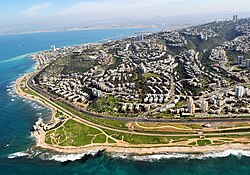
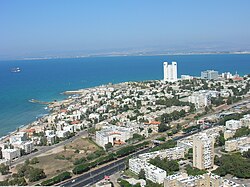
Perched between the slopes of Mount Carmel and the sparkling waters of the Mediterranean, Haifa is one of Israel's most vital urban centers. Known for its unique blend of industrial prowess, academic excellence, and a long-standing tradition of coexistence between diverse religious and ethnic communities, the city serves as a primary gateway to the region through its strategic port.
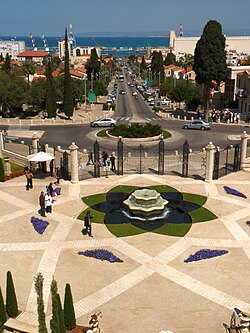
From the serene gardens of the Baháʼí World Centre to the bustling activity of the Matam hi-tech park, Haifa offers a landscape of contrasts where ancient history meets cutting-edge innovation.
Key Facts
- Population: Approximately 297,082 (City), with a metropolitan area of 1.05 million (2024).
- Geography: Situated on the coast of the Mediterranean Sea, dominated by the Mount Carmel ridge.
- Economy: A major industrial hub featuring the Port of Haifa, an oil refinery, and the Matam hi-tech park.
- Education: Home to the Technion (Israel's first Hebrew-teaching higher education institution) and the University of Haifa.
- Unique Transit: Features the Carmelit, Israel's only subway system.
Historical Evolution
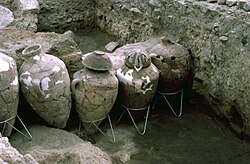
Haifa's history is as layered as its geography. Archaeological evidence from Tell Abu Hawam points to activity as far back as the Bronze Age, establishing the area as a site of human settlement long before the formal founding of the city in the 1st century CE.
Over the millennia, the city passed through the hands of the Roman and Byzantine Empires, followed by various Muslim caliphates. It later saw the influence of the Crusaders, Ayyubids, and Mamluks before becoming a significant center under the Ottoman Empire. The late 19th century brought the arrival of the Templers, who established the German Colony, a neighborhood that remains a landmark of the city today.
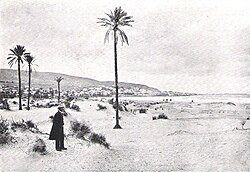
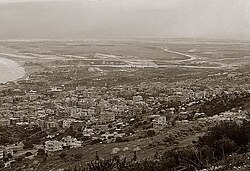
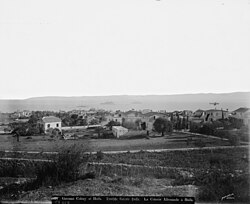
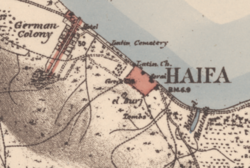
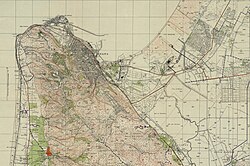
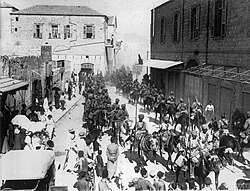
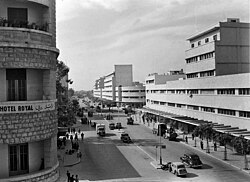
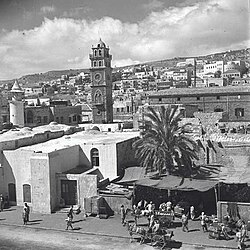
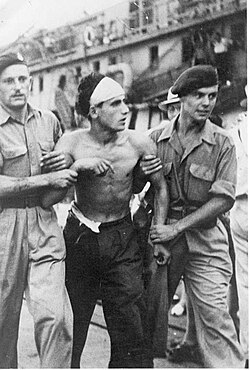
During the British Mandate, Haifa grew rapidly as a strategic port and administrative center. The mid-20th century was marked by the 1947–1948 Civil War in Palestine, eventually leading to the city's integration into the state of Israel. Throughout the 20th and 21st centuries, Haifa evolved into a modern metropolis, balancing its role as a heavy industrial port with its growth as a center for science and medicine.
Geography and Climate
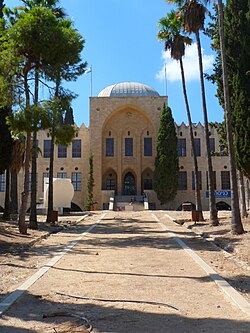
![Nazareth Nuns' School, a prestigious Arabic school in Haifa.[188]](/images/66/42/6642829014f046c013ae242b86b91328fad458d0820b1bb8fa0e49fe540a480b.jpg)
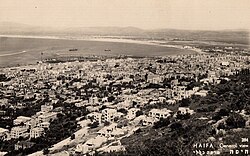
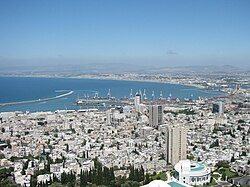
The city is defined by its dramatic topography, stretching from the coastline up the steep slopes of Mount Carmel. This elevation creates distinct microclimates; the coastal areas are generally milder, while the higher elevations of the mountain experience cooler temperatures and higher rainfall.
| Location | Mean Daily Max (Year) | Mean Daily Min (Year) | Annual Rainfall (Approx) |
|---|---|---|---|
| Haifa Airport (Coastal) | 21.2°C | 15.9°C | High (Peak in Dec) |
| University of Haifa (Mountain) | 18.1°C | 15.2°C | Higher than coastal |
Urban Landscape and Economy
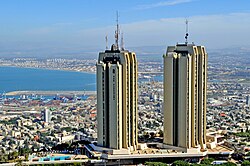
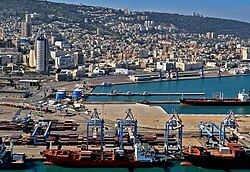
Haifa's economy is a diversified engine of growth. The Port of Haifa is one of the most important maritime hubs in the Eastern Mediterranean, facilitating global trade. On the industrial side, the Haifa Oil Refinery remains a critical piece of infrastructure.
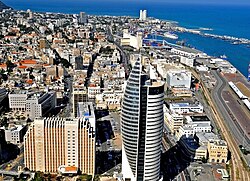
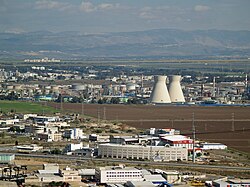
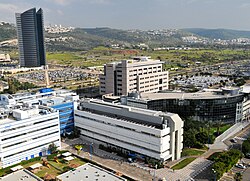
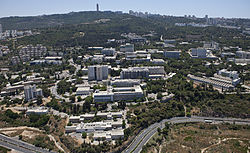
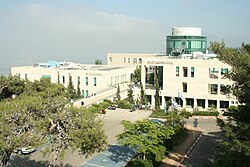
In recent decades, the city has pivoted toward technology and innovation. The Matam hi-tech park is a primary center for software and hardware development, attracting global tech giants. This is complemented by the city's academic institutions, most notably the Technion, which is consistently ranked among the top 100 universities globally in the Shanghai Academic Ranking.
Culture, Religion, and Tourism
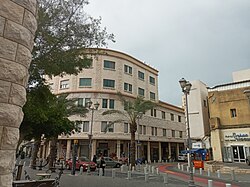
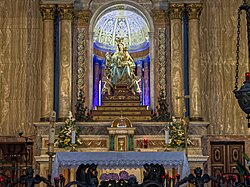
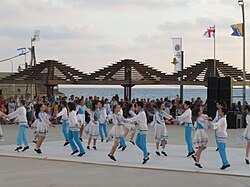
Haifa is celebrated for its religious diversity. The city is the spiritual heart of the Baháʼí faith, featuring the stunning Baháʼí World Centre and its meticulously manicured gardens. Other significant religious sites include the St. Elijah Cathedral, the Great Synagogue, and the Mahmood Mosque.
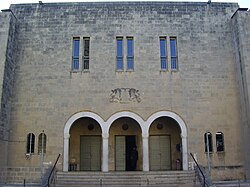
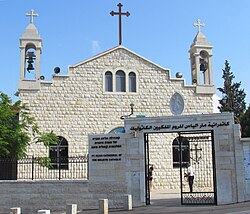
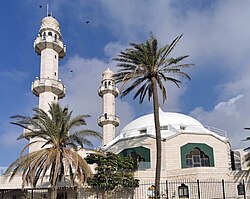
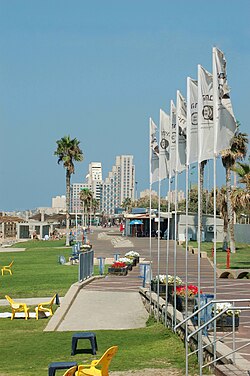
Tourism is driven by both spiritual and leisure interests. Visitors frequent the Stella Maris Monastery, the promenade along Dado Beach, and the various museums, including the National Museum of Science.
Infrastructure and Transportation
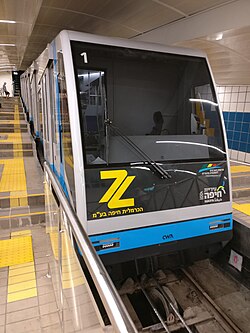
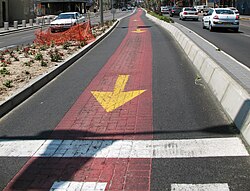
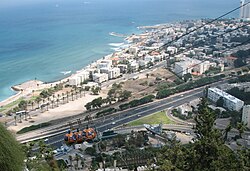
Navigating Haifa's steep terrain requires specialized transit solutions. The Carmelit is a unique underground funicular subway system that transports passengers between the lower city and the Carmel ridge. The city has also implemented the Metronit, a high-capacity bus rapid transit system.
For regional and international travel, Haifa utilizes the HaMifratz and Hof HaCarmel railway stations, as well as the Port of Haifa for sea transport.
Civic Life and Notable Figures
The city is governed by a mayor-council system, currently led by Mayor Yona Yahav. Its civic infrastructure includes the Haifa City Hall, the Rambam Medical Center, and the Sammy Ofer Stadium.
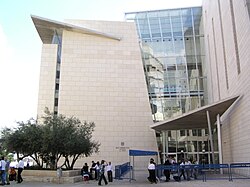
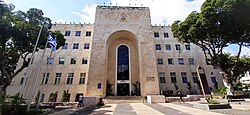
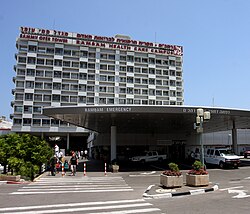
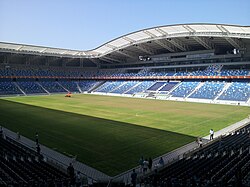
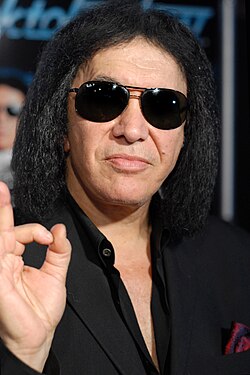
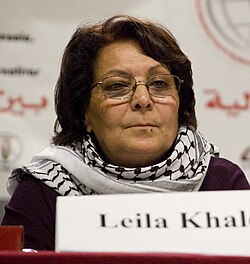
Haifa has been the birthplace or home to a wide array of influential figures, from Nobel laureates in Chemistry like Aaron Ciechanover and Avram Hershko to musicians like Gene Simmons and Hillel Slovak, and filmmakers such as Ari Folman.
Frequently Asked Questions
What is the Carmelit?
The Carmelit is Israel's only subway system, operating as an underground funicular to help residents and tourists navigate the steep elevation change between the coast and the top of Mount Carmel.
Which major educational institutions are in Haifa?
The city is home to the Technion (Israel Institute of Technology), the first higher education institution to teach in Hebrew, and the University of Haifa.
What is the demographic makeup of Haifa?
As of recent data, the population is approximately 73.1% Jewish, 12.1% Arab, and 14.8% other ethnicities, reflecting the city's role as a center of coexistence.
What are the main economic drivers of the city?
Haifa's economy is driven by the Port of Haifa, the Haifa Oil Refinery, and the Matam hi-tech park, alongside its strong academic and medical sectors.
Is Haifa a religious center?
Yes, it is particularly significant as the location of the Baháʼí World Centre, but it also hosts important sites for Christians, Muslims, and Jews, such as the St. Elijah Cathedral and the Great Synagogue.