Chaim Weizmann: The Scientist and Statesman Who Shaped Israel
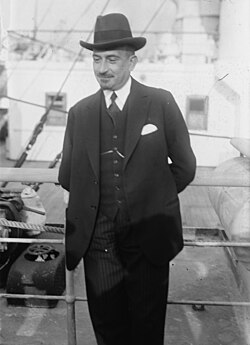
Chaim Weizmann was a rare polymath whose life bridged the worlds of high-level biochemistry and international diplomacy. As a world-renowned scientist and a relentless political strategist, he played a pivotal role in the creation of the State of Israel, serving as its first president from 1949 until his death in 1952. His ability to leverage scientific achievement for political gain made him an indispensable figure in the 20th-century Zionist movement.
Born in 1874 in Motal, within the Russian Empire (modern-day Belarus), Weizmann was the third of 15 children. His early education in a traditional cheder (Jewish religious primary school) provided a foundation in Hebrew, while his time in high school in Pinsk revealed a profound aptitude for chemistry. This dual passion for his heritage and science would define his entire career.
Key Facts
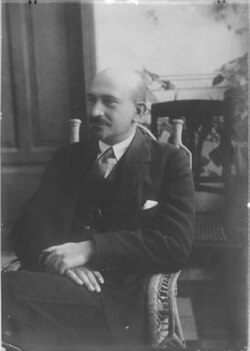
- First President: Served as the first President of Israel from February 17, 1949, to November 9, 1952.
- Scientific Contribution: A biochemist who registered approximately 100 research patents under the name Charles Weizmann.
- Diplomatic Triumph: Instrumental in securing the 1917 Balfour Declaration, which signaled British support for a Jewish homeland in Palestine.
- Academic Legacy: Advocated for the founding of the Technion and established a lasting legacy in scientific research.
- Global Influence: Convinced the United States government to recognize the State of Israel in 1948.
Academic Journey and Scientific Breakthroughs
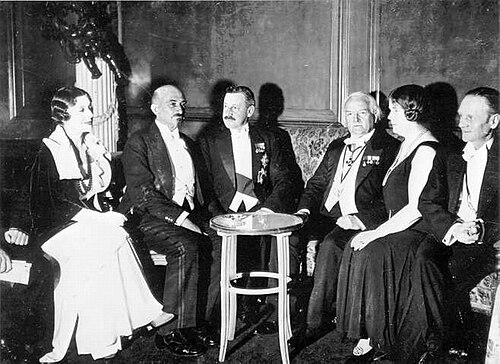
Weizmann's academic path took him through the Technische Universität Darmstadt, the Technische Universität Berlin, and finally the University of Fribourg in Switzerland. It was during his time in Berlin and Switzerland that he integrated into circles of Zionist intellectuals, attending the Second Zionist Congress in Basel in 1898.
Moving to Manchester, England, in 1904, Weizmann established himself as a leading chemist. His most significant scientific contribution came during World War I. Following the "Shell Crisis" of 1915, Weizmann's work on the production of synthetic acetone became vital to the British war effort. This scientific breakthrough granted him unprecedented access to the highest levels of the British government, including Prime Minister Lloyd George and Home Secretary Winston Churchill.
The Intersection of Science and Diplomacy
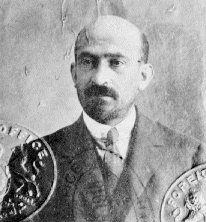
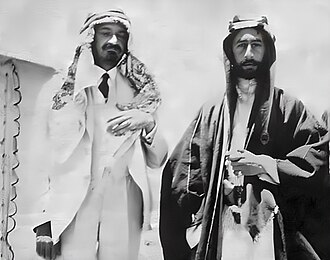
Weizmann utilized his standing as a scientist to lobby for the Zionist cause. He recognized that the British government would be more receptive to a leader who provided tangible value to the Empire. His relationship with Arthur Balfour, the Foreign Secretary, was particularly fruitful. Through persistent diplomacy and a deep understanding of British Liberalism, Weizmann helped secure the Balfour Declaration in November 1917, a landmark document expressing British support for the establishment of a national home for the Jewish people in Palestine.
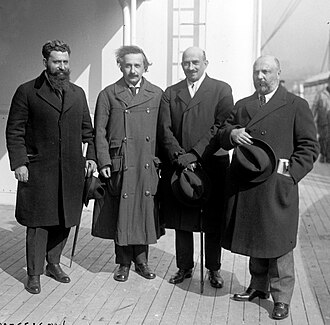
Zionist Leadership and Political Career
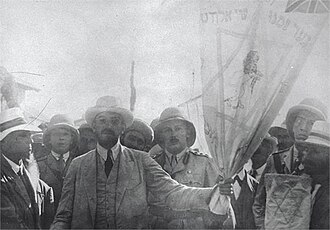
Beyond his diplomatic successes in London, Weizmann was a visionary for Jewish education and infrastructure. In 1901, he began lobbying for a Jewish institution of higher learning in Palestine, a goal that materialized with the foundation of the Technion (Israel Institute of Technology) in 1912.
Throughout the 1930s, Weizmann navigated the complexities of the British Mandate. He faced the challenge of limited Jewish immigration while the threat of Nazism grew in Europe. During his testimony before the Peel Commission in 1936, he poignantly described the plight of millions of Jews for whom the world was divided into places where they could not live and places where they could not enter.
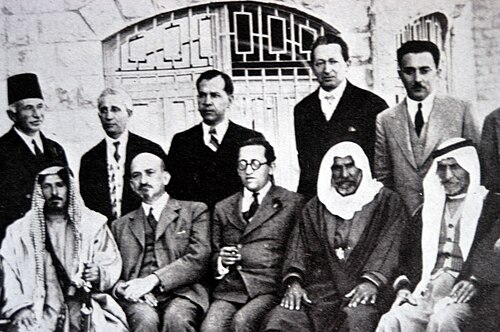
The First Presidency
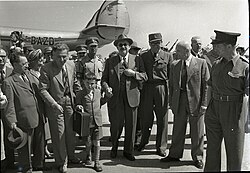
Following the establishment of the State of Israel in 1948, Weizmann initially served as the Chairman of the Provisional State Council. On February 16, 1949, he was elected as the first President of Israel. While the role was largely ceremonial compared to the Prime Minister, Weizmann used his presidency to foster international recognition and promote scientific advancement within the new state.
Summary of Chaim Weizmann's Life
| Category | Details |
|---|---|
| Lifespan | November 27, 1874 – November 9, 1952 |
| Primary Professions | Biochemist, Statesman, Zionist Leader |
| Key Political Roles | 1st President of Israel; Chairman of the Provisional State Council |
| Major Achievement | Securing the Balfour Declaration (1917) |
| Education | TU Darmstadt, TU Berlin, University of Fribourg |
| Citizenships | Russian Empire, United Kingdom, Israel |
Frequently Asked Questions
What was Chaim Weizmann's most significant scientific achievement?
Weizmann is best known for his work in biochemistry, specifically the development of a process for the production of synthetic acetone, which was critical for the British military during World War I.
How did Weizmann contribute to the founding of Israel?
He was a primary architect of the diplomatic effort to gain international support for a Jewish state, most notably by persuading the British government to issue the Balfour Declaration in 1917 and later securing U.S. recognition of Israel in 1948.
What was the Balfour Declaration?
The Balfour Declaration was a public statement issued by the British government in 1917, announcing support for the establishment of a "national home for the Jewish people" in Palestine.
Which educational institutions did Weizmann help establish?
Weizmann was a key advocate for the creation of the Technion – Israel Institute of Technology, emphasizing the need for science and engineering education in the Jewish homeland.
When did Chaim Weizmann serve as President of Israel?
He served as the first President of Israel from February 17, 1949, until his death on November 9, 1952.