Understanding the State of Israel: History, Governance, and Demographics
The State of Israel is a country located at the crossroads of history, culture, and modern innovation. Established in the mid-20th century, it serves as a vital hub in the Middle East, characterized by a complex historical tapestry that stretches from ancient civilizations to a high-tech modern economy. This article explores the foundational aspects of the nation, including its governance, diverse population, and economic landscape.
Key Facts
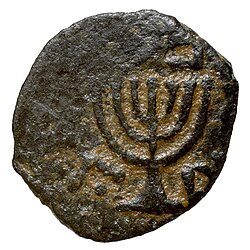
- Establishment: Declared on 14 May 1948.
- Capital: Jerusalem (noted with limited international recognition).
- Official Languages: Hebrew and Arabic.
- Government Type: Unitary parliamentary republic.
- Currency: New shekel (ILS).
- Population Estimate: Approximately 10.1 million (2026 estimate).
Historical Foundations
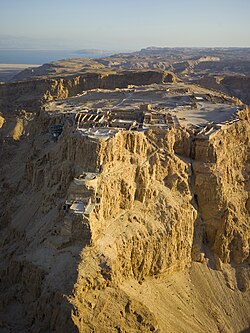
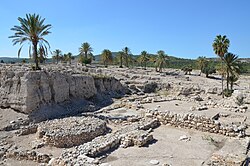
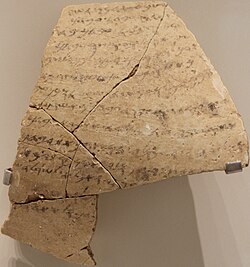
The history of the region is deeply rooted in antiquity. Archaeological evidence points to a long succession of civilizations, including the Canaanites and later Israelite cities.
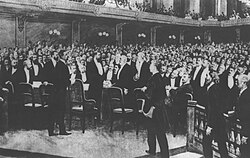
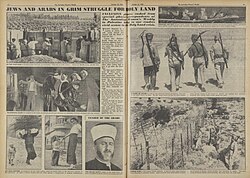
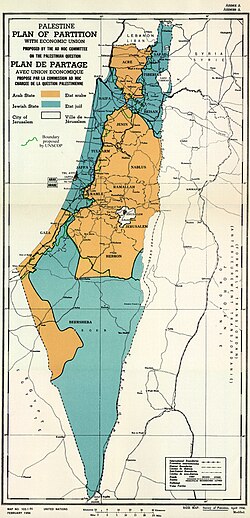
Throughout the classical and medieval periods, the land saw various shifts in administration and religious influence. In more recent history, the emergence of Zionism—a movement for the self-determination of the Jewish people—led to significant political shifts during the British Mandate for Palestine.
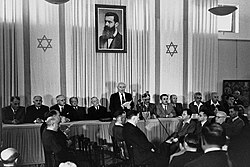
The modern state was formally established following the Declaration of Independence on 14 May 1948.
Governance and Political Structure
![3rd-century Kfar Bar'am synagogue in the Galilee[106]](/images/69/d7/69d7f17f4b7c9eeba80012fe76addfd940319889efbddc78979caf165e308217.jpg)
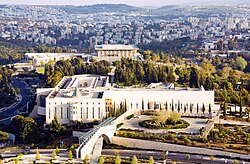
Israel operates as a unitary parliamentary republic. This means the central government holds supreme authority, and the legislative power is vested in the Knesset, the country's unicameral parliament.
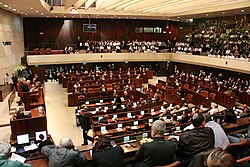
The political leadership is divided between the President, who serves as the head of state, and the Prime Minister, who serves as the head of government. As of the current data, the President is Isaac Herzog and the Prime Minister is Benjamin Netanyahu.
Legal and Administrative Divisions
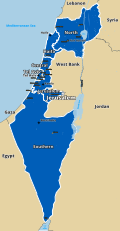
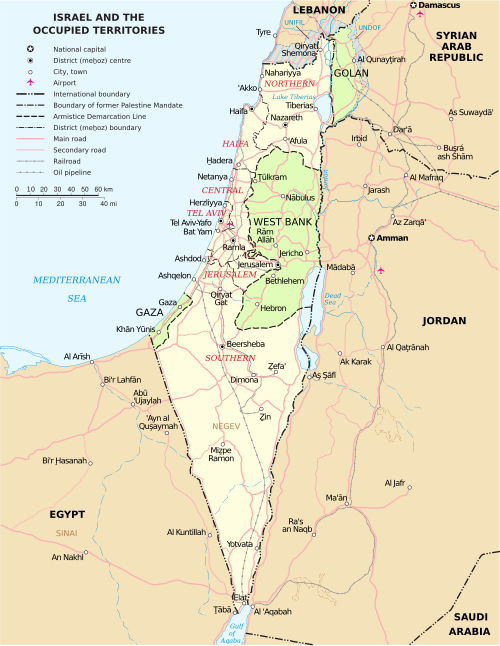
The country is divided into several administrative districts, including Jerusalem, North, Haifa, Center, Tel Aviv, Southern, and Judea and Samaria. Each district manages varying demographic compositions and urban centers.
Demographics and Society
Israel is a diverse nation with a multi-ethnic and multi-religious population. The demographic makeup is characterized by a significant Jewish majority, alongside a substantial Arab minority and other ethnic groups.
Ethnic and Religious Composition
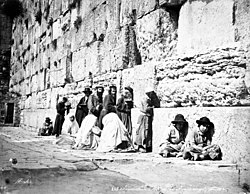
Based on recent estimates, the population is approximately 71.9% Jewish and 21% Arab, with the remaining 7.1% comprising other groups. This diversity is reflected in the religious landscape, where Judaism is the largest faith, followed by Islam, Christianity, and the Druze faith.
Language and Culture
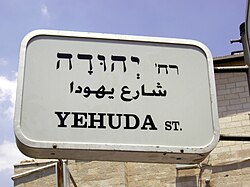
While Hebrew is the primary official language, Arabic also holds special status. This linguistic duality is often visible in daily life, such as on public signage.
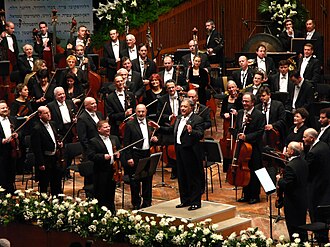
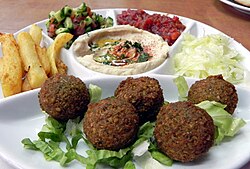
The culture is a rich blend of ancient traditions and modern influences, seen in everything from its world-class orchestras to its unique culinary offerings, such as falafel and hummus.
Economy and Innovation
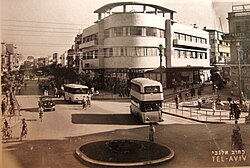
Israel possesses a highly developed economy, often recognized for its significant contributions to science, technology, and industry. The nation maintains a high Human Development Index (HDI), reflecting a very high standard of living.
Key Economic Sectors
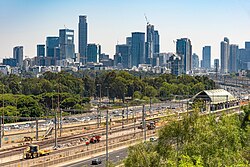
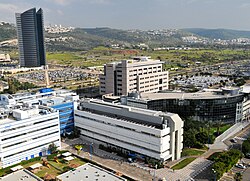
- High-Tech: Major hubs like the Diamond Exchange District and various high-tech parks drive innovation.
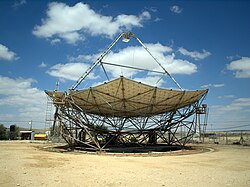
- Energy: Significant focus on solar energy and technological solutions for water scarcity.
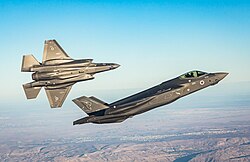
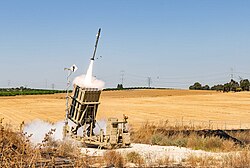
- Industry: A strong presence in defense technology and international trade.
Economic Indicators Summary
| Indicator | Value (Total) | Value (Per Capita) |
|---|---|---|
| GDP (PPP) | $609.411 billion | $59,095 |
| GDP (Nominal) | $719.848 billion | $69,804 |
Geography and Environment
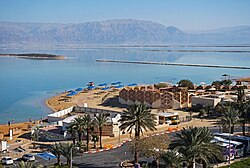
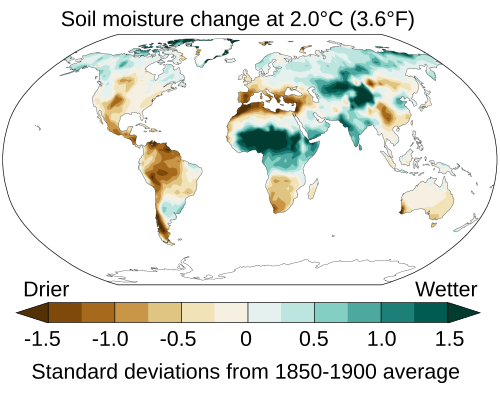
The geography of Israel ranges from coastal plains to mountainous regions and the desert landscapes of the south. However, the region faces significant environmental challenges, including water stress and the impacts of climate change.
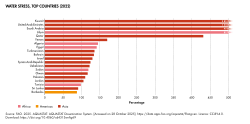
Water management is a critical priority, as the country has been identified as one of the most water-stressed nations globally. To combat this, Israel has invested heavily in desalination and advanced irrigation technologies.
Frequently Asked Questions

What is the official language of Israel?
Hebrew is the primary official language, while Arabic is granted special status within the country.
How is the government of Israel structured?
Israel is a unitary parliamentary republic. The legislature is known as the Knesset, and the government is led by a Prime Minister.
What are the major religious groups in Israel?
The largest religious group is Judaism, followed by Islam, Christianity, and the Druze faith.
What is the currency used in Israel?
The official currency of Israel is the New shekel (ILS).
What are some of the major cities in Israel?
Some of the largest and most prominent cities include Jerusalem, Tel Aviv, Haifa, Petah Tikva, and Rishon LeZion.