Union of South American Nations (UNASUR)
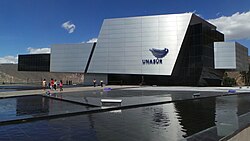
The Union of South American Nations, commonly known as UNASUR, is a continental union established to foster integration and cooperation among the sovereign states of South America. With the motto "Soy del Sur" (I am from the South), the organization was designed to create a unified regional voice, enhancing political, social, and economic ties across the continent.
From its inception, UNASUR aimed to coordinate regional policies on everything from infrastructure and health to defense and citizen security, operating as a platform for dialogue and collective action independent of external influence.
Key Facts
- Established: Formed via the Cusco Declaration (2004) and the Constitutive Treaty (2008).
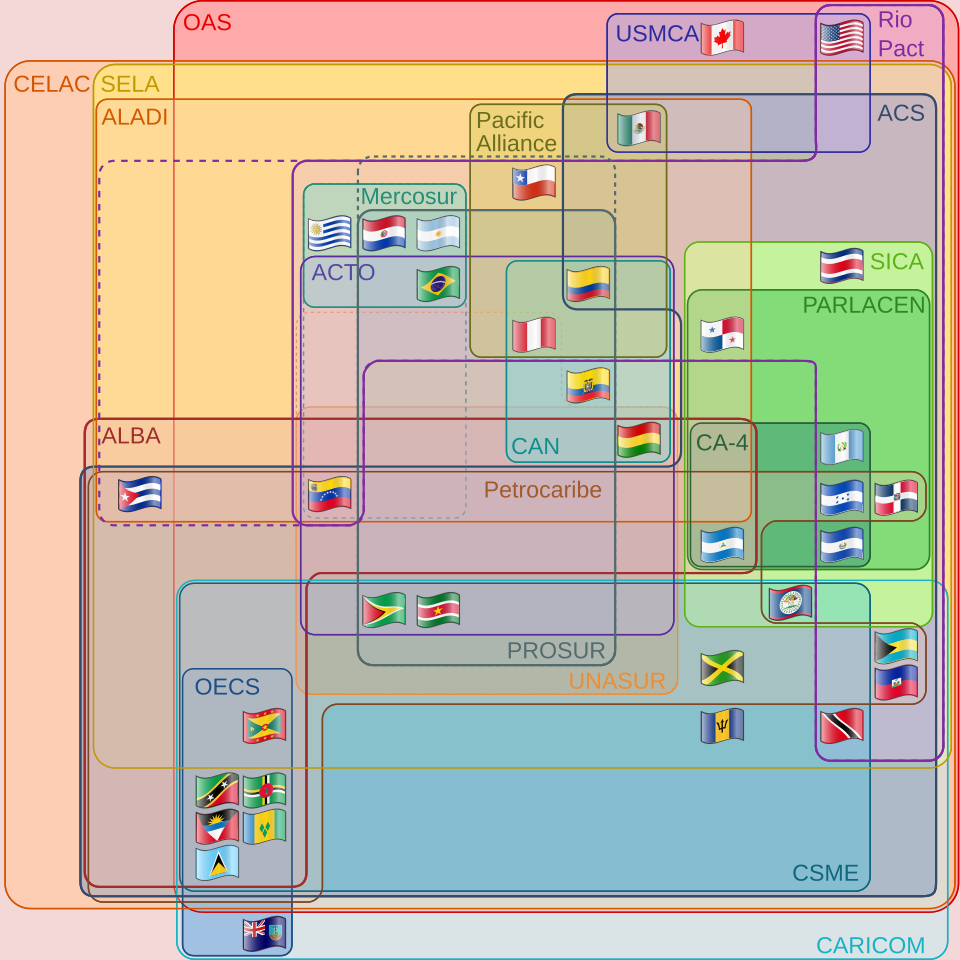
- Member States: Includes Argentina, Bolivia, Brazil, Colombia, Guyana, Peru (suspended), Suriname, and Venezuela.
- Official Languages: Spanish, Portuguese, English, and Dutch.
- Key Institutions: The South American Parliament (Cochabamba, Bolivia) and the Bank of the South.
- Scope: Covers a vast maritime area, with Exclusive Economic Zones totaling approximately 29,884,548 km².
History and Formation
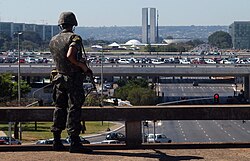
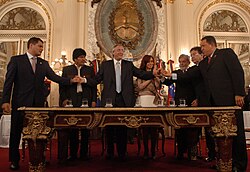
The foundations of UNASUR were laid on December 8, 2004, with the Cusco Declaration. This initial agreement set the stage for a more formal structure, which culminated in the signing of the Constitutive Treaty on May 23, 2008, in Brasília. The treaty officially entered into force on March 11, 2011.
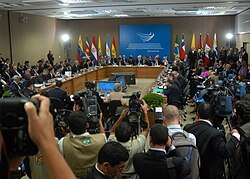
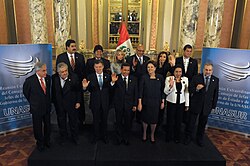
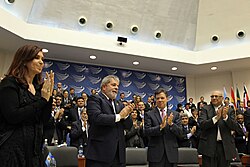
The organization's early years were marked by high-level diplomatic activity, including several summits hosted by member nations to align regional goals. These meetings focused on creating a cohesive bloc capable of managing internal crises and promoting sustainable development.
Leadership and Governance
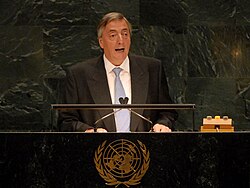
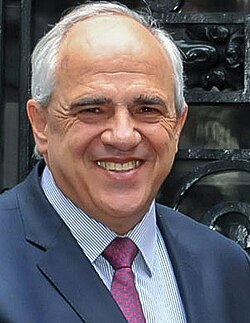
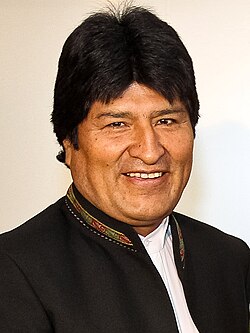
UNASUR is governed by a rotating Presidency pro tempore and a Secretary General. The first Secretary General was Néstor Kirchner of Argentina, followed by leaders from Colombia and Venezuela. The presidency has rotated through various heads of state, including Michelle Bachelet of Chile and Evo Morales of Bolivia.
Organizational Structure
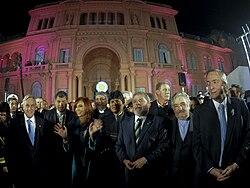
The union operates through a complex system of councils and specialized bodies designed to address specific regional challenges. The primary governing body is the Council of Heads of State and Government.
Ministerial Councils
To ensure technical and political coordination, UNASUR established several specialized councils, including:
- South American Defense Council: Focused on regional security and defense cooperation.
- South American Energy Council: Coordinating energy policies and resources.
- South American Council of Health: Managing public health initiatives through the South American Institute of Government in Health (ISAGS).
- Other Councils: Dedicated to education, culture, science, technology, infrastructure, and the fight against drug trafficking.
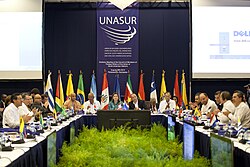
Key Institutions
Beyond the councils, UNASUR created permanent institutions to provide legislative and financial autonomy. The South American Parliament is headquartered in Cochabamba, Bolivia, while the Bank of the South was established to provide an alternative source of financing for regional development projects.
Regional Demographics and Economy
The member states of UNASUR represent some of the world's largest urban centers and economic assets. Major metropolitan areas such as São Paulo and Buenos Aires serve as primary hubs for the region's commerce and culture.
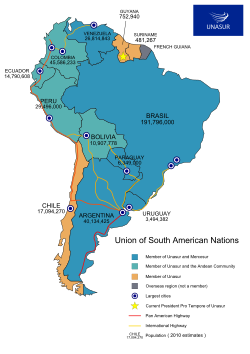
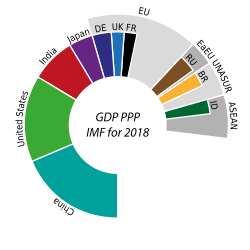
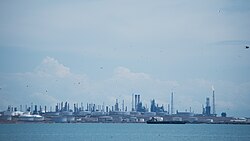
Economically, the region is characterized by diverse currencies and significant industrial capacity, exemplified by the Paraguaná Refinery Complex, one of the largest refinery capacities globally.
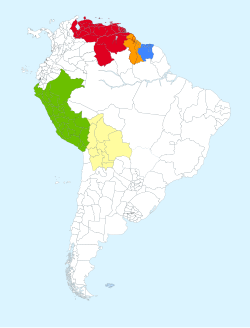
The region's demographic profile is predominantly Christian, with Roman Catholicism being the most prevalent faith in countries like Bolivia and Venezuela, while Guyana and Suriname show a more diverse religious landscape.
Summary of UNASUR Member State Data
| Member State | Official Language(s) | Currency | Major City |
|---|---|---|---|
| Argentina | Spanish | Peso | Buenos Aires |
| Bolivia | Spanish | Boliviano | La Paz/Sucre |
| Brazil | Portuguese | Real | São Paulo |
| Colombia | Spanish | Peso | Bogotá |
| Guyana | English | Dollar | Georgetown |
| Peru | Spanish | Sol | Lima |
| Suriname | Dutch | Dollar | Paramaribo |
| Venezuela | Spanish | Bolívar | Caracas |
Challenges and Leadership Crisis
In recent years, UNASUR has faced significant instability. Political divergences led to a leadership crisis, resulting in several countries renouncing the treaty or suspending their membership. Nations including Colombia, Brazil, Argentina, and Ecuador have experienced periods of withdrawal or suspension due to disagreements over the organization's direction and its handling of regional political crises.
Frequently Asked Questions
What is the primary purpose of UNASUR?
UNASUR was created to promote the political, social, and economic integration of South American nations, allowing them to coordinate policies and resolve regional conflicts independently.
Where is the South American Parliament located?
The South American Parliament is located in Cochabamba, Bolivia.
Which countries are members of UNASUR?
The member states include Argentina, Bolivia, Brazil, Colombia, Guyana, Peru, Suriname, and Venezuela, though some have faced periods of suspension or withdrawal.
What is the Bank of the South?
The Bank of the South is a financial institution established by UNASUR member states to provide funding for regional development and reduce dependence on external lenders.
What are the official languages of the union?
The official languages are Spanish, Portuguese, English, and Dutch, reflecting the linguistic diversity of the South American continent.