Turkmens: History, Language, and Legacy of the Oghuz Turks
The Turkmens (also known as Turkomans) represent a pivotal branch of the Turkic peoples whose migrations and state-building activities reshaped the map of Central Asia, the Middle East, and the Caucasus. Originally emerging from the Oghuz tribal confederation, the Turkmens transitioned from nomadic warriors to the architects of some of history's most influential empires.
The term "Turkmen" itself evolved from an exonym—a name given by outsiders—into an endonym, a name used by the people themselves. By the 10th century, Islamic sources began using the term to distinguish Oghuz Turks who had converted to Islam from those who remained Tengrist or Buddhist. This identity became firmly established by the 13th century, marking a cultural and religious shift that would define their trajectory for millennia.
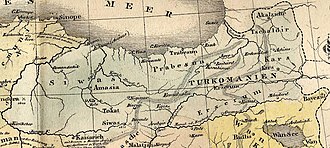
Key Facts
- Origins: Descended from the Oghuz Turks, specifically the Oghuz Yabgu confederation.
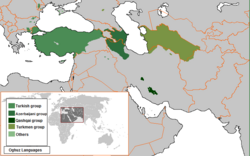
- Languages: Speak Oghuz Turkic languages, including modern Turkish, Azerbaijani, and Turkmen.
- Religion: Predominantly Islam, encompassing Sunni, Alevi, Bektashi, and Twelver Shia traditions.
- Geographic Reach: Significant populations across Central Asia, the South Caucasus, and the Middle East.
- Historical Impact: Founded major dynasties including the Seljuk and Ottoman Empires.
Etymology and Early History
The first written record of the term "Turkmen" appears in the late 10th century in the works of the Arab geographer al-Muqaddasi. While primarily associated with the Oghuz, some historians suggest that other Turkic groups, such as the Karluks, may have also been referred to as Turkomans. The Oghuz Yabgu, a large tribal confederation established in the 8th century, occupied the strategic lands between the Aral and Caspian seas.
The rise of the Seljuqs in the 11th century marked a turning point. Rallying around the Qinik tribe, these Muslim Oghuz people expanded their influence from Mawarannahr into the Near East. To consolidate power, Seljuk sultans established military settlements across Syria, Iraq, and Eastern Anatolia.
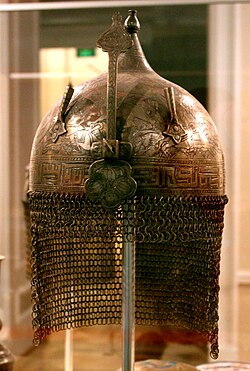
The Migration to Anatolia
Following the Battle of Manzikert, the Oghuz settled extensively throughout Azerbaijan and Anatolia. Contemporary accounts from the 12th century, such as those by the Persian writer al-Marwazi, describe the Turkmens as noble, strong, and persistent warriors, attributing their military prowess to their nomadic lifestyle.
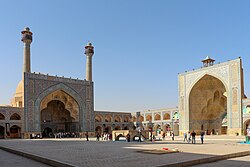
Language and Literature
The linguistic heritage of the Turkmens is rooted in the Oghuz group of Turkic languages. One of the most significant early forms was Old Anatolian, introduced during the Seljuk expansion. This language served as a bridge between the eastern Oghuz languages (like modern Turkmen and Khorasani Turkic) and western Oghuz languages (like Turkish and Azerbaijani).
A primary example of this linguistic distinction is the word for "to be/become"; the Old Anatolian bol- is still found in modern Turkmen, whereas modern Turkish uses ol.
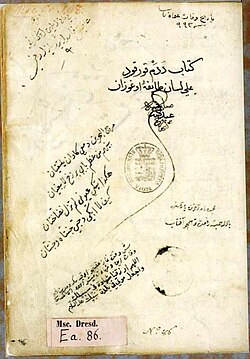
In terms of literature, the Book of Dede Korkut stands as a monumental heroic epic. It reflects the historical past and artistic values of the Oghuz, serving as a shared cultural touchstone for modern Turks, Azerbaijanis, and Turkmens.
Evolution of Identity in the Modern Era
As the Middle Ages progressed, the term "Turkmen" in Anatolia was gradually replaced by "Ottoman." The ruling class of the Ottoman Empire identified as such until the 19th century. However, with the rise of European-style nationalism, the term "Turk" was adopted as a broader national identity, while "Turkmen" continued to be used in specific regional or tribal contexts.
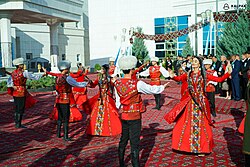
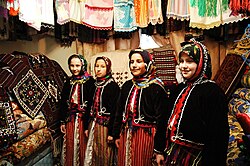
Today, the term remains a self-identifier for various groups, including the semi-nomadic Terekime of Azerbaijan and the citizens of Turkmenistan.
Turkoman Dynasties and States
The political legacy of the Turkmens is evidenced by the numerous dynasties they established across Eurasia.
| Dynasty/State | Period | Notes |
|---|---|---|
| Seljuq Empire | 1037–1194 | Founded by the Qinik tribe |
| Ottoman Empire | c. 1299–1922 | One of history's longest-lasting empires |
| Qara Qoyunlu | 1374–1468 | "Black Sheep" Turkoman confederation |
| Aq Qoyunlu | 1378–1508 | "White Sheep" Turkoman confederation |
| Safavid Iran | 1501–1736 | Significant Turkoman military influence |
| Afsharid Iran | 1736–1796 | Founded by Nader Shah |
| Qajar Iran | 1789–1925 | Final dynasty of Iran before the Pahlavis |
Frequently Asked Questions
What is the difference between Oghuz and Turkmen?
Oghuz refers to the broader Turkic tribal confederation. "Turkmen" was originally a term used to describe the Oghuz who had converted to Islam, eventually becoming the primary name the group used for themselves.
Which modern languages are derived from Oghuz Turkic?
The primary modern languages belonging to the Oghuz branch are Turkish, Azerbaijani, and Turkmen.
How did the Turkmens influence the Middle East?
Through the establishment of powerful states like the Seljuk and Ottoman Empires, the Turkmens introduced new military strategies, administrative structures, and a strong Islamic identity to the region.
What is the significance of the Book of Dede Korkut?
It is an ancient heroic epic that provides an artistic reflection of the historical past and cultural values of the Oghuz people, linking modern Turkic-speaking nations.
Where are Turkmen populations found today?
They are primarily located in Central Asia (Turkmenistan), the South Caucasus (Azerbaijan), and the Middle East (Turkey, Iraq, and Iran).