Kazakhstan: A Comprehensive Overview of the Central Asian Powerhouse
The Republic of Kazakhstan is a vast, landlocked nation in Central Asia, serving as a critical bridge between Europe and Asia. Known for its sweeping steppes, rich mineral deposits, and a complex history of nomadic empires and Soviet influence, Kazakhstan has emerged as a dominant economic and political force in the region since gaining independence in 1991.
Key Facts
![Padishah (Emperor) of Dast-i Qipchaq, (1550). Possible portrait of Kazakh khan.[53]](/images/f5/c5/f5c534c96042cb374e074da038a39effdd72bae91919dbd1024f4c52242e43a6.jpg)
- Capital: Astana
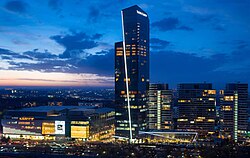
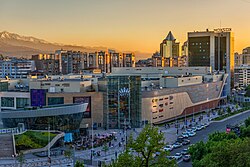
- Largest City: Almaty
- Official Languages: Kazakh and Russian
- Total Area: 2,724,910 km² (9th largest in the world)
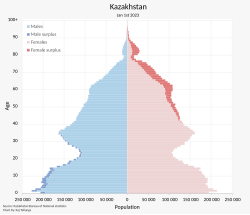
- Population: Approximately 20.5 million (2026 estimate)
- Currency: Tenge (₸)
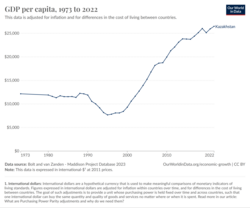
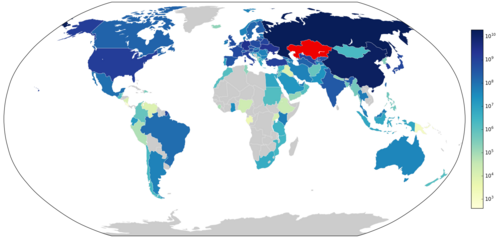
- GDP (PPP): $993.672 billion (2026 estimate)
History and Formation
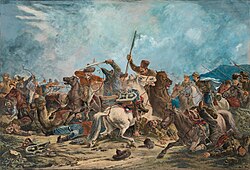
Kazakhstan's history is rooted in the movements of Turkic peoples. Early antiquity saw the rise of the Turkic Khaganate and the Cuman-Kipchak period, followed by the era of the Mongol Empire and the Golden Horde. The Kazakh Khanate, formed around 1465, laid the foundation for the modern Kazakh identity.
![Funerary depiction of long-haired Göktürks in the Kazakh Steppe. Miho funerary couch, c. 570 CE.[45]](/images/8a/73/8a733ad051406afaa0f284d19faee624741be4e7c9f21c7e5665ac5aea842720.jpg)
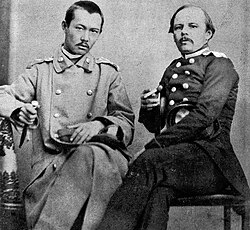
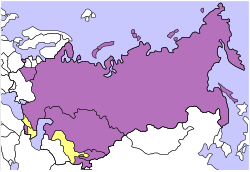
The 19th and 20th centuries were marked by Russian expansion and subsequent Soviet rule. The region transitioned through several administrative stages, including the Alash Autonomy (1917), the Kazakh ASSR (1920), and the Kazakh SSR (1936). Kazakhstan finally achieved independence from the Soviet Union on December 16, 1991.
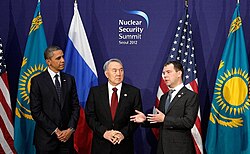
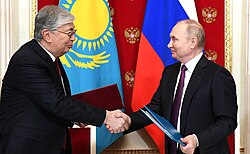
Following independence, the nation underwent significant political evolution, moving from the long-term leadership of Nursultan Nazarbayev to the current presidency of Kassym-Jomart Tokayev.
Geography and Climate
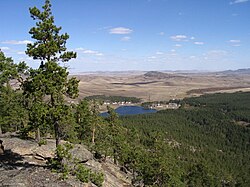
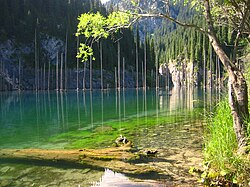
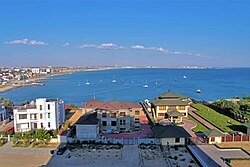
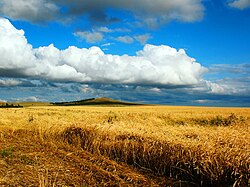
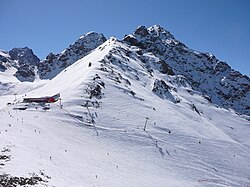
Kazakhstan is characterized by diverse landscapes, most notably the Kazakh Steppe—a massive expanse of grassland. The country also features the rugged Tien Shan mountains in the southeast and the shores of the Caspian Sea to the west.
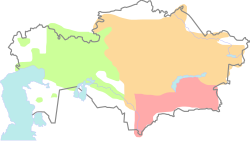
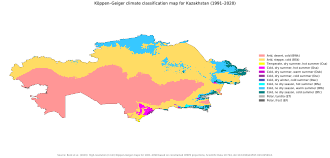
The climate is primarily continental, resulting in extreme temperature variations between summer and winter. While cities like Almaty experience milder conditions, the capital, Astana, is known for its harsh, freezing winters.
| City | July High/Low (°C) | January High/Low (°C) |
|---|---|---|
| Almaty | 30 / 18 | 0 / -8 |
| Astana | 27 / 15 | -10 / -18 |
| Şymkent | 32 / 17 | 4 / -4 |
| Qarağandy | 27 / 14 | -8 / -17 |
Economy and Infrastructure
Kazakhstan possesses one of the most robust economies in Central Asia, driven largely by its immense natural resources. It holds some of the largest proven oil and gas reserves in the Caspian Sea region, alongside significant deposits of uranium and other minerals.
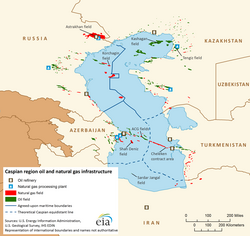
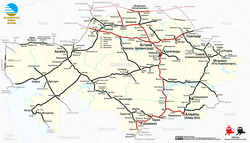
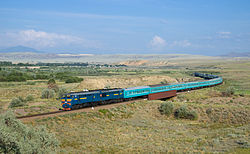
Beyond energy, the country is a major producer of grain, utilizing its vast fertile lands for agriculture. To support these industries, Kazakhstan has developed an extensive railway network and the strategic seaport of Aqtau on the Caspian Sea.
Science and Technology
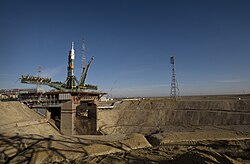
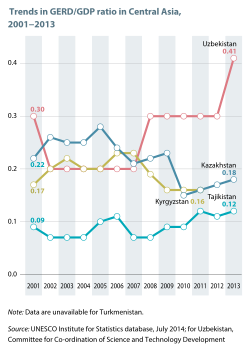
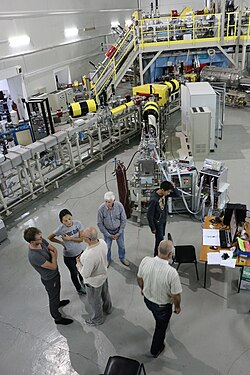
The nation is globally recognized for the Baikonur Cosmodrome, the world's oldest and largest operational spaceport. Additionally, Kazakhstan invests in high-tech research and physics, collaborating internationally to advance its scientific capabilities.
Society and Culture
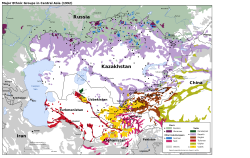
Kazakhstan is a multi-ethnic state. While ethnic Kazakhs make up the majority (71.5%), the population includes significant Russian, Uzbek, and Ukrainian minorities. This diversity is reflected in the official use of both Kazakh and Russian languages.
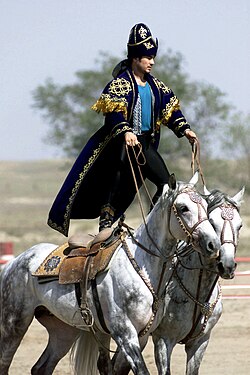
Religion is predominantly Islam (69.3%), followed by Christianity (17.2%). The culture is a blend of nomadic traditions—such as a deep equestrian heritage—and modern urban influences.
UNESCO World Heritage Sites
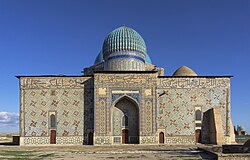
The country boasts five UNESCO World Heritage sites, highlighting its historical and natural significance:
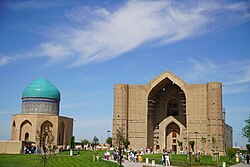
- Mausoleum of Khoja Ahmed Yassaui (Cultural)
- Petroglyphs of Tamgaly (Cultural)
- Silk Roads: Chang'an-Tianshan Corridor (Cultural)
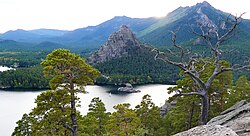
- Saryarka - Steppe and Lakes of Northern Kazakhstan (Natural)
- Western Tien Shan (Natural)
Government and Foreign Relations
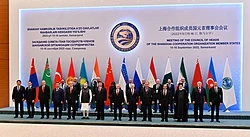
Kazakhstan is a unitary semi-presidential republic. Its foreign policy emphasizes humanitarian diplomacy, environmental protection, and the maintenance of international peace. The nation is a member of several key international organizations, including the United Nations, the WTO, and the Shanghai Cooperation Organization.
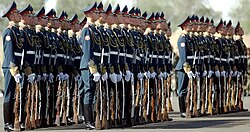
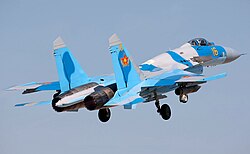
In terms of security, Kazakhstan is a member of the Collective Security Treaty Organization (CSTO) and maintains a professional military force, including the Republican Guard and advanced aerial capabilities.
Frequently Asked Questions


What are the official languages of Kazakhstan?
The official languages are Kazakh and Russian, reflecting the country's ethnic diversity and its historical ties to the Soviet Union.
What is the primary driver of Kazakhstan's economy?
The economy is heavily driven by the extraction and export of natural resources, particularly oil, gas, and uranium from the Caspian Sea region.
Which city is the largest in Kazakhstan?
Almaty is the largest city, though Astana serves as the national capital.
What is the Baikonur Cosmodrome?
The Baikonur Cosmodrome is the world's oldest and largest operational spaceport, located in Kazakhstan.
How many UNESCO World Heritage sites are in Kazakhstan?
Kazakhstan has five UNESCO World Heritage sites: three cultural sites and two natural sites.