Almaty: The Southern Capital and Cultural Heart of Kazakhstan
Known affectionately as the "Apple City" or the "Big Apple," Almaty serves as the largest city in Kazakhstan and a primary hub of culture, finance, and education in Central Asia. Nestled against the dramatic backdrop of the Trans-Ili Alatau mountains, Almaty blends its rich nomadic heritage with Soviet-era urban planning and modern cosmopolitan ambition.
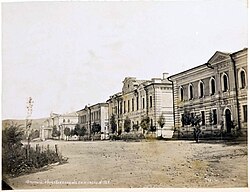
From its early settlements dating back to 1000–801 BC to its formal foundation as Verny in 1854, the city has evolved into a sprawling metropolis of republican significance. Today, it is recognized not only for its economic power but also for its high Human Development Index (HDI), ranking first in the country.
Key Facts
- Population: Estimated 2.35 million (as of January 1, 2026), the largest in Kazakhstan.
- Economy: Nominal GDP of KZT 29,241 billion (approx. US$ 61.406 billion).
- Geography: Elevations range from 500 m to 1,700 m.
- Climate: Humid continental (Dfa) with significant seasonal variation.
- Global Standing: Home to the largest airport in Kazakhstan and a major center for higher education.
History and Evolution
Almaty's history is a tapestry of ancient settlements and strategic colonial growth. While the region was inhabited as early as the 1st millennium BC, the modern city began to take shape with the foundation of Verny in 1854 and its subsequent incorporation as a city in 1867.
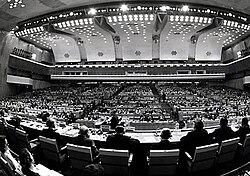
During the Soviet era, Almaty underwent rapid industrialization and urban development. It became a center for administrative power and a focal point for international diplomacy, most notably hosting the 1978 International Conference on Primary Health Care, which resulted in the Alma-Ata Declaration.
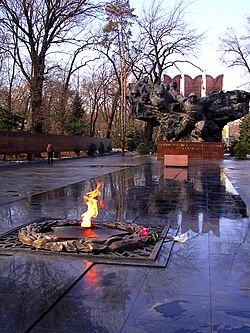
The city also played a significant role during World War II, a period commemorated today by the "Feat" monument in the Park of the 28 Panfilov Guardsmen.
Geography and Climate
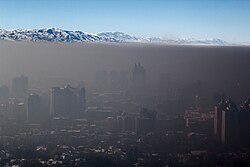
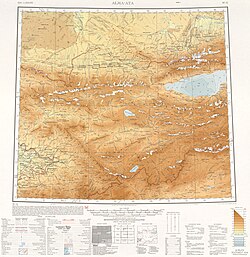
Almaty is characterized by its unique topography, situated in a valley that creates a distinct microclimate. The city experiences a humid continental climate, with hot summers and cold winters. However, its geography also leads to a phenomenon known as temperature inversion, where smog and pollutants become trapped near the ground, affecting air quality.
The region is also seismically active. Historical records note significant catastrophes in 1807 and 1887, reminding residents of the city's proximity to active fault lines.
Culture and Landmarks
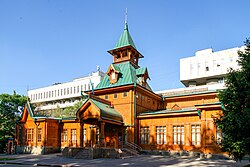
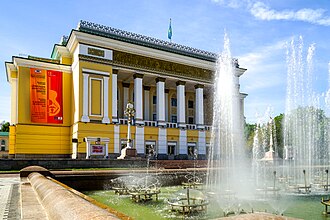
Almaty is the artistic soul of Kazakhstan, boasting a wide array of theaters, museums, and architectural marvels. The Abay Opera House and the Central State Museum of Kazakhstan are pillars of the city's intellectual life.
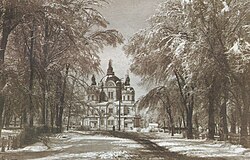
One of the city's most striking landmarks is the Ascension Cathedral. Located in Panfilov Park, this 19th-century Russian Orthodox cathedral is distinguished as the fourth tallest wooden building in the world.
![Ascension Cathedral, a 19th-century Russian Orthodox cathedral located in Panfilov Park, is the fourth tallest wooden building in the world.[72]](/images/fc/30/fc305ad34589167a57db0d3984c0c137f4558a6b4e0a1e7f0dbec8ca68b967ef.jpg)
Recreation and Nature
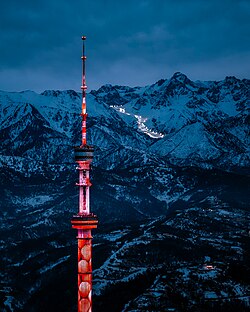
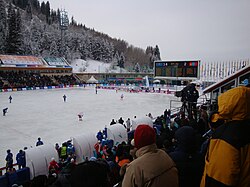
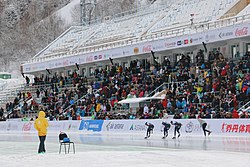
Nature is deeply integrated into the Almaty experience. Kök Töbe hill offers a panoramic view of the city and is accessible via a scenic cable car. For sports enthusiasts, Medeu, a high-altitude ice skating rink, and the Shymbulak ski resort are world-class destinations.
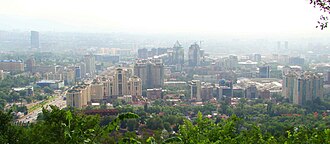
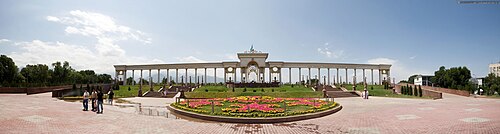
Other notable sites include the First President's Park, the Almaty Botanical Garden, and the serene Big Almaty Lake.
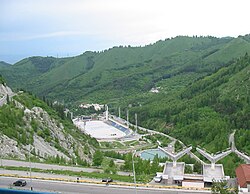
Economy and Infrastructure
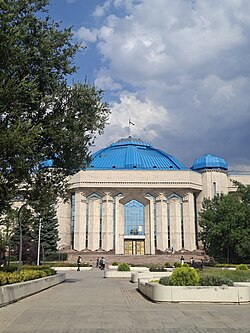
As a "City of Republican Significance," Almaty is the economic engine of Kazakhstan. It leads the nation in nominal GDP and per capita income, supported by a robust service sector and international trade.
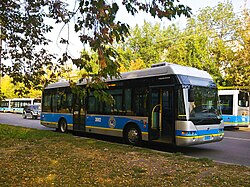
The city's infrastructure is modern and diverse, featuring a metro system, an extensive trolleybus network, and the Almaty International Airport, the largest in the country.
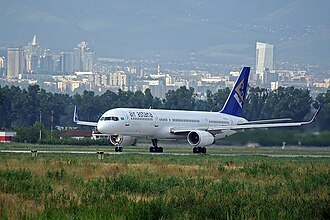
Education is another cornerstone of the city, with prestigious institutions such as Al-Farabi Kazakh National University and KIMEP University attracting students from across the region.
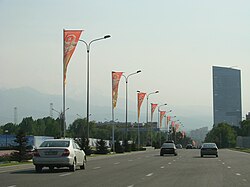
Demographics and Society
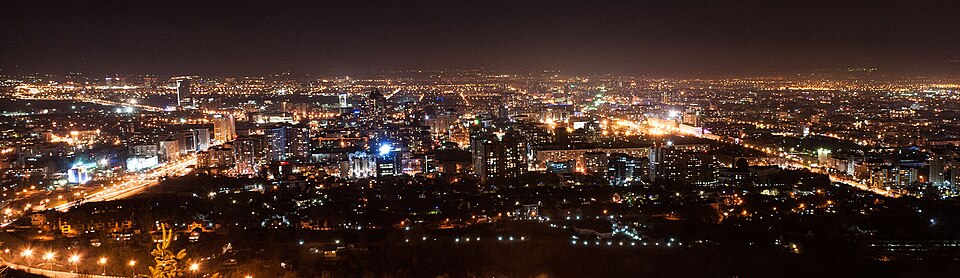
Almaty is a multicultural melting pot. While Kazakhs form the majority (approximately 64%), the city has significant populations of Russians, Uyghurs, Koreans, and Tatars. This diversity is reflected in the city's religious landscape, where Islam is the predominant faith, followed by Christianity.
| Ethnic Group | 2021 Population | 2021 % | 2025 Population | 2025 % |
|---|---|---|---|---|
| Kazakhs | 1,286,229 | 63.35% | 1,471,393 | 64.19% |
| Russians | 429,898 | 20.48% | 428,952 | 18.75% |
| Uyghurs | 112,753 | 5.55% | 122,390 | 5.34% |
| Koreans | 36,632 | 1.80% | 39,211 | 1.71% |
| Tatars | 30,449 | 1.50% | 31,435 | 1.37% |
Frequently Asked Questions
What is the meaning of the name Almaty?
Almaty is often associated with apples, earning it nicknames like the "Apple City" or "Big Apple," reflecting the region's historical connection to the origin of the domestic apple.
What is the climate like in Almaty?
The city has a humid continental climate (Dfa). It features hot summers with record highs reaching 41.7°C and cold winters with record lows as low as -37.7°C.
Which is the tallest wooden building in Almaty?
The Ascension Cathedral, located in Panfilov Park, is a 19th-century Russian Orthodox cathedral and is the fourth tallest wooden building in the world.
What are the main tourist attractions in Almaty?
Key attractions include the Medeu ice skating rink, Shymbulak ski resort, Kök Töbe hill, the Ascension Cathedral, and the First President's Park.
Is Almaty the capital of Kazakhstan?
While it is the largest city and often called the "Southern Capital," it is a city of republican significance and a major economic hub, though the official national capital is Astana.