Theobald von Bethmann Hollweg: The Chancellor of the German Empire
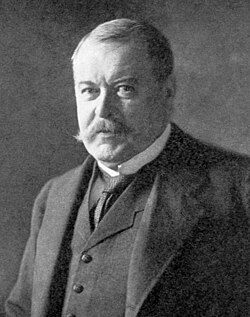
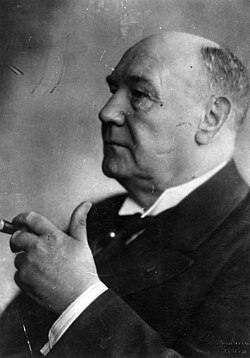
Theobald von Bethmann Hollweg was a pivotal figure in early 20th-century European history, serving as the Imperial Chancellor of the German Empire from 1909 to 1917. His tenure was defined by the immense challenge of navigating Germany through the outbreak and the first three years of World War I. A politician known for his conciliatory style and independent streak, Bethmann Hollweg attempted to balance the demands of a powerful military establishment with the complexities of international diplomacy.
Born in 1856 in Hohenfinow, Kingdom of Prussia, Bethmann Hollweg rose rapidly through the Prussian government. His early experiences in the Reichstag—the German imperial parliament—left him disillusioned with the party system, leading him to remain a political independent throughout his career. This independence, combined with his measured approach, made him an attractive choice for Emperor Wilhelm II.
Key Facts
- Role: Imperial Chancellor of Germany (1909–1917).
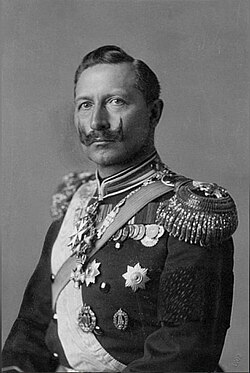
- Monarch: Served under Emperor Wilhelm II.
- Key Conflict: Oversaw Germany's entry into and early conduct of World War I.
- Political Stance: An independent who favored a parliamentary monarchy and cautious liberalization.
- Downfall: Forced to resign in July 1917 due to pressure from military leaders Hindenburg and Ludendorff.
Early Career and Rise to Power
Before becoming Chancellor, Bethmann Hollweg held several high-ranking positions, including Vice-Chancellor of Germany (1907–1909) and Reich State Secretary of the Interior. He was a proponent of "organic further development" regarding the political structure of the state. In 1908, he advised Emperor Wilhelm II to announce electoral reforms in the Kingdom of Prussia, though these reforms were not fully realized until after the war in 1918.
Domestic Policy and Liberalization
As Chancellor, Bethmann Hollweg sought to move Germany away from the "rule of slogans" toward a more educated political discourse. He attempted to reform Prussia's restrictive three-class electoral law, though this was rejected by the Landtag (the Prussian state parliament). However, he successfully pushed through the reform of the constitutional status of Alsace–Lorraine in 1911, granting the region a bicameral parliament with universal manhood suffrage for its lower house.
Foreign Policy and the Path to War
Bethmann Hollweg's foreign policy was characterized by a desire to avoid a general European conflict. By late 1913, he felt a sense of optimism following the Treaty of Bucharest and stabilized relations with Russia. However, this confidence was shaken in 1914 by a British-Russian naval agreement, which complicated Germany's strategic position.
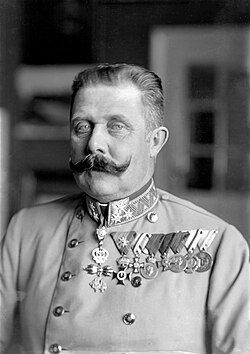
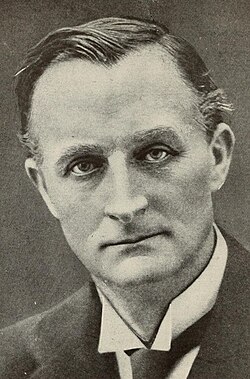
The assassination of Archduke Franz Ferdinand on June 28, 1914, abruptly ended the Chancellor's summer vacation and plunged Europe into the July Crisis. While he sought to "muddle through" without major conflict, the momentum toward war became unstoppable.
The Challenges of World War I
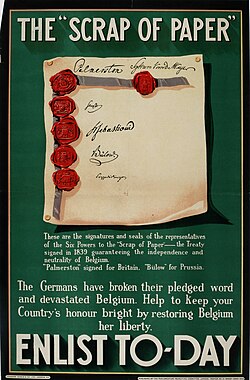
Unlike many of his contemporaries, Bethmann Hollweg remained largely detached from the patriotic fervor known as the "spirit of 1914." He viewed the invasion of Belgium as an "injustice" and described the occupied territories of Belgium and France as a pledge (Faustpfand)—a rhetorical strategy intended to prevent premature annexationist claims and keep the Social Democrats aligned with the Empire.
Strategic Missteps and Internal Conflict
In 1915, Bethmann Hollweg attempted to prevent Italy from joining the Entente Powers by proposing that Prussia cede two districts in Silesia to Austria-Hungary, which would then allow Austria to make territorial concessions to Italy. This proposal was dismissed by his colleagues as "un-Prussian," and Italy subsequently declared war on Austria-Hungary in May 1915.
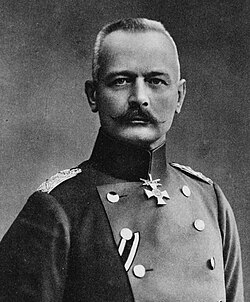
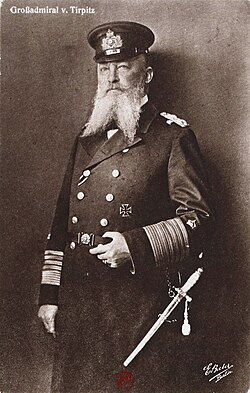
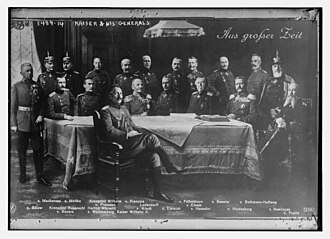
Throughout the war, he faced increasing opposition from annexationists and military hardliners. He was particularly pressured by figures like Grand Admiral Alfred von Tirpitz, who viewed the Chancellor as too weak to secure a "German peace."
The Rise of the Military Dictatorship
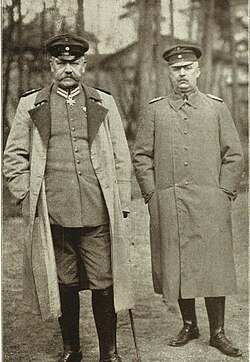
As the war progressed, power shifted toward the military leadership of Paul von Hindenburg and Erich Ludendorff. The tension between the civilian government and the military high command reached a breaking point in 1917.
Resignation and Final Years
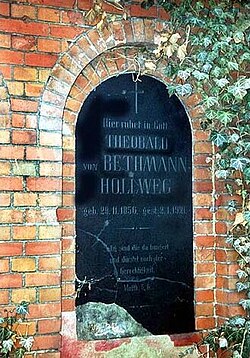
In July 1917, Ludendorff and Hindenburg issued an ultimatum to Emperor Wilhelm II, threatening to resign unless Bethmann Hollweg was removed. To avoid a public dismissal, the Chancellor submitted his resignation on July 13, 1917. He spent his remaining years in retirement, publishing his reflections on the war before passing away on January 1, 1921.
| Period | Position | Key Focus/Outcome |
|---|---|---|
| 1907–1909 | Vice-Chancellor | Prussian electoral reform initiatives |
| 1909–1917 | Imperial Chancellor | Management of WWI and domestic liberalization |
| 1911 | Chancellor | Constitutional reform of Alsace–Lorraine |
| 1917 | Chancellor | Resignation due to military pressure |
Frequently Asked Questions
Why did Bethmann Hollweg resign in 1917?
He resigned after General Erich Ludendorff and Field Marshal Paul von Hindenburg threatened to resign unless he was removed from office, effectively forcing the Emperor's hand.
What was the "pledge" (Faustpfand) strategy?
It was a rhetorical device used by the Chancellor to describe occupied territories in Belgium and France. By calling them a "pledge," he hoped to avoid immediate annexationist demands and maintain political support from the Social Democrats.
How did Bethmann Hollweg view the invasion of Belgium?
He admitted that the invasion was an "injustice to Belgium," a confession of wrongdoing that he maintained throughout his life and during the 1919 war guilt inquiry.
What were his views on the German government structure?
Bethmann Hollweg was a firm believer that a parliamentary monarchy was the most suitable form of government for Germany and cautiously supported the liberalization of the political system.
Did he successfully reform the Prussian electoral system?
No. While he proposed reforms to the three-class electoral law in 1910, they were rejected by the Prussian state parliament (Landtag).