The 11th Century: A Global Era of Scientific Triumph and Political Shift
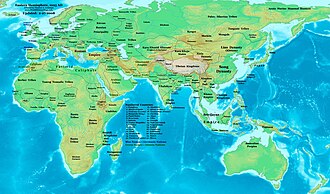
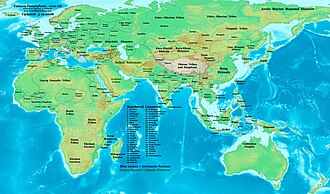
The 11th century (1001–1100) served as a pivotal bridge in human history, marking the transition into the High Middle Ages in Europe and reaching a zenith of intellectual achievement in East Asia and the Islamic world. It was a period defined by dramatic contradictions: while religious schisms and territorial wars redrew the maps of the West, scholars in the East were pioneering the foundations of modern optics, geomorphology, and printing.
From the rise of Norman domination in Europe to the sophisticated administrative reforms of the Song dynasty in China, this century reshaped the political and scientific landscape of the Eastern Hemisphere.
Key Facts
- The Great Schism (1054): The formal split between the Roman Catholic Church in the West and the Eastern Orthodox Church in the East.
- Scientific Peaks: The era saw the high point of classical Islamic science and Chinese technology, including the invention of ceramic movable type.
- Norman Expansion: The Normans established significant control over England (1066) and Sicily (1061–1091).
- Economic Innovation: The world's first paper-printed money appeared in Sichuan, China, around 1024.
- The First Crusade: The century concluded with the launch of the Crusades, including the Siege of Jerusalem in 1099.
European Transformations: The High Middle Ages
In Europe, the 11th century moved away from the instability of the Early Middle Ages. This era was characterized by the Gregorian Reforms and the emergence of the Peace and Truce of God movements, which sought to limit feudal violence and revitalize the papacy.
One of the most enduring legacies of this period was the Great Schism of 1054. This event formalized a long-developing divide between the Latin West and the Byzantine East, creating a religious separation that persists to this day.

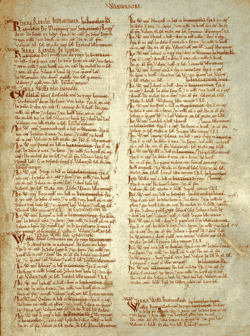
Politically, the century witnessed the decline of Byzantine influence and the aggressive rise of the Normans. The Norman Conquest of England in 1066 fundamentally altered the trajectory of British history, as documented in the Domesday Book.
The Crusades and Religious Zeal
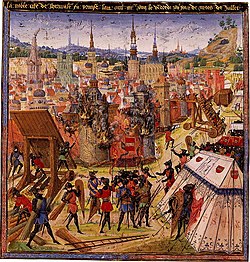
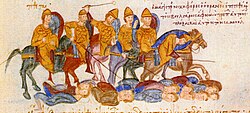
Toward the end of the century, the papacy's influence grew, culminating in the First Crusade. This movement led to significant military engagements, including the Sieges of Nicaea and Antioch, and the eventual Siege of Jerusalem in 1099.
The Golden Age of Song China and the Islamic World
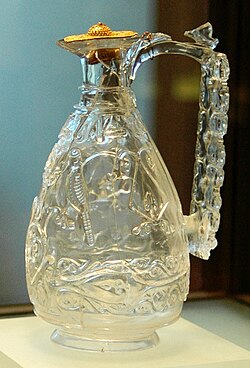
While Europe navigated feudal shifts, the Song dynasty in China and the classical Islamic world experienced a golden age of science, philosophy, and literature.
Chinese Innovation and Governance
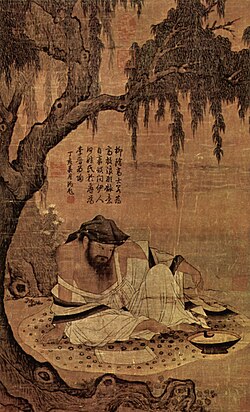
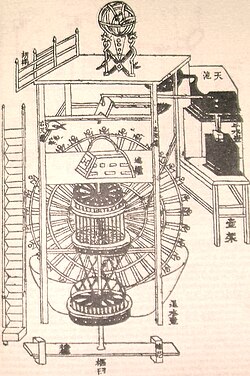
The Song dynasty was a powerhouse of technology. Between 1041 and 1048, the artisan Bi Sheng invented ceramic movable type printing, revolutionizing the spread of knowledge. The empire also saw the introduction of the "New Policies" under Chancellor Wang Anshi, which implemented low-cost loans for farmers and reformed the imperial examination system to favor practical skills over poetry.
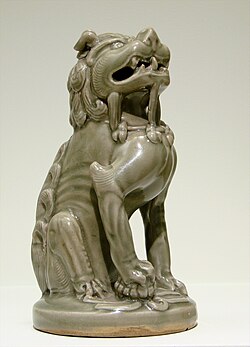
Environmental adaptation was also key; the Chinese iron industry transitioned from charcoal to bituminous coal to prevent massive deforestation.
Islamic Intellectual Mastery
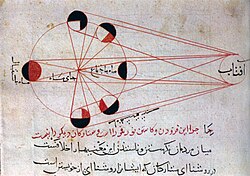
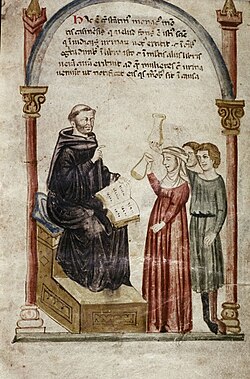
The Islamic world remained the global center for scientific inquiry. In Egypt, the Iraqi physicist Ibn al-Haytham (Alhazen) wrote the influential Book of Optics while under house arrest, laying the groundwork for modern optics. Simultaneously, the Persian scholar Avicenna authored the Book of Healing, a massive scientific and philosophical encyclopedia.
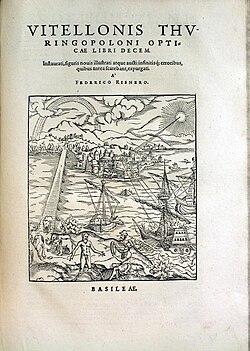
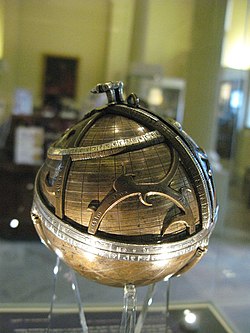
Astronomy also flourished, with the development of the universal latitude-independent astrolabe by Al-Zarqālī and the detailed lunar studies of al-Bīrūnī.
Global Architecture and Art
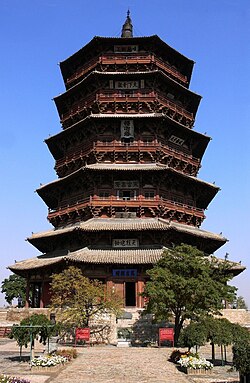
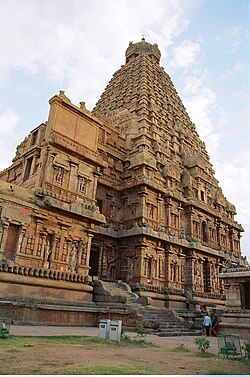
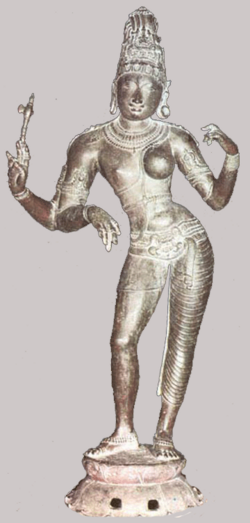
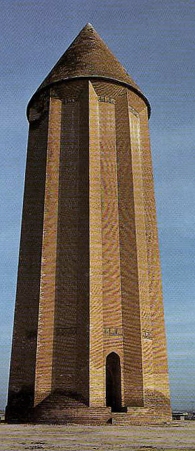
The 11th century left a permanent mark on the world's skyline. In India, the Chola dynasty completed the magnificent Brihadeeswarar Temple in 1010. In the Islamic world, the Gonbad-e Qabus Tower in Iran (1006) and the domes of the Jamé Mosque of Isfahan (1086) showcased advanced engineering.
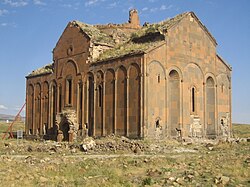
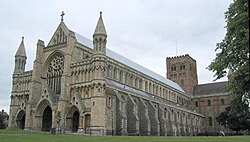
In Europe, the completion of St Albans Cathedral (1089) and the construction of the Ani Cathedral in Armenia (c. 1001–1010) reflected the era's spiritual devotion and architectural ambition.
Summary of 11th Century Milestones
| Region | Major Political Event | Key Scientific/Cultural Achievement |
|---|---|---|
| Europe | Norman Conquest of England (1066) | Establishment of University of Oxford (1096) |
| China | Song Dynasty 'New Policies' | Invention of ceramic movable type (1041-1048) |
| Islamic World | Rise of the Seljuks | Ibn al-Haytham's Book of Optics |
| India | Chola Empire expansion | Completion of Brihadeeswarar Temple (1010) |
Frequently Asked Questions
What was the Great Schism of 1054?
The Great Schism was the formal break between the Western Roman Catholic Church and the Eastern Orthodox Church, resulting from long-standing political and theological differences between Rome and Constantinople.
Who was Ibn al-Haytham and why is he important?
Ibn al-Haytham was an Iraqi physicist working in Egypt who wrote the Book of Optics. He is credited with pioneering the scientific method and fundamentally changing the understanding of how vision and light work.
How did the Song dynasty change printing?
Between 1041 and 1048, Bi Sheng invented movable type printing using individual ceramic characters, which allowed for more efficient text production than traditional woodblock printing.
What was the significance of the Norman Conquest in 1066?
The Norman Conquest saw William the Conqueror take control of England, merging Norman-French culture with Anglo-Saxon traditions and fundamentally altering English law, language, and architecture.
What were the 'New Policies' in Song China?
Introduced by Chancellor Wang Anshi, these were socio-economic reforms including government monopolies on salt and tea, low-interest loans for farmers, and a shift toward practical bureaucracy in imperial exams.