Tannins: The Science of Astringent Polyphenols in Nature
Tannins, also known as tannoids, are a diverse class of astringent polyphenolic biomolecules. These compounds are characterized by their ability to bind to and precipitate proteins and other organic molecules, such as alkaloids and amino acids. Chemically, a tannin is defined as any large polyphenolic compound containing sufficient hydroxyl or carboxyl groups to form strong bonds with various macromolecules.
The name originates from the French word tan (crushed oak bark), reflecting the historical use of oak bark in the process of tanning animal hides into leather. This process utilizes the chemical properties of tannins to stabilize the protein structure of the skin.

In the natural world, tannins serve as a critical defense mechanism for plants, acting as pesticides to protect against predation and potentially regulating plant growth. For humans, tannins are responsible for the distinct dry, puckery sensation—known as astringency—experienced when consuming red wine, tea, or unripened fruit. Because tannins modify over time, their concentration is often used as a marker to determine the ideal harvesting time for various crops.
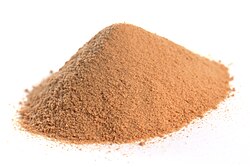
Key Facts
- Molecular Weight: Ranges from 500 daltons (gallic acid esters) to 20,000 daltons (proanthocyanidins).
- Primary Function: Acts as a plant defense mechanism against predators.
- Sensory Effect: Causes a dry, puckery feeling in the mouth (astringency).
- Chemical Action: Precipitates proteins and organic compounds.
- Distribution: Found across the plant kingdom in both gymnosperms and angiosperms.
Structure and Classification of Tannins
Tannins are categorized based on their base chemical scaffold and how they polymerize. The primary classes include hydrolyzable tannins, phlorotannins, and condensed tannins.
| Polymer Class | Base Unit / Scaffold | Primary Sources |
|---|---|---|
| Hydrolyzable Tannins | Gallic acid | Plants |
| Phlorotannins | Phloroglucinol | Brown algae |
| Condensed Tannins | Flavan-3-ol | Plants |
| Phlobatannins | C-ring isomerized condensed tannins | Tree heartwood |
Pseudo-tannins
Some compounds exhibit tannin-like properties but do not fit the strict definition of true tannins. These are referred to as pseudo-tannins. Examples include:
- Gallic acid: Found in rhubarb.
- Flavan-3-ols (Catechins): Found in tea, cocoa, acacia, catechu, and guarana.
- Chlorogenic acid: Found in coffee, mate, and nux-vomica.
- Ipecacuanhic acid: Found in Carapichea ipecacuanha.
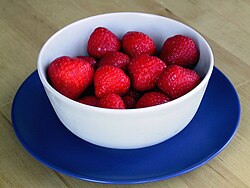
Occurrence and Distribution
Tannins are widely distributed throughout the plant kingdom. Research indicates their presence in 180 families of dicotyledons and 44 families of monocotyledons. However, the prevalence varies significantly by family:
- High Prevalence: Families such as Aceraceae, Ericaceae, and Grossulariaceae show high concentrations across tested species. In the oak family (Fagaceae), approximately 73% of tested species contain tannins.
- Moderate to Low Prevalence: In Mimosaceae (acacias), only 39% of species contain tannins. This drops to 6% in Solanaceae and 4% in Asteraceae.
- Absent: Families like Boraginaceae, Cucurbitaceae, and Papaveraceae contain no tannin-rich species.
Beyond plants, tannins are found in environmental water sources. For example, the Oparara River in New Zealand and waters draining from Freney Lagoon in Tasmania are tannin-rich, often giving the water a tea-like brown color. This is also seen in bog-wood, which stains aquarium water brown.
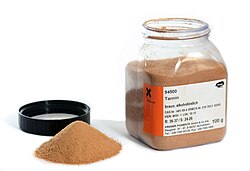
Analytical Testing for Tannins
Scientists use several chemical tests to identify and quantify tannins in plant samples.
The Ferric Chloride Test
This test identifies phenolics. A sample of powdered leaves is boiled in distilled water, and 5% ferric chloride (FeCl3) is added. The production of a greenish precipitate or a blue-green color indicates the presence of tannins.
The Hide-Powder Method
This method measures the ability of tannins to bind to proteins. Sample tannins are dissolved in water and mixed with chromated hide-powder. The percentage of tannin is determined by the weight gain of the hide-powder after filtration.
Stiasny's Method
This involves dissolving tannins in water and adding hydrochloric acid (HCl) and formaldehyde, followed by heating under reflux. The resulting precipitate is washed and dried to calculate the tannin yield as a percentage of the starting material.
Frequently Asked Questions
What causes the dry feeling in the mouth when drinking red wine?
This sensation is called astringency, which is caused by tannins binding to and precipitating the proteins in your saliva, reducing the lubrication in your mouth.
What is the difference between a true tannin and a pseudo-tannin?
True tannins are large polyphenolic compounds with enough hydroxyl or carboxyl groups to precipitate proteins. Pseudo-tannins, such as chlorogenic acid in coffee, share some properties but do not meet the full structural criteria of true tannins.
How do plants use tannins for survival?
Plants use tannins as a chemical defense mechanism. Because they are astringent and can interfere with digestion, they act as natural pesticides to discourage animals and insects from eating the plant.
What are the most common sources of tannins in food?
Tannins are commonly found in berries, pomegranates, nuts, legumes, chocolate, tea, coffee, and red wine.