Nectar: The Biological Sweetness Driving Ecosystems and Agriculture
Nectar is a viscous, sugar-rich liquid that serves as a vital energy source in the natural world. Produced by specialized glands known as nectaries, this substance plays a dual role in plant survival: it acts as a lure for pollinators and, in some cases, as a strategic tool for defense. From the fabled "drink of eternal life" in Greek mythology to its modern economic importance as the primary ingredient in honey, nectar is a cornerstone of biological interaction.
Key Facts
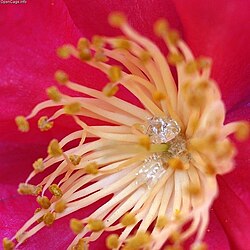
- Nectar is a sugar-rich liquid produced by nectaries in flowers or on other plant parts.
- Floral nectaries attract pollinators like bees, butterflies, and hummingbirds.
- Extrafloral nectaries attract predatory insects that protect the plant from herbivores.
- Nectar is primarily associated with flowering plants (angiosperms) but is also produced by some ferns.
- Nectar secretion levels vary based on flower age, habitat, and pollination status.
The Dual Nature of Nectaries
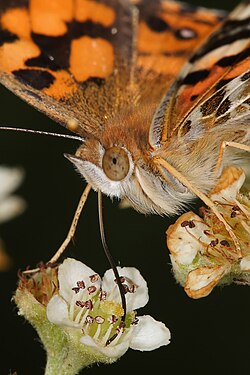
Plants utilize two distinct types of nectaries to achieve different ecological goals. The first type, floral nectaries, are located within the flower itself. Their primary purpose is to attract pollinators—ranging from insects like wasps and bees to vertebrates like bats and hummingbirds—ensuring the plant can reproduce through pollination.
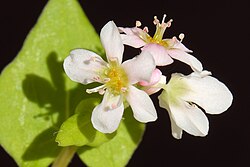
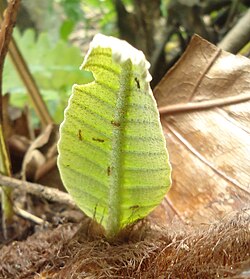
The second type, extrafloral nectaries, are located outside the flower. Rather than focusing on reproduction, these glands provide a nutrient source to animal mutualists. These animals, often predatory insects, act as "bodyguards" by consuming the nectar and, in return, defending the plant against herbivorous pests. This relationship is a classic example of biological mutualism.
Defense and Agricultural Benefits
The defensive role of extrafloral nectaries has significant implications for agriculture and horticulture. Many predatory or parasitoid wasps, such as the social wasp Apoica flavissima, rely on nectar as a primary food source. By attracting these wasps, plants can effectively recruit natural pest control, as the wasps hunt agricultural pests to feed their young.
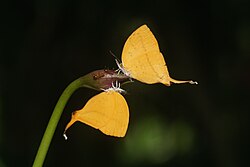
In certain species, such as tobacco plants, nectar can even contain proteins with antimicrobial and antifungal properties, helping to defend the plant's reproductive organs from pathogens.
Anatomy and Secretion of Nectar
Nectaries are not uniform; they can be found on various floral structures. Depending on the species, nectar may be secreted from the receptacle, petals, sepals, stamens, or even the ovaries. This diversity allows plants to tailor their nectar delivery to specific pollinators.
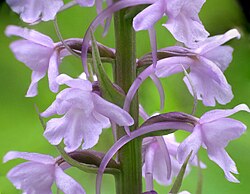
The process of secretion is dynamic. Nectar production often increases as a flower is visited by pollinators, and once pollination has occurred, the plant may reabsorb the nectar. The volume and concentration of nectar are influenced by several environmental factors, including the age of the flower, the plant's location, and local habitat management.
Evolutionary Origins and Diversity
While most commonly associated with angiosperms (flowering plants), nectar production is not exclusive to them. Interestingly, ferns have also been observed producing foliar nectaries. Research suggests that fern nectaries may have evolved approximately 135 million years ago, nearly coinciding with the rise of angiosperms.
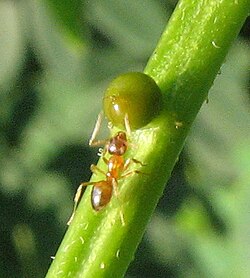
The distribution of extrafloral nectaries is vast, reported in over 3,941 species of vascular plants. While they are most prevalent among eudicots—particularly within the Fabaceae, Passifloraceae, and Malvaceae families—they have emerged through multiple independent evolutionary lineages, a process known as convergent evolution.
Summary of Nectary Functions
| Feature | Floral Nectaries | Extrafloral Nectaries |
|---|---|---|
| Primary Location | Within the flower | Outside the flower (leaves, stems, etc.) |
| Main Function | Attract pollinators for reproduction | Attract defenders (mutualists) |
| Typical Visitors | Bees, butterflies, birds, bats | Ants, wasps, predatory insects |
| Ecological Benefit | Successful pollination | Protection from herbivory |
Frequently Asked Questions
What is the difference between floral and extrafloral nectaries?
Floral nectaries are located inside the flower to attract pollinators for reproduction, whereas extrafloral nectaries are located on other parts of the plant to attract predatory insects that protect the plant from being eaten.
Do all plants produce nectar?
No. While many flowering plants (angiosperms) produce nectar, it is not universal. However, some ferns have also evolved the ability to produce nectar on their fronds.
How does nectar help plants defend themselves?
Through extrafloral nectaries, plants provide food for predatory insects like ants and wasps. These insects stay on the plant to feed and, in the process, eat or deter herbivores that would otherwise damage the plant.
Why is nectar important to humans?
Nectar is economically significant because it is the essential sugar source used by bees to produce honey. Additionally, the ability of nectar to attract predatory wasps makes it a valuable component in natural pest control for agriculture.
Can nectar be reabsorbed by the plant?
Yes. After a flower has been successfully pollinated, the plant frequently reabsorbs the nectar it has produced.