Cabernet Sauvignon: The King of Red Wine Grapes
Known globally for its structure, depth, and aging potential, Cabernet Sauvignon is one of the most influential wine grapes in history. From the gravelly soils of Bordeaux to the sun-drenched hills of Napa Valley, this variety has defined the standard for full-bodied red wines. Its ability to adapt to various climates while maintaining a distinct identity makes it a cornerstone of the international wine trade.
Key Facts
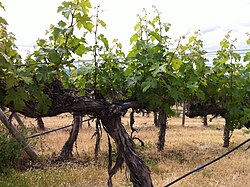
- Parentage: A chance crossing of Cabernet Franc and Sauvignon Blanc.
- Primary Characteristics: Dense, dark, and highly tannic.
- Ideal Soil: Gravel.
- Key Flavor Profiles: Ranges from vegetal (cool climate) to jammy (hot climate).
- Notable Regions: Bordeaux (France), Napa Valley (USA), Tuscany (Italy), and Coonawarra (Australia).
Origins and Genetic History
For centuries, the exact lineage of Cabernet Sauvignon remained a mystery. In 1996, a team led by Carole Meredith at the UC Davis Department of Viticulture and Enology used DNA typing to reveal that the grape is the offspring of Cabernet Franc and Sauvignon Blanc, likely resulting from a chance crossing in the 17th century.
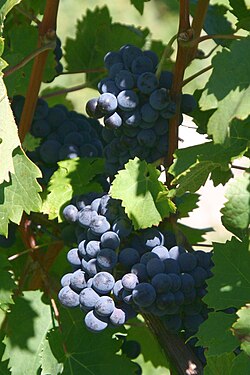
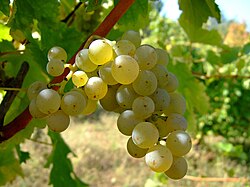
This genetic discovery explained why the grape shares aromatic similarities with both parents, such as the blackcurrant and pencil box notes of Cabernet Franc and the grassiness of Sauvignon Blanc. In 2016, UC Davis scientists sequenced the first draft of its whole genome. However, a 2026 study suggested that the berry color inheritance might actually align more closely with a Sauvignon gris lineage, highlighting the complex genetic relationship between these varieties.
Viticulture and Growth
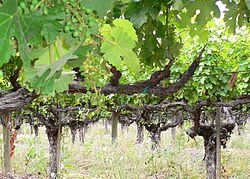
Cabernet Sauvignon is a vigorous vine, often producing high yields, especially when planted on SO4 rootstock. While high yields are efficient, they can lead to less concentrated flavors and a more herbaceous, "green" profile. To ensure premium quality, growers often employ green harvesting—the aggressive pruning of grape clusters after veraison (the onset of ripening)—to concentrate flavors in the remaining berries.
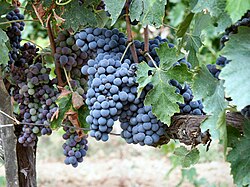
![Cabernet Sauvignon leaf. In cooler climate conditions, vines will focus more energy in producing foliage, which is needed to capture sunlight for photosynthesis, rather than ripening grapes. This makes canopy management and aggressive pruning an important consideration for growers.[13]](/images/2e/72/2e720e84c077951268df61e6fa1983a3de271f270c570bf8ce16dbc7a48635d6.jpg)
Climate plays a pivotal role in the grape's flavor profile. In cool climates, the wine often exhibits vegetal notes like bell pepper and asparagus. Medium climates bring out mint, black pepper, and eucalyptus, while hot climates result in rich, jammy flavors.
The Art of Winemaking
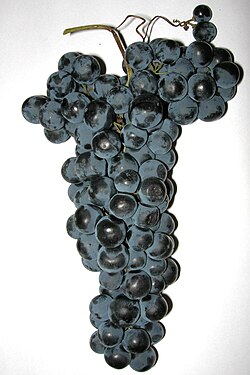
The Cabernet Sauvignon berry is small with a thick skin, resulting in a high 1:12 ratio of seed to pulp. This anatomy provides a high concentration of phenols and tannins (compounds that create a drying sensation in the mouth), which give the wine its famous structure.
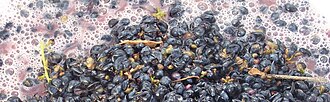
A critical step in production is maceration, the period where the grape skins remain in contact with the juice. Long maceration periods, traditionally three weeks in Bordeaux, extract more tannins and color, creating wines that require years of aging. Conversely, shorter maceration periods produce more approachable, fruit-forward wines. Fermentation typically occurs at high temperatures, up to 30°C (86°F), to extract deeper colors and complex flavors.
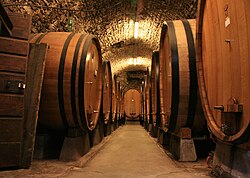
Cabernet Sauvignon also has a strong affinity for oak. The size of the barrels used can significantly alter the final product; for example, the large oak barrels used in Tuscany provide less wood contact, resulting in a more subtle oak influence.
Global Wine Regions
Bordeaux and France
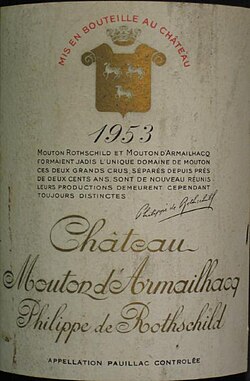
Bordeaux is the spiritual home of Cabernet Sauvignon, where figures like Armand d'Armailhac and Baron Hector de Brane were instrumental in its establishment. The region's gravelly soils are ideal for the variety, producing some of the world's most prestigious classified estates.
Italy and the "Super Tuscans"
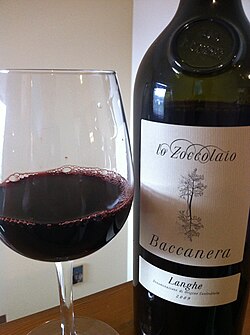
Introduced to Piedmont in 1820, the grape later became the center of a revolution in Tuscany. In the 1970s, winemakers began ignoring restrictive DOC regulations—which required white grapes in Chianti blends—to create Super Tuscans. These wines blended Cabernet Sauvignon with Sangiovese to produce higher-quality, more competitive wines.
Spain and the New World
In Spain, Cabernet Sauvignon is often blended with Tempranillo, particularly in the Penedès and Ribera del Duero regions. In the New World, California has become a powerhouse. The 1976 Judgment of Paris catapulted Californian Cabernet into the spotlight when Stag's Leap Wine Cellars beat top Bordeaux estates in a blind tasting.
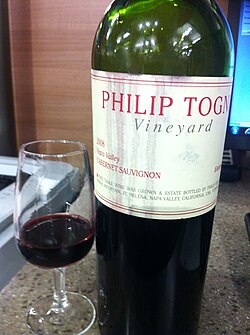
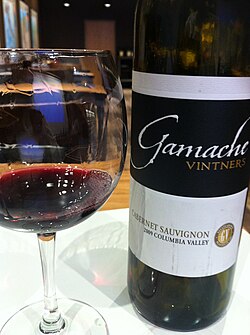
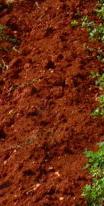
California's style varies by terrain: hillside vineyards in Napa produce smaller berries and more intense, age-worthy wines, while valley floors yield more fruit-forward styles. Other notable New World regions include Washington State's Columbia Valley and Australia's Coonawarra, where the free-draining terra rosa soil creates a unique, minty style.
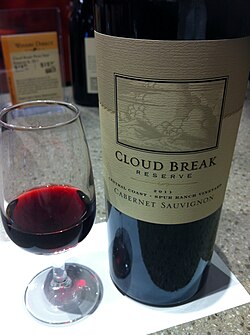
Summary of Regional Characteristics
| Region | Typical Soil | Key Flavor Notes | Style Profile |
|---|---|---|---|
| Bordeaux | Gravel | Blackcurrant, Pencil Box | Structured, Age-worthy |
| Tuscany | Various | Black Cherry, Blackcurrant | Balanced, High Acidity |
| Napa Valley | Volcanic/Hillside | Strong Black Fruit | Full-bodied, Ripe |
| Coonawarra | Terra Rosa | Intense Fruit, Mint | Tightly Structured |
Food Pairing
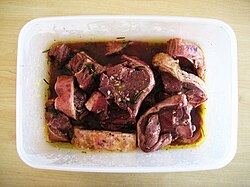
Due to its high tannin content, Cabernet Sauvignon pairs exceptionally well with fatty red meats, such as lamb. The proteins and fats in the meat help negate the astringency of the tannins, creating a balanced palate.
Frequently Asked Questions
What are the parent grapes of Cabernet Sauvignon?
DNA typing has confirmed that Cabernet Sauvignon is a cross between Cabernet Franc and Sauvignon Blanc, though some recent studies suggest a possible link to Sauvignon gris.
Why does some Cabernet Sauvignon taste like green bell pepper?
This "vegetal" flavor is typically a result of the grapes being grown in cooler climates, where they may not reach full ripeness.
What is a "Super Tuscan" wine?
Super Tuscans are wines from Tuscany that originally broke traditional DOC laws by blending Cabernet Sauvignon with Sangiovese and omitting the required white grape varieties.
How does maceration affect the wine?
Maceration is the period of skin contact. Longer maceration extracts more tannins and color, leading to a more structured wine that requires aging, while shorter periods produce a softer, more immediate wine.
Which soil is considered ideal for this grape?
Gravelly soils are generally considered ideal, as seen in the premier vineyards of Bordeaux, as they provide the necessary drainage and heat retention for the vines.