Viticulture: The Science and Art of Grape Cultivation
Viticulture (from the Latin vitis cultura) is the specialized branch of horticulture dedicated to the cultivation and harvesting of grapes. Often used interchangeably with viniculture, it encompasses the entire process of growing the vines that provide the raw materials for winemaking. While the common grape vine, Vitis vinifera, originated in a region spanning from Western Europe to the Persian shores of the Caspian Sea, its remarkable adaptability has allowed viticulture to flourish on every continent except Antarctica.
The practice of growing grapes is an ancient one, with evidence of domestication dating back at least 8,000 years in modern-day Georgia and Armenia. One of the most significant archaeological finds is the "Areni-1" cave in Vayots Dzor, Armenia, which dates to approximately 4100 BC and contained a complete winery setup, including fermentation vats, a wine press, jars, and cups.
Key Facts
- Global Reach: Most wine-producing regions are located between 30° and 50° latitude in both hemispheres.
- Ideal Temperature: High-quality crops generally require an average yearly temperature of around 15 °C (59 °F).
- Terroir: The combination of climate, slope, and soil that defines a grape's inherent qualities.
- Sun and Rain: Vines typically need 1,300–1,500 hours of sunshine and roughly 690 mm (27 in) of annual rainfall.
- Ancient Roots: The oldest known winery dates back to 4100 BC in Armenia.
The Anatomy of the Grape Vine
Understanding the structure of the vine is essential for effective management. From the ground up, the vine consists of fender roots and primary roots, which provide anchorage, absorb nutrients, and store food. The trunk supports the plant and branches into arms that facilitate conduction.
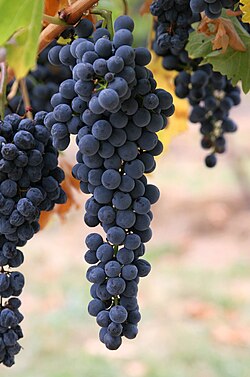
Higher up the plant, the structure includes nodes, internodes, leaves, and tendrils—specialized organs that help the vine climb and secure support. The fruit grows in clusters, which can be long (loose) or short (compact). Depending on the species, these clusters may ripen collectively or individually.
The Biology of the Grape Berry
Botanically classified as a berry, each grape is attached to the rachis via a pedicel; the rachis serves as the primary conduit for water and nutrients. Pollination typically results in one to four seeds per berry, though seedless varieties are produced when fertilization does not occur, making them ideal for raisin production.
The skin, which makes up 5% to 20% of the grape's weight, is critical for winemaking. It contains the majority of the tannins and aromatic substances. Tannins are particularly vital during the ripening stage, as they help determine the color and body of the final wine.
The Fundamentals of Growing Vines
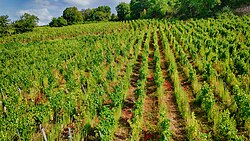
The quality of a harvest is primarily determined by the terroir, a term encompassing three critical environmental factors: climate, slope, and soil.
Climate and Temperature
Climate is the most influential external factor. Because each variety has specific preferences, selecting the right strain for a local environment is crucial. Temperature variations significantly impact the harvest:
- Hot and Sunny Climates: These regions have frost-free seasons of 200+ days, leading to faster ripening, higher sugar levels, and lower acidity.
- Cooler Climates: With frost-free seasons of 150–160 days, grapes ripen more slowly, resulting in a fresher, more acidic profile.
Ideal summer temperatures average around 22 °C (72 °F) to facilitate ripening, while winter temperatures should average around 3 °C (37 °F) to allow the vine to enter its necessary resting phase.
Soil and Slope
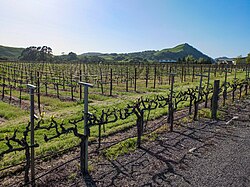
Soil quality directly impacts root health and overall vine survival. The most favorable conditions include loose texture, good aeration, moderate fertility, and, most importantly, effective drainage. Poor drainage can restrict root growth, leading to lower yields and a shorter plant lifespan.
Vineyard Management and Hazards
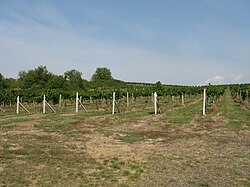
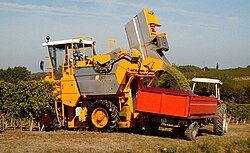
A viticulturist's role is multifaceted, involving winter pruning, irrigation, fertilizing, and canopy management. They must also monitor fruit development and decide the precise moment of harvest, often working closely with winemakers to ensure the grapes meet specific characteristics.
Environmental Hazards
Vines are susceptible to various threats depending on their growth stage. During flowering, strong winds and hail can be devastating. Temperature extremes can cause specific physiological issues:
- Millerandage: Caused by cold temperatures, resulting in seedless berries of varying sizes.
- Coulure: Caused by excessive heat, leading to underdeveloped clusters or berries dropping from the vine.
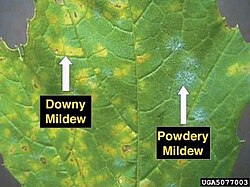
Other significant threats include frost, pests, plant viruses, and phylloxera (a microscopic aphid that attacks vine roots). Fungal issues, such as downy and powdery mildew, are also common, especially if heavy rain occurs during harvest.
Advanced Cultivation Techniques
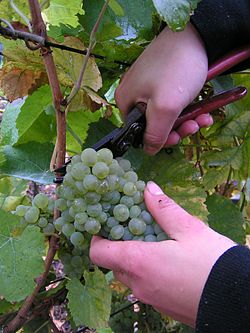
To improve quality, viticulturists may employ a green harvest, which involves removing immature grape bunches. This forces the vine to direct its energy into the remaining fruit, enhancing ripening and flavor concentration.
Another traditional approach is the field blend, where different grape varieties are grown together in the same vineyard and harvested simultaneously. While modern fermentation tanks make individual lot blending more common, some historic vineyards, such as those in Sonoma County (Zinfandel) or the Douro and Alsace regions, still utilize field blends.
Sustainability in Viticulture
Since the late 1990s, there has been a shift toward sustainable production to ensure future generations can continue farming. This includes integrated viticulture, organic-biological viticulture, and biodynamic viticulture, all of which aim to reduce environmental impact while maintaining crop health.
| Factor | Ideal Requirement / Condition | Impact on Grape |
|---|---|---|
| Annual Mean Temp | ~15 °C (59 °F) | Optimal overall quality |
| Summer Temp | ~22 °C (72 °F) | Facilitates fruit ripening |
| Winter Temp | ~3 °C (37 °F) | Necessary resting phase |
| Sunshine | 1,300–1,500 hours/season | Essential for sugar development |
| Rainfall | ~690 mm (27 in)/year | Hydration (best in winter/spring) |
| Soil | Loose, well-drained | Strong root systems and survival |
Frequently Asked Questions
What is the difference between viticulture and viniculture?
Viticulture refers specifically to the science and practice of growing and harvesting grapes, whereas viniculture refers to the process of making wine from those grapes.
What is terroir and why does it matter?
Terroir is the combination of a vineyard's climate, soil composition, and slope. It is critical because these factors determine the unique characteristics, flavor profile, and quality of the grapes produced.
What happens during a green harvest?
A green harvest is the intentional removal of immature grape clusters. This reduces the overall yield but increases the quality of the remaining grapes by concentrating the vine's energy and nutrients.
How does climate affect the acidity of the grapes?
Cooler climates typically result in a shorter frost-free season, forcing grapes to ripen earlier and retain higher levels of acidity. In contrast, hot, sunny climates produce grapes with higher sugar levels and lower acidity.
What are the most dangerous pests or diseases for vines?
Some of the most significant threats include phylloxera, various plant viruses, and fungal infections like powdery and downy mildew, which can damage leaves and fruit.