Malbec: The Journey of the Inky Purple Grape from France to Argentina
Malbec is a striking purple grape variety of the Vitis vinifera species, prized for producing red wines with an inky, dark color and robust tannins. While it is recognized globally today as a powerhouse varietal, it also holds a prestigious place as one of the six permitted grapes in the traditional red Bordeaux blend. From its ancestral roots in France to its triumphant adoption in South America, Malbec has evolved into a symbol of both Old World tradition and New World innovation.
The grape is characterized by its thick skin and a requirement for significant sun and heat to reach full maturity. When grown correctly, it imparts a deep hue and a distinct plum-like flavor that adds complexity to blends. In some traditional regions, growers utilize the goblet system—cultivating the grapes as bush vines without trellises—to maintain low yields of approximately 6 tons per hectare, resulting in rich, juicy wines.
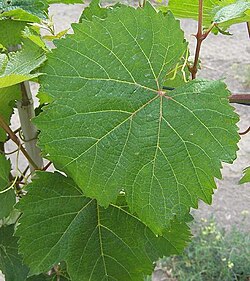
Key Facts
- Origin: France, with possible roots in northern Burgundy.
- Primary Characteristics: Inky dark color, robust tannins, and plum-like flavor profiles.
- Major Regions: Cahors (France) and Mendoza (Argentina).
- Vulnerabilities: Highly sensitive to frost and prone to coulure (shattering), where flowers fail to develop into berries.
- Blending: Frequently paired with Merlot, Cabernet Sauvignon, and Tannat.
The French Heritage and the Bordeaux Decline
Historically, Malbec was grown across 30 different departments in France, leading to a staggering list of over 1,000 local synonyms. While known as Malbec today, the variety was likely originally called Côt, and was referred to as Pressac in Bordeaux.
In France, the stronghold of the variety remains Cahors in the Southwest. Under Appellation Controlée regulations, Cahors wines must contain a minimum of 70% Malbec. While winemakers traditionally blended it with Merlot and Tannat, there is a growing trend toward 100% Malbec varietal wines.
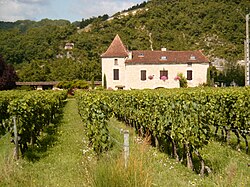
The grape's presence in Bordeaux declined sharply following a devastating frost in 1956 that killed 75% of the crops. This disaster prompted many growers to replant with more resilient varieties like Cabernet Franc and Merlot. Consequently, Malbec's footprint in Bordeaux has dwindled, with significant plantings now limited to areas such as Blaye, Entre-Deux-Mers, and the Côtes-de-Bourg.
The Rise of Argentine Malbec
While Malbec faded in parts of France, it found a second home in Argentina. Introduced in 1868 by French agricultural engineer Michel Pouget under the direction of Governor Domingo Faustino Sarmiento, the grape eventually became Argentina's national variety.
Argentine Malbec is distinct from its French ancestor; the clusters are smaller with tighter berries, suggesting a unique clone that may have disappeared in Europe. These wines are generally softer and less tannic than those from Cahors, offering a velvety texture and intense fruitiness.
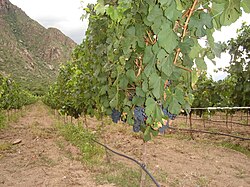
High-Altitude Viticulture in Mendoza
The most prestigious Argentine Malbecs come from the high-altitude regions of the Uco Valley and Luján de Cuyo in Mendoza. Situated in the Andes foothills between 800 and 1,500 meters, these vineyards benefit from unique climatic conditions. Vintner Nicolás Catena Zapata is credited with pioneering this approach, planting the Adrianna Vineyard at nearly 1,500 meters in 1994 and developing the first clonal selection of Argentine Malbec.
Global Cultivation and Regional Variations
Beyond France and Argentina, Malbec has established a presence in several other wine-growing regions:
- Chile: With approximately 2,361 hectares, Chile has a long history with the grape dating back to 1841. Recent years have seen the discovery of century-old vines in the Maule and Bio-Bio regions.
- United States: In California, Malbec is frequently used in Meritage (Bordeaux-style blends), with significant plantings in Napa, Sonoma, and Paso Robles. It is also grown in Washington State's Columbia Valley and parts of Oregon.
- Other Regions: Small-scale production exists in Australia, New Zealand, South Africa, Brazil, Italy, and Mexico.
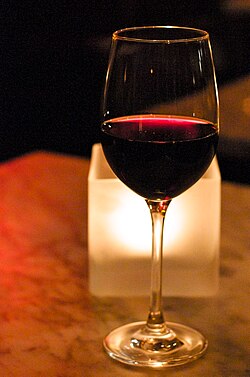
Wine Characteristics and Pairing
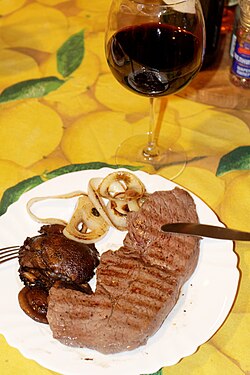
As a varietal wine, Malbec produces an intense, inky red or violet liquid. Because of its power, it is an excellent blending component to add color and fruit to claret blends. Its robust structure and dark fruit notes make it a classic companion for rich proteins.
| Region | Primary Style | Key Characteristics | Common Blends |
|---|---|---|---|
| Cahors, France | Traditional/Robust | High tannins, deep color | Merlot, Tannat |
| Mendoza, Argentina | Plush/Fruit-forward | Velvety texture, softer tannins | Often 100% Varietal |
| California, USA | Blending Component | Adds color and fruit | Meritage (Bordeaux-style) |
Frequently Asked Questions
What is the difference between French and Argentine Malbec?
French Malbec, particularly from Cahors, tends to be more tannic and structured. Argentine Malbec is generally softer, more plush in texture, and characterized by intense fruity flavors.
Why did Malbec decline in Bordeaux?
The decline was largely due to the grape's vulnerability to frost and vine ailments like downy mildew and coulure. A severe frost in 1956 destroyed 75% of the crop, leading growers to switch to other varieties.
What is the "goblet system" in Malbec viticulture?
The goblet system is a method of cultivating vines as low-lying bushes without the use of trellises. This is often used in traditional regions to limit yields and produce richer, darker wines.
What is Meritage?
Meritage is a term used primarily in the United States to describe Bordeaux-style blends that use a combination of grapes, often including Malbec, Cabernet Sauvignon, and Merlot.
How does altitude affect Malbec in Mendoza?
High-altitude planting (between 800m and 1500m) in the Andes foothills allows for distinct phenolic composition and flavor profiles, often resulting in higher-rated, more complex wines.