The Sweet Science of Nectar: How Plants Use Sugar to Survive and Thrive
The word "nectar" finds its roots in the Greek word nekthar, the legendary drink of eternal life. While the term has been used since approximately AD 1600 to describe the sweet liquid found in flowers, its biological role is far more complex than a simple sugary treat. Nectar is a viscous, sugar-rich liquid produced by plants in specialized glands called nectaries. It serves as a vital energy source for a wide array of animals, playing a crucial role in both plant reproduction and survival.
Beyond the natural ecosystem, nectar holds significant economic value, most notably as the primary sugar source for honey. It also provides unexpected benefits in agriculture and horticulture. For instance, certain predatory or parasitoid wasps, such as the social species Apoica flavissima, rely on nectar as a primary food source. By feeding on nectar, these wasps remain present in agricultural settings, where they hunt and control various pest insects, providing a natural form of pest management.
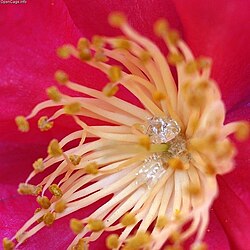
Floral Nectaries: The Reward for Pollination
Most nectar is produced within flowers, a group of plants known as angiosperms (flowering plants). These are called floral nectaries. Their primary purpose is to attract pollinators—animals that assist in the plant's reproduction. As these animals feed on the nectar, they brush against the plant's reproductive organs, such as the stamen (the male part) and the pistil (the female part), picking up or depositing pollen to facilitate fertilization.
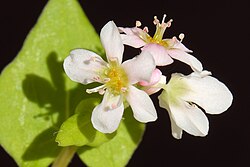
Nectaries are highly diverse and can be found on almost any part of a flower, including the petals, sepals, or even the ovaries. They can be categorized as structural nectaries, which are specific, permanent tissues, or non-structural nectaries, which secrete nectar infrequently from non-differentiated tissues. The specific location and type of nectary often coevolve with the specific pollinators the plant relies on.
The Role of Pollinators
A wide variety of creatures depend on floral nectar. Common pollinators include bees, wasps, butterflies, moths, hoverflies, and mosquitoes, as well as vertebrates like hummingbirds, honeyeaters, and bats. The diversity of nectar-seeking animals has driven the evolution of complex floral structures.
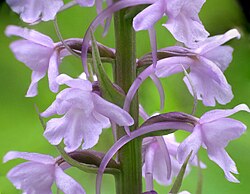
The Evolution of Nectar Spurs
To ensure that only the right pollinators access their reward, many flowering families have evolved nectar spurs. These are elongated projections formed from tissues like petals or sepals. The length and position of these spurs can act as a filter, determining which pollinators—such as long-tongued moths or birds—can reach the nectar, thereby ensuring efficient pollination.
Extrafloral Nectaries: Nature's Bodyguards
While floral nectaries focus on reproduction, extrafloral nectaries serve a different purpose: defense. These glands develop outside of the flower, often on leaves, stems, or fruits. They attract mutualists—animals that benefit the plant in exchange for food. Most commonly, these nectaries attract predatory insects like ants and wasps. These insects act as "bodyguards," protecting the plant from herbivory (the consumption of plant material by animals).
This relationship is also observed in some ferns, which produce foliar (leaf-based) nectaries. These fern nectaries appear to have evolved approximately 135 million years ago, nearly at the same time as angiosperms.
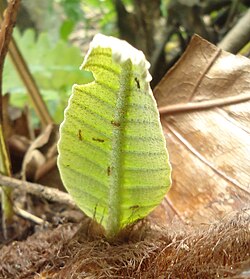
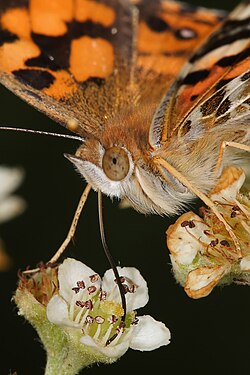
The interaction between plants and their insect protectors is highly specialized. In some environments, extrafloral nectaries can attract a combination of insects, such as both ants and butterflies, to the plant's buds.
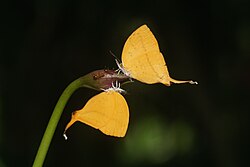
Genera such as Acacia, Passiflora, and Senna are prominent examples of plants that utilize extrafloral nectaries to recruit protective insect populations.
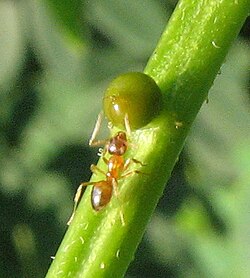
The Chemical Composition of Nectar
Nectar is much more than just sugar water. While its primary ingredients are sugars—specifically sucrose, glucose, and fructose—it also contains a complex cocktail of other compounds. These include water, amino acids, essential oils, and various ions.
Plants also use chemistry to manipulate pollinator behavior. Some plants produce volatile aromas to attract specific species, while others include bitter or toxic compounds to discourage "nectar thieves." For example, the tobacco plant Nicotiana attenuata uses the aroma of benzylacetone to attract birds and moths, but also adds bitter nicotine to ensure pollinators move quickly between plants, maximizing pollination efficiency. Other nectars may contain neurotoxins, such as aesculin found in the California buckeye, or antimicrobial proteins that protect the plant from pathogens.
It is important to distinguish nectaries from other secretory structures. Elaiophores are glands that secrete oil rather than sugar, and osmophores are structures designed to produce volatile scents (often used by orchids to mimic pheromones) to attract pollinators.
Comparison of Nectary Types
| Feature | Floral Nectaries | Extrafloral Nectaries |
|---|---|---|
| Primary Location | Within the flower (petals, sepals, ovaries, etc.) | Outside the flower (leaves, stems, fruits, etc.) |
| Main Biological Function | Attracting pollinators for reproduction | Attracting mutualists for herbivore defense |
| Typical Interaction | Pollination and fertilization | Protection from plant-eating insects |
| Common Examples | Most angiosperms (flowering plants) | Acacia, Passiflora, and certain ferns |
Key Facts
- Etymology: Derived from the Greek word for the "immortal" drink of the gods.
- Composition: Primarily composed of sucrose, glucose, and fructose, along with amino acids and volatiles.
- Dual Purpose: Floral nectaries aid in pollination, while extrafloral nectaries aid in plant defense.
- Economic Value: Nectar is the essential ingredient in honey and supports predatory insects used in agriculture.
- Diversity: Extrafloral nectaries have been identified in over 3,941 species of vascular plants.
- Non-Angiosperms: Nectar is not exclusive to flowering plants; it is also produced by certain species of ferns.
Frequently Asked Questions
What is the difference between floral and extrafloral nectaries?
Floral nectaries are located inside the flower and are used to attract pollinators to help the plant reproduce. Extrafloral nectaries are located on other parts of the plant, like leaves or stems, and are used to attract predatory insects that protect the plant from being eaten.
Do all plants produce nectar?
No. While many flowering plants (angiosperms) produce nectar, it is not a universal trait. Furthermore, many wind-pollinated species lack nectaries entirely because they do not need to attract animal pollinators.
What are the main ingredients in nectar?
The main ingredients are sugars, specifically sucrose, glucose, and fructose. Nectar also contains water, amino acids, essential oils, and various phytochemicals like alkaloids.
How does nectar help in agriculture?
Nectar can support populations of predatory insects, such as certain wasps, that hunt agricultural pests. This provides a natural method of controlling insect populations that might otherwise damage crops.
Can nectar be used by a plant for defense?
Yes. Through extrafloral nectaries, plants can attract "bodyguard" insects like ants. These insects feed on the nectar and, in return, defend the plant against herbivores.