Stuttgart: The Industrial Powerhouse and Cultural Heart of Baden-Württemberg
Nestled in the state of Baden-Württemberg, Stuttgart is a city where cutting-edge industrial innovation meets deep-rooted historical tradition. Known globally as the cradle of the automobile, this vibrant urban center serves as a critical economic hub for Germany and Europe, blending a high-tech landscape with lush vineyards and royal architecture.
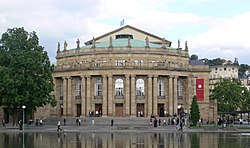
From its origins in the 10th century to its current status as a metropolitan powerhouse, Stuttgart has evolved into a city of contrasts—where the roar of high-performance engines harmonizes with the quiet elegance of the State Opera and the sprawling greenery of the Killesbergpark.
![Stuttgart's first coat of arms (1286)[c]](/images/6b/ec/6bec9040a39763f161763615fd89e44dafb1d5efc7d79512c94b1fa6f4767e44.jpg)
Key Facts
- Founded: 10th century.
- Population: Approximately 612,663 (City) and over 5.4 million (Metro area).
- Economic Identity: Global center for the automotive industry (home to Mercedes-Benz and Porsche).
- Geography: Located in Baden-Württemberg, Germany, with an elevation of 245 meters.
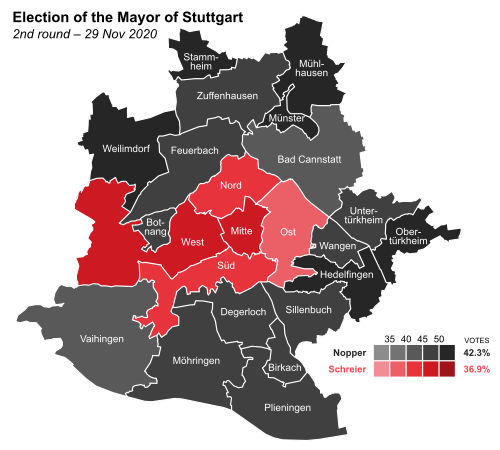
- Governance: Led by a Lord Mayor; currently Frank Nopper (CDU).
Historical Evolution
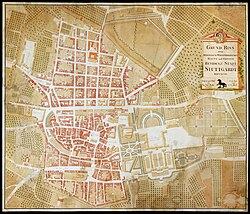
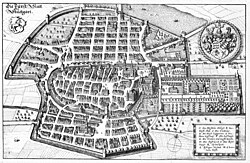
Stuttgart's journey from a modest settlement to a state capital is marked by its affiliation with the Kingdom of Württemberg. During the Middle Ages and the Early Modern era, the city grew steadily, eventually becoming the seat of royal power.
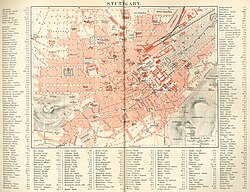
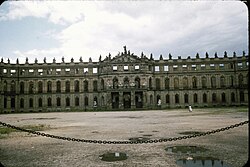
The 19th century saw a period of significant expansion and architectural flourishing. The construction of the New Palace (Neues Schloss) and the development of the city's infrastructure mirrored the growth of the German Empire. However, the 20th century brought immense challenges, most notably during World War II, when Allied bombing raids caused extensive destruction across the city.
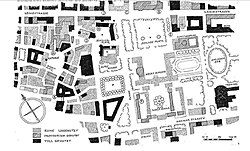
Post-war reconstruction transformed Stuttgart into a modern metropolis. The city meticulously restored its landmarks, such as the Neues Schloss, while integrating contemporary urban planning to support its booming industrial sector.
Geography and Climate
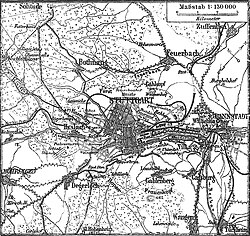
Stuttgart is characterized by its unique topography, often described as a basin surrounded by hills. This geography influences its climate, which is generally temperate. The city experiences its warmest temperatures in July, with record highs reaching 38.7°C, while winters can be cold, with record lows dipping to -25.5°C.
To combat the urban heat island effect and improve air quality, the city utilizes ventilation corridors—strategic green belts that allow fresh air to flow from the surrounding hills into the city center.
Landmarks and Cultural Heritage
![The historic Stuttgart Marktplatz [de] looking west, 1881](/images/c7/0c/c70c9f1759cc81872b797ddc492433018b9d1f0add678dc639f1f46512b34a81.jpg)
Stuttgart offers a rich tapestry of cultural sites, ranging from royal residences to avant-garde architecture.
The Inner City and Royal Sites
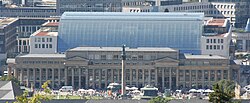
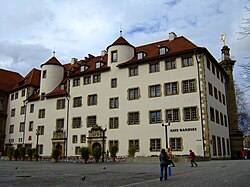
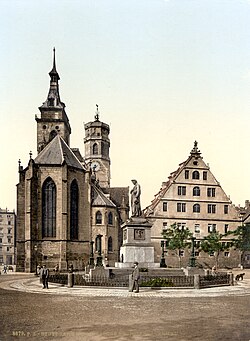
The heart of the city is dominated by the Schlossplatz (Castle Square), featuring the New Palace and the Königsbau, the former home of the Stuttgart Stock Exchange. Nearby, the Alte Kanzlei (Old Chancellery) on Schillerplatz stands as a testament to the city's administrative history.
Architectural Marvels
Stuttgart is home to the world's first concrete TV tower, completed in 1950, which remains a symbol of the city's engineering prowess. For those interested in the International Style of architecture, the Weissenhof Estate (1927) is a must-visit.
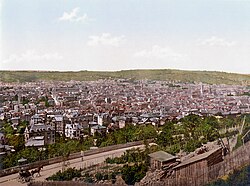
Parks and Nature
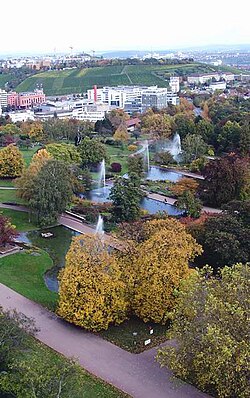
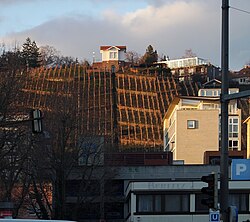
The city balances its industrial nature with expansive green spaces. The Wilhelma Zoo and Botanical Garden is one of the most significant of its kind in Europe, while the Killesbergpark offers scenic fountains and vineyards.
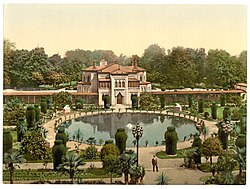
The Global Hub of Automotive Innovation
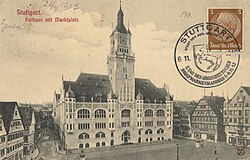
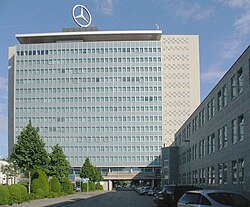
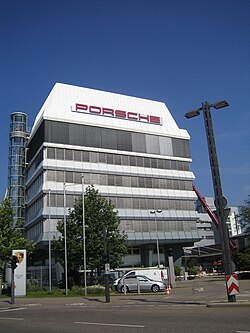
Stuttgart is famously known as the cradle of the automobile. It is the headquarters for two of the world's most prestigious car manufacturers: Mercedes-Benz and Porsche. This industrial legacy is celebrated through world-class museums that document the evolution of transport.
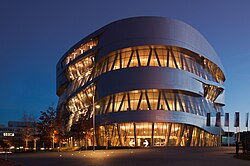
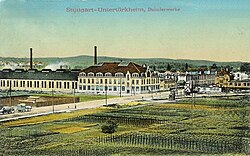
The Daimler-Motoren-Gesellschaft factory in Untertürkheim, established in the early 20th century, laid the groundwork for what is now the Mercedes-Benz Group. Today, the city continues to lead in science, research, and development, maintaining its status as a financial and technological powerhouse.
Demographics and Society
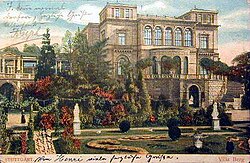
Stuttgart is a diverse, multicultural city. While the core city population is around 612,000, the metropolitan region exceeds 5 million people. The city has a significant immigrant population, with the largest communities hailing from Turkey, Croatia, Italy, and Greece.
The city's political landscape is represented by a diverse city council, with the Christian Democratic Union (CDU) and Alliance 90/The Greens holding significant influence.
Infrastructure and Transport
To support its massive population and industrial output, Stuttgart employs a sophisticated multi-modal transport system:
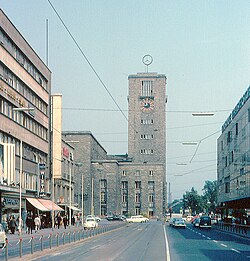
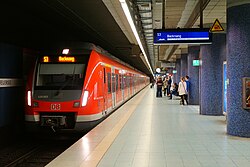
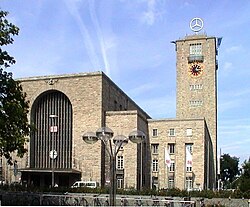
- Rail: The city is served by the S-Bahn (suburban rail) and the Hauptbahnhof (main station), currently undergoing the massive "Stuttgart 21" redevelopment project.
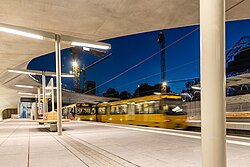
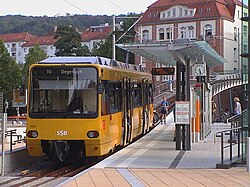
- Local Transit: The Stadtbahn (light rail) provides efficient inner-city travel.
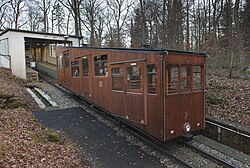
- Specialized Transport: Due to its hilly terrain, the city utilizes rack railways and funiculars to move passengers.
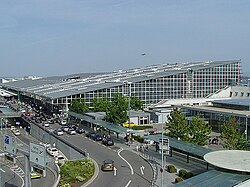
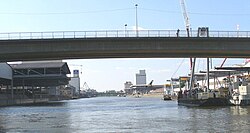
- Air and Water: The Stuttgart Airport connects the region globally, while the port on the Neckar River facilitates industrial shipping.
Below is a summary of the city's key statistics and characteristics.
| Category | Detail |
|---|---|
| State | Baden-Württemberg |
| City Population | 612,663 (2024) |
| Metro Population | 5,465,093 (2021) |
| Total Area | 207.33 km² |
| Key Industries | Automotive, Finance, R&D |
| Major Landmarks | TV Tower, Mercedes-Benz Museum, Schlossplatz |
Frequently Asked Questions
Why is Stuttgart called the cradle of the automobile?
Stuttgart is the birthplace of the modern car, serving as the home to the founders of Mercedes-Benz and Porsche, and hosting the factories where some of the world's first internal combustion vehicles were developed.
What is the "Stuttgart 21" project?
Stuttgart 21 is a major railway and urban development project aimed at converting the city's terminus station into a through-station to improve rail efficiency and create new urban spaces.
What are the best museums to visit in Stuttgart?
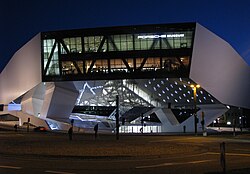
The Mercedes-Benz Museum and Porsche Museum are world-renowned for automotive history. For art and culture, the State Museum of Württemberg (Old Castle) and the Linden Museum are highly recommended.
How does the city handle its hilly geography for transport?
Stuttgart utilizes specialized transport systems including funicular railways and rack railways to navigate the steep inclines between the valley floor and the surrounding hills.
What is the climate like in Stuttgart?
The city has a temperate climate with warm summers (averaging 20-25°C in July/August) and cold winters, though it is often slightly milder than other German cities due to its basin location.