Ulm: A Historic Hub of Culture, Science, and Industry on the Danube
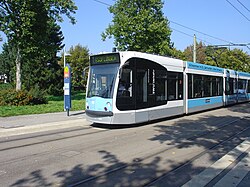
Nestled on the eastern edges of the Swabian Jura mountain range, Ulm is a city where medieval grandeur meets modern innovation. Situated in the state of Baden-Württemberg, Germany, Ulm sits at the strategic confluence of the Danube, the Blau stream, and the Iller river. This geographic positioning has historically made it a vital center for trade and transport, and it remains a key stop on the international "Main Line for Europe" railway corridor connecting Paris to Budapest.
From its towering cathedral to its legacy as a center of scientific thought, Ulm offers a rich tapestry of experiences for historians, students, and travelers alike.
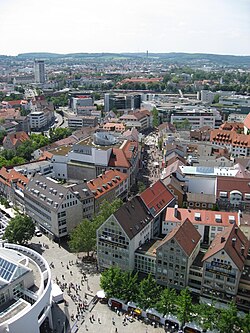
Key Facts
- World-Class Architecture: Home to the Ulm Minster, the second tallest church in the world at 161.53 meters.
- Scientific Legacy: Birthplace of Nobel Prize-winning physicist Albert Einstein.
- Strategic Location: Located on the Danube, forming a twin-city relationship with Neu-Ulm in Bavaria.
- Economic Power: A diverse industrial hub specializing in pharmaceuticals, electronics, and automotive engineering.
- Academic Center: Seat of the University of Ulm and the Ulm University of Applied Sciences.
Geography and Urban Layout
Ulm is positioned at an altitude of 479 meters above sea level. The majority of the city, including the historic old town, is located on the northern bank of the Danube. Only a few districts—Wiblingen, Gögglingen, Donaustetten, and Unterweiler—lie to the south. The river serves as the border with the state of Bavaria, where the twin city of Neu-Ulm is located. Together, these two cities maintain a combined population of approximately 190,000.
The landscape surrounding the city is characterized by the forests and hills of the Swabian Alb, reaching heights over 620 meters. On clear days, the northern edge of the Alps is visible from the city, located roughly 100 kilometers to the south.
A Journey Through History
Human settlement in the Ulm area dates back to the early Neolithic period (around 5000 BC), with evidence found in the districts of Eggingen and Lehr. However, the city first appeared in written records on July 22, 854 AD, in a document signed by King Louis the German.
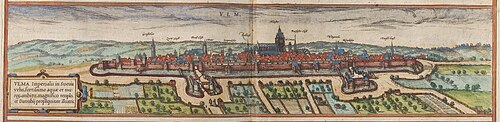
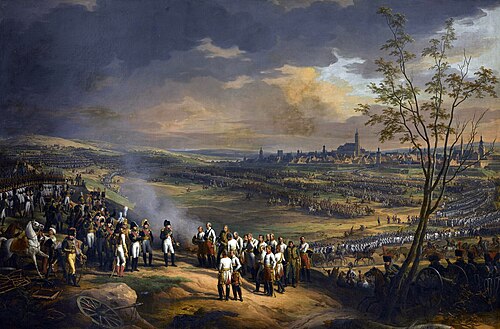
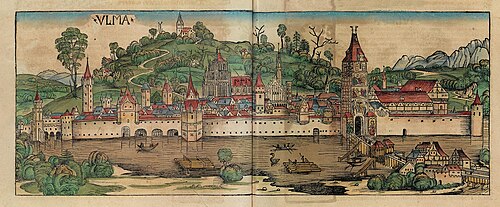
Ulm rose to prominence as a Free Imperial City (Reichsstadt) after being declared such by Friedrich Barbarossa in 1181. This status granted the city significant autonomy and wealth through trade. However, the Napoleonic era brought drastic changes. In 1805, Napoleon trapped the Austrian army under General Mack, leading to the capitulation of Ulm.
The 20th century brought profound hardship. From 1933 to 1935, a concentration camp for political opponents operated on the Kuhberg hill. The city's Jewish population faced severe persecution; during Kristallnacht in 1938, the synagogue was destroyed, and most of the 116 Jews deported during World War II never returned. In December 1944, a strategic RAF bombing raid targeted industrial sites like Magirus-Deutz and Kässbohrer, leaving over 80% of the medieval city center in ruins.
Economy and Innovation
Ulm has successfully transitioned from a medieval trading post to a high-tech industrial center. While classical industries like machinery and motor vehicles remain vital, the establishment of the University of Ulm in 1967 shifted the focus toward biomedicine, engineering, and the sciences.
The city hosts a variety of global and regional headquarters, including Ratiopharm (pharmaceuticals), Gardena (gardening tools), and Liqui Moly (car care). Major corporations such as Daimler, Siemens, and BMW also maintain significant research or IT operations within the city.
Culture, Education, and Landmarks
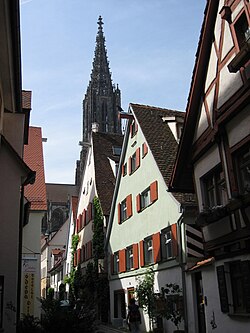
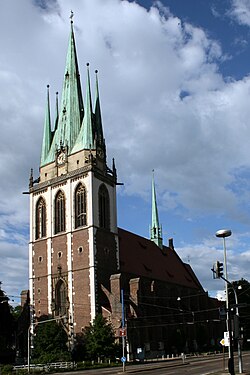
The crown jewel of the city is the Ulm Minster, constructed between 1377 and 1891. Its steeple reaches 161.53 meters, requiring visitors to climb 768 steps to reach the top. Inside, the church houses the famous Schmerzensmann (Man of Sorrows) sculpture by Hans Multscher.
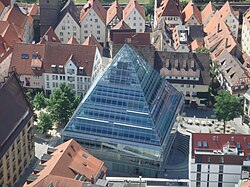
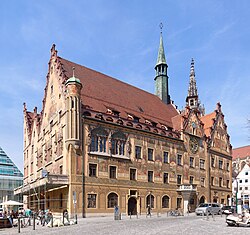
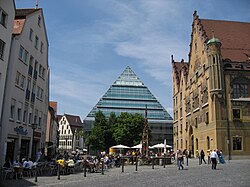
Beyond the Minster, the city is rich in cultural sites, including the Ulm Public Library, the Town Hall, and the Museum Ulm, which houses the "Lion-man," the oldest known sculpture in the world.
Sports and Recreation
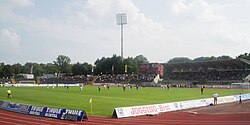
Ulm is a passionate sports city. The SSV Ulm 1846 football club plays at the Donaustadion, while the Ratiopharm Ulm basketball team competes in the Basketball Bundesliga at the Ratiopharm arena.
City Overview Summary
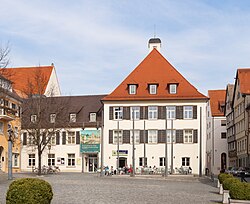
| Attribute | Detail |
|---|---|
| State | Baden-Württemberg, Germany |
| Population (2024) | 129,882 |
| Total Area | 118.69 km² |
| Elevation | 478 m |
| Key Landmark | Ulm Minster (161.53 m) |
| Major Rivers | Danube, Blau, Iller |
Notable Personalities
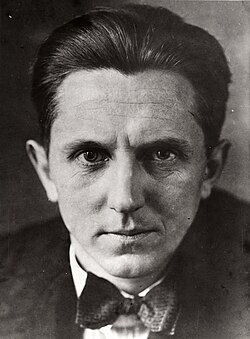
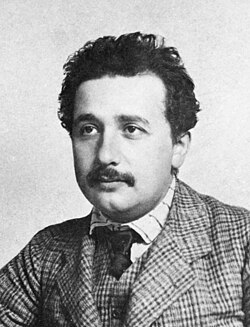
Ulm has been the birthplace or home to many influential figures. Most notably, Albert Einstein was born here in 1879. Other distinguished residents include the actress Hildegard Knef, the physician Agatha Streicher (regarded as Germany's first female physician), and the Olympic gold medalist rower Maximilian Reinelt.
Frequently Asked Questions


How tall is the Ulm Minster?
The Ulm Minster is 161.53 meters (529.95 feet) tall, making it the second tallest church in the world.
What is the relationship between Ulm and Neu-Ulm?
Ulm and Neu-Ulm are twin cities separated by the Danube river. Neu-Ulm was part of Ulm until 1810, but it is now located in the state of Bavaria, while Ulm is in Baden-Württemberg.
Which famous scientist was born in Ulm?
The world-renowned physicist and philosopher Albert Einstein was born in Ulm in 1879.
What are the primary industries in Ulm today?
Ulm is a center for high-tech industry, with a strong focus on pharmaceuticals, electronics, automotive engineering, and biomedicine.
What is the "Lion-man" and where can it be seen?
The Lion-man is the oldest known sculpture in the world and is housed in the Museum Ulm.