Strike Action: The Power and Evolution of Collective Labor Refusal
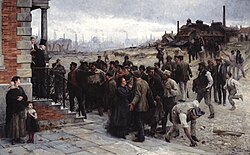
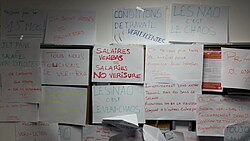
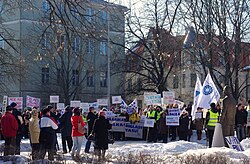
Strike action, commonly referred to as a labor strike, is a form of direct action where employees collectively refuse to work. Typically triggered by employee grievances, strikes serve as a powerful tool to pressure employers into improving working conditions, increasing wages, or recognizing a trade union. When negotiations or legal remedies fail, workers turn to the strike as a final means of leverage to achieve their demands.
While often associated with modern industry, the impulse to collectively withhold labor is ancient. From the early records of Egypt to the massive industrial upheavals of the 19th century, strikes have evolved from illegal conspiracies into legally protected rights in many parts of the world.

Key Facts
- Definition: A collective refusal to work by employees to force an employer to meet specific demands.
- Origins: Became widespread during the Industrial Revolution as mass labor in factories and mines grew.
- Political Impact: Strikes can destabilize regimes, as seen in the fall of the Iron Curtain in Poland.
- International Law: The right to strike is ensured by the UN's International Covenant on Economic, Social and Cultural Rights (1967) and the European Social Charter (1961).
- Modern Trends: Strike frequency generally declined since the 1990s due to computerization and increased personal debt, though some sectors saw a resurgence in 2018-2019.
The Evolution of Labor Strikes
Pre-Industrial and Industrial Beginnings
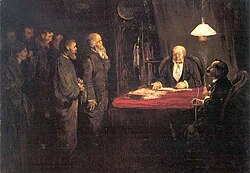
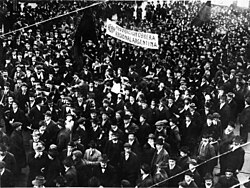
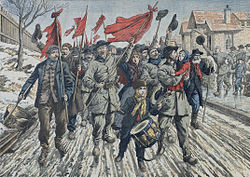
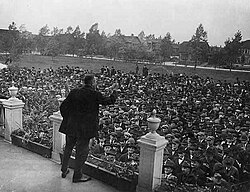
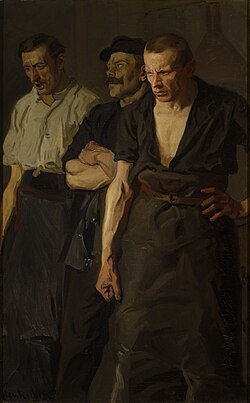
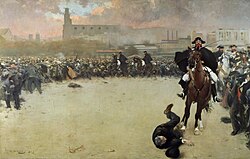
Strikes became a defining feature of the Industrial Revolution. As the economy shifted toward mass production in mines and factories, the collective power of the workforce became more apparent. However, early strike actions were rarely met with neutrality. Governments often viewed them as unlawful conspiracies or anti-competitive cartels, leading to severe repression by courts, state police, and military forces.
Strikes as Political Tools
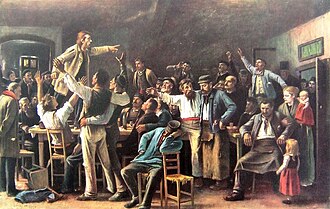
Beyond workplace grievances, strikes are frequently used to pressure governments to change policy or to challenge the legitimacy of a ruler. This often manifests as part of a broader campaign of civil resistance—the non-violent opposition to a government.
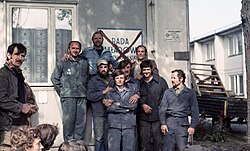
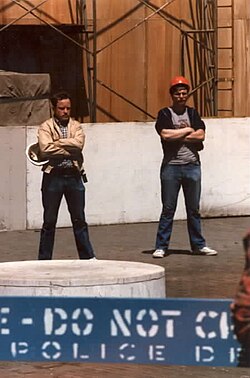
A landmark example occurred in Poland with the 1980 Gdańsk Shipyard and 1981 Warning Strike led by Lech Wałęsa. These actions were pivotal in the movement that eventually led to the collapse of communist rule in Eastern Europe. Similarly, in March 1920, a general strike called by the Social Democratic Party (SPD) in Weimar Germany helped collapse the Kapp Putsch.
Strike Frequency and Global Trends
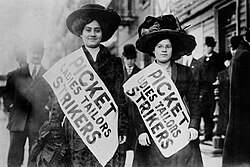
The scale of strike action varies wildly by era and region. In the United States, 1937 marked the greatest strike wave in history with 4,740 strikes. By contrast, major strikes and lockouts plummeted from 381 in 1970 to just 11 in 2010, partly because companies threatened to relocate plants to avoid labor disputes.
In Britain, the 1926 general strike saw an average loss of 9 workdays per worker. However, over the next 79 years, the average loss dropped to less than two hours per worker per year. This pattern of minimal average annual loss is common across developed nations, including Canada and the U.S.
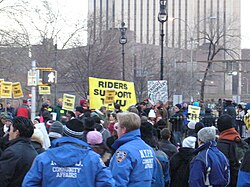
Comparative Strike Activity (1996–2000)
During the late 1990s, certain countries exhibited significantly higher rates of strike action than others.
| Country | Days Not Worked |
|---|---|
| Denmark | 296 |
| Iceland | 244 |
| Canada | 217 |
| Spain | 189 |
| Norway | 135 |
| South Korea | 95 |
| Ireland | 90 |
| Australia | 86 |
| Italy | 76 |
| France | 67 |
Types of Strike Action
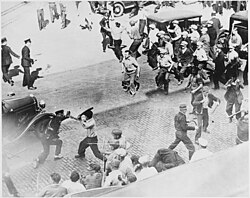
Not all strikes are simple walkouts. Different strategies are employed depending on the goal:
- Recognition Strike: Aimed at forcing an employer to recognize a trade union as the legitimate bargaining agent. A famous example is the Flint sit-down strike of 1936–37, which helped form the United Auto Workers.
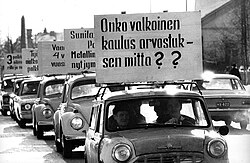
- General Strike: A widespread stoppage across multiple industries to achieve political or economic goals.
- Work-in Strike: Workers continue to work but do so in a way that disrupts normal operations or ignores management's orders.
- Sympathy Strike: A strike by workers to support other workers who are on strike.
Legal Status and Strikebreaking
The legality of striking varies by country and sector. In Italy, the right to strike is constitutionally guaranteed, though limitations exist for essential services (those affecting health, security, and communications). In France, the right to strike is guaranteed under the Fifth Republic.
In Canada, governments previously used "back-to-work legislation" to force employees back to their jobs, though some of these measures were ruled unconstitutional by the Supreme Court in 2016.
In the United Kingdom, there is no absolute legal "right to strike." Employees risk dismissal unless the strike is "official" (endorsed by a union), which provides protection from unlawful dismissal for at least 12 weeks.
Strikebreaking and Union Busting
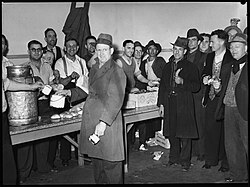
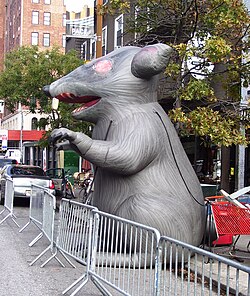
Employers may attempt to end strikes through strikebreaking—hiring replacement workers, often derogatorily called "scabs." In some cases, employers may engage in union busting by firing striking members to eliminate the union entirely. In the U.S., federal employees are permitted to form unions but are prohibited from striking; in 1981, President Ronald Reagan famously fired all striking air traffic controllers (PATCO), leading to the union's dissolution.
Frequently Asked Questions

What is a recognition strike?
A recognition strike is a work stoppage intended to force an employer to recognize a specific trade union as the official representative for collective bargaining for the employees.
Is the right to strike recognized internationally?
Yes, the right to strike is ensured by Article 8 of the International Covenant on Economic, Social and Cultural Rights (adopted by the UN in 1967) and Article 6 of the European Social Charter (1961).
What is "back-to-work legislation"?
This is a special law introduced by a government to block a strike or lockout from continuing, effectively forcing employees to return to work. This has been used in Canada, though its constitutionality has been challenged.
Why have strike actions declined since the 1990s?
The decline is attributed to lower information costs due to computerization (giving workers better access to economic data) and rising personal indebtedness, which makes the financial risk of losing a job during a strike too high for many workers.
What is the difference between a strike and a lockout?
While a strike is initiated by employees refusing to work, a lockout is initiated by the employer, who prevents employees from working, usually as a tactic during labor disputes.