Trade Unions: History, Structure, and Global Impact on Labor
A trade union (known as a labor union in American English) is an organized association of workers formed to maintain or improve the conditions of their employment. By pooling their resources and voices, workers aim to increase their bargaining power against employers to secure better outcomes for the workforce.
The primary goals of these organizations include attaining higher wages and benefits, enhancing workplace safety standards, and establishing fair complaint procedures. Beyond financial gains, unions work to develop rules governing employee status, such as transparent promotion criteria and "just-cause" conditions for termination, ensuring that workers are not subject to arbitrary dismissal.
Key Facts
- Purpose: To protect and increase the bargaining power of workers regarding wages, safety, and employment terms.
- Funding: Unions are typically funded through union dues, which are regular fees paid by members to support head office and legal functions.
- Governance: Leadership is often chosen through internal democratic elections, with workplace representatives frequently serving as volunteers.
- Collective Bargaining: The process where elected leadership negotiates labor contracts (collective bargaining agreements) on behalf of the rank and file (the general membership).
- Global Variance: Union density varies wildly by country, with some Nordic nations showing very high rates and others significantly lower.
The Evolution of Organized Labor
From Trade Guilds to Modern Unions
The roots of modern unionism can be traced back to trade guilds, which were associations of artisans or merchants who oversaw the practice of their craft in a particular town. Over time, as industrialization shifted production from small shops to large factories, these guilds evolved into modern trade unions to address the new challenges of industrial labor.
Legalization and Expansion
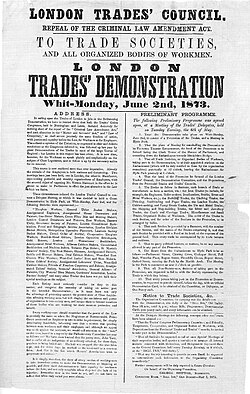
The journey toward legal recognition was often fraught with conflict. In many regions, early union activities were met with resistance from both employers and governments. Over time, the movement expanded from small, craft-specific groups to national general unions that represented workers across various industries.
Global Prevalence and Membership Trends
Union density—the proportion of workers who are members of a union—varies significantly across the globe. Data from the OECD and the International Labour Organization (ILO) highlight a stark contrast between different economic regions.
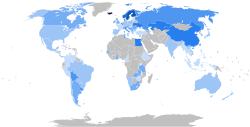
For instance, Iceland and several Nordic countries like Denmark and Finland have historically maintained very high union density rates. In contrast, countries like the United States and Mexico have seen lower or declining participation rates in recent decades.
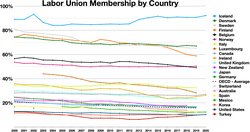
| Country | 2020 | 2015 | 2000 |
|---|---|---|---|
| Iceland | 92.2 | 90.0 | 89.1 |
| Denmark | 66.5 | 67.1 | 74.5 |
| Finland | 60.3 | 66.4 | 74.2 |
| Belgium | 50.3 | 56.6 | 54.2 |
| Canada | 27.2 | 28.2 | 29.4 |
| United Kingdom | 23.4 | 29.8 | 24.2 |
| United States | 10.3 | 12.9 | 10.6 |
The Impact of Unionization
Economic Influence and Inequality
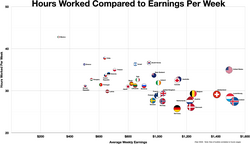
Research indicates a strong relationship between union participation and economic distribution. In the United States, there has been a distinctly inverse relationship between union participation and income inequality; as union membership declined since the 1980s, the disparity in income increased.
![US income inequality and union participation have had a distinctly inverse relationship, with the disparity increasing since the 1980s.[53]](/images/66/96/66968f4c23842abf6be0ccc9d2fed4be4e4c7b0ee4ee3b19d94887777c451a71.webp)
Political and Social Contributions
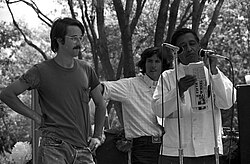
Unions often act as political entities, advocating for broader social policies. For example, in the U.S., union strength—particularly in the public sector—has been positively associated with the adoption of leave legislation. Figures like Cesar Chavez and the United Farm Workers (UFW) demonstrated how unions could mobilize for specific sectoral rights, though some organizations also held specific views on immigration to protect their members.
Labor Actions and Strikes
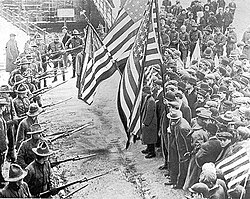
When collective bargaining fails, unions may resort to strikes to pressure employers. Historical examples include the Great Southwest railroad strike of 1886, which involved over 200,000 workers, and more recent actions like the UNISON rallies in the UK.
![The Great Southwest railroad strike of 1886 was a trade union strike involving more than 200,000 workers.[34]](/images/b2/52/b2529fc600ed05b99f47771a213190500bb020dab2879ddf55407d6cc0b01a1e.jpg)

Frequently Asked Questions
What is the difference between the rank and file and union leadership?
The rank and file refers to the general membership of the union—the workers themselves. The leadership consists of the elected officials and bargaining committees who represent the rank and file during negotiations with employers.
How are trade unions funded?
Trade unions are primarily funded through union dues, which are regular fees paid by the members. These funds are used to pay for the union's head office operations and its legal team.
What is collective bargaining?
Collective bargaining is the process of negotiation between a trade union and an employer to determine the terms of employment, resulting in a legally binding labor contract known as a collective bargaining agreement.
How does union density affect income inequality?
Evidence suggests that higher union density often correlates with lower income inequality. For example, in the U.S., the decline of union participation since the 1980s has coincided with an increase in income disparity.
What are the primary goals of a labor union?
The primary goals are to improve wages and benefits, ensure safer working conditions, establish fair grievance procedures, and protect workers from unjust termination.