Staphylococcus aureus: Microbiology, Pathogenesis, and Clinical Impact
Staphylococcus aureus is a highly versatile and significant bacterium within the medical and scientific communities. Belonging to the domain Bacteria and the family Staphylococcaceae, this organism is a common inhabitant of the human body. In fact, between 20% and 30% of the human population are frequent carriers of the bacteria, often without exhibiting any symptoms.
Despite its common presence, S. aureus is a formidable pathogen capable of causing a wide spectrum of diseases, ranging from minor skin irritations to life-threatening systemic infections. Its ability to adapt to various environments and resist medical interventions makes it a primary focus of infectious disease research.
Key Facts
- Prevalence: Carried by 20% to 30% of the human population, often asymptomatically.
- Classification: A Gram-positive bacterium in the genus Staphylococcus.
- Major Types: Includes Methicillin-susceptible (MSSA) and Methicillin-resistant (MRSA) strains.
- Primary Prevention: Effective through regular hand washing and surface cleaning.
- Common Roles: Involved in skin infections, food poisoning, and medical implant infections.
Microbiological Characteristics
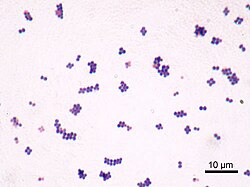
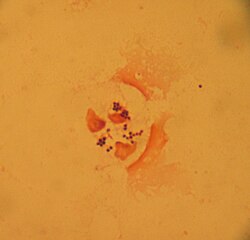
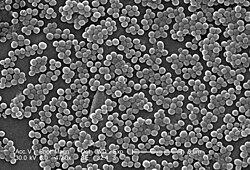
Under a microscope, S. aureus exhibits distinct morphological features. It is classified as a Gram-positive coccus, meaning it retains the crystal violet stain during the Gram staining process due to its thick cell wall. These cells typically appear in grape-like clusters.
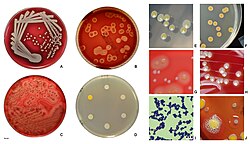
The bacterium possesses several unique biological traits that aid its survival. For instance, some strains produce staphyloxanthin, a yellow pigment that can be observed on trypticase soy agar. Furthermore, the organism utilizes various enzymes and toxins to interact with its environment and host organisms.

Laboratory Identification
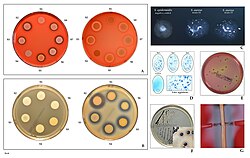
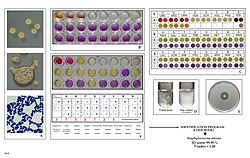
In clinical settings, scientists use several methods to identify S. aureus. These include observing hemolysis (the breakdown of red blood cells) on blood agar, testing for DNase activity, and utilizing latex agglutination tests. Growth patterns on specific media, such as mannitol-salt agar and Baird-Parker agar, are also diagnostic indicators.
Virulence and Pathogenesis
The ability of S. aureus to cause disease is driven by its complex array of virulence factors. These include specialized enzymes, toxins, and structural components that allow the bacteria to evade the host's immune system.
Immune Evasion Strategies
The bacterium employs several sophisticated methods to bypass host defenses:
- Protein A: A surface protein that helps the bacteria evade immune detection.
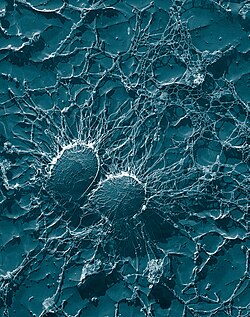
- Biofilms: The formation of structured communities of bacteria that are highly resistant to both antibiotics and host immune responses.
- Capsules: Large capsules can protect the organism from immunological attacks, particularly noted in animal infections like mastitis in dairy cows.
Toxins and Secretion Systems
S. aureus produces various harmful substances, including superantigens and exfoliative toxins. It also utilizes a Type VII secretion system (T7SS) to secrete nuclease toxins that can target competing bacteria. These biological tools allow the pathogen to colonize tissues and cause significant damage.
Clinical Manifestations and Disease
The clinical impact of S. aureus is extensive. Because of its versatility, it can manifest in several different ways:
- Skin Infections: Ranging from minor boils to more severe cellulitis.
- Food Poisoning: Often caused by the ingestion of toxins produced by the bacteria in contaminated food.
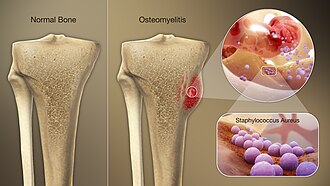
- Bone and Joint Infections: Including serious conditions like osteomyelitis (bone infection).
- Bacteremia: The presence of bacteria in the bloodstream, which can lead to systemic complications.
- Medical Implant Infections: The bacteria can colonize devices such as catheters or artificial joints.
In addition to human health, S. aureus is a significant concern in the veterinary and industrial sectors. It is a common bacterium in the catering industry and can cause infections in animals, such as horses and dairy cows.
Antibiotic Resistance: The Challenge of MRSA
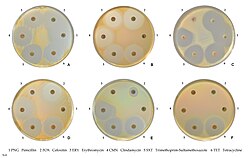
One of the most significant challenges in modern medicine is the emergence of Methicillin-resistant Staphylococcus aureus (MRSA). This strain has developed resistance to many commonly used antibiotics, making infections much harder to treat.
Resistance mechanisms include efflux pumps, which actively pump antibiotics out of the bacterial cell, and various genetic adaptations. The rise of multi-drug resistant strains necessitates constant vigilance in infection control and the development of new therapeutic strategies.
Summary of S. aureus Profile
| Feature | Details |
|---|---|
| Cell Type | Gram-positive cocci in clusters |
| Common Carriage | 20% to 30% of humans |
| Major Pathotypes | MSSA and MRSA |
| Key Virulence Factors | Protein A, Biofilms, Exotoxins, Staphyloxanthin |
| Primary Prevention | Hand hygiene and surface disinfection |
Frequently Asked Questions
What is the difference between MSSA and MRSA?
MSSA stands for Methicillin-susceptible Staphylococcus aureus, which can be treated with standard antibiotics. MRSA stands for Methicillin-resistant Staphylococcus aureus, a strain that has developed resistance to methicillin and other related antibiotics.
How can I prevent S. aureus infections?
The most effective prevention methods include frequent and thorough hand washing and regular cleaning of frequently touched surfaces to reduce bacterial spread.
Can S. aureus cause food poisoning?
Yes, S. aureus can cause food poisoning, typically through the production of toxins in food products that have been contaminated.
Is it normal to carry S. aureus without being sick?
Yes, it is very common. Approximately 20% to 30% of the population carry the bacteria, often without any symptoms or active infection.
What are the main symptoms of a skin infection caused by S. aureus?
While symptoms vary, skin infections often present as redness, swelling, pain, or the formation of boils and abscesses.