Staphylococcal Infections: Causes, Symptoms, and Medical Management
Members of the Staphylococcus genus are bacteria that commonly inhabit the human nose and skin without causing harm. However, when these bacteria breach the body's natural defenses, they can transition from harmless residents to serious pathogens. A staphylococcal infection occurs when these bacteria enter the body, often through even nearly invisible cuts or abrasions, potentially spreading to various organs and systems.
In severe cases, the toxins produced by these bacteria can lead to critical complications, such as cardiac arrest. While anyone can contract a staph infection, certain populations are at higher risk, including small children, pregnant individuals, and those with compromised immune systems or chronic diseases that affect skin integrity or blood circulation.
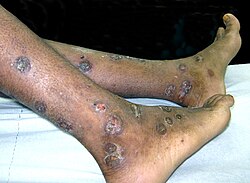
Key Facts
- Common Entry Points: Open wounds, including minor paper cuts, are the primary cause of infection.
- Contagion: Staph is highly contagious through direct contact with infected persons or contaminated surfaces.
- Antibiotic Resistance: Strains like MRSA (methicillin-resistant Staphylococcus aureus) are increasingly difficult to treat with standard antibiotics.
- Microscopic Appearance: The name derives from the Greek words for "bunch of grapes" and "granule," reflecting their cluster-like appearance under a microscope.
- High-Risk Environments: Hospitals and contact sports settings are common areas for transmission.
Types of Staphylococcal Bacteria
Microbiologists categorize staphylococci based on their reaction to the enzyme coagulase, which helps distinguish between different species and their potential for disease.
Coagulase-Positive Staphylococci
The most prominent species is Staphylococcus aureus. These bacteria can survive on dry surfaces, facilitating transmission. S. aureus is linked to several serious conditions, including toxic shock syndrome and staphylococcal scalded skin syndrome, a reaction caused by exotoxins absorbed into the bloodstream. A major clinical concern is MRSA, which is a leading cause of both hospital-acquired and community-acquired infections.
Coagulase-Negative Staphylococci
Other species, while often commensal (naturally occurring on the body), can cause significant issues in specific contexts:
- S. epidermidis: A common skin resident that can cause severe infections in patients with central venous catheters or those who are immunosuppressed.
- S. saprophyticus: Often part of the normal vaginal flora, it is a frequent cause of uncomplicated lower genitourinary tract infections in young, sexually active individuals.
- Other species: S. lugdunensis, S. schleiferi, and S. caprae have also been implicated in human infections.
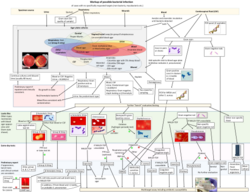
Common Signs and Symptoms
While symptoms vary depending on the site and type of infection, many staph infections are characterized by redness, swelling, tenderness, and the presence of pus.
Skin-Level Infections
Many staph infections manifest on the skin in various forms:
- Boils (Furuncles): Painful, red pockets of white pus that typically develop around hair follicles or oil glands.
- Impetigo: Most common in children, this presents as a rash of painful blisters, often around the mouth, nose, hands, and feet, which eventually produce yellowish pus.
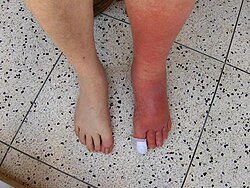
- Cellulitis: A rash-like infection where the skin becomes red, swollen, and warm to the touch, commonly affecting the lower legs.
- Staphylococcal Scalded Skin Syndrome: A severe condition involving fever, rash, and blisters caused by toxins.
Deep and Systemic Infections
If the bacteria move beyond the skin, they can cause more complex medical issues, including:
- Osteomyelitis: Infection of the bone.
- Septic Arthritis: Infection within a joint.
- Endocarditis: Infection of the heart lining or valves.
- Sepsis: A life-threatening systemic response to infection.
- Gastroenteritis: Infection of the digestive tract.
Causes and Transmission Pathways
Understanding how staph spreads is essential for prevention. The bacteria are highly resilient and can thrive in various environments.
- Open Wounds: Any break in the skin provides a pathway for bacteria.
- Direct Contact: Touching an infected person or sharing equipment (common in contact sports like wrestling).
- Contaminated Linens: Unwashed towels, sheets, and clothing can harbor bacteria.
- Medical Procedures: Infections can occur following surgery or through the use of invasive devices like catheters, dialysis tubing, or feeding tubes.
Summary of Infection Types
| Category | Examples |
|---|---|
| Localized Skin Infections | Styes, abscesses, boils, folliculitis, impetigo, cellulitis |
| Deep Localized Infections | Osteomyelitis, septic arthritis |
| Systemic/Other Infections | Sepsis, endocarditis, pneumonia, toxic shock syndrome, gastroenteritis |
Frequently Asked Questions
What is the difference between a regular staph infection and MRSA?
A regular staph infection is caused by Staphylococcus bacteria that can typically be treated with standard antibiotics. MRSA (methicillin-resistant Staphylococcus aureus) is a specific strain that has developed resistance to many common antibiotics, making it more difficult to treat.
How can I prevent a staph infection?
Prevention includes properly disinfecting and bandaging all wounds, washing linens regularly, avoiding the sharing of personal items like towels, and practicing good hygiene, especially after contact sports.
Can staph infections be serious?
Yes. While many are localized skin infections, staph can spread to the bloodstream, heart, bones, or lungs, leading to life-threatening conditions like sepsis or endocarditis.
How do doctors identify a staph infection?
In a microbiology laboratory, doctors typically suspect a staphylococcal infection when they observe Gram-positive cocci (spherical bacteria) arranged in clusters under a microscope.
What are the common treatments for staph?
Treatment depends on the severity and type of infection. Common approaches include the use of antibiotics, topical creams, and the surgical drainage or cleaning of infected areas or abscesses.