Antibiotics: History, Mechanisms, and the Fight Against Resistance
Antibiotics are a vital class of drugs used to treat bacterial infections. By targeting specific biological processes within bacteria, these medications can inhibit growth or destroy pathogens, saving countless lives. However, the effectiveness of these drugs is currently facing a significant challenge: the rise of antimicrobial resistance.
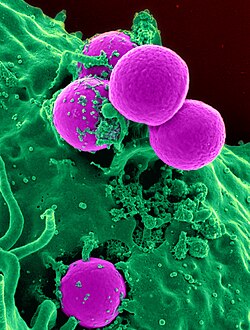
To understand how these medicines work, scientists often use the Kirby-Bauer disk diffusion method. In this process, antibiotics diffuse from disks into a medium containing bacteria, such as Staphylococcus aureus, creating a "zone of inhibition" where the bacteria cannot grow.
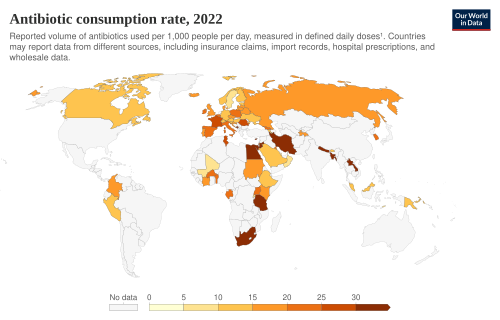
Key Facts
- Antibiotics are designed to target bacteria, not viruses.
- The first synthetic antibiotic, arsphenamine, was discovered in 1907.
- Penicillin, a natural antibiotic, was discovered by Alexander Fleming in 1928.
- Misuse and overuse contribute significantly to antibiotic resistance.
- Newer therapies include phage therapy and fecal microbiota transplants.
The Evolution of Antibiotic Discovery
The history of antibiotics is marked by two major eras: the development of synthetic drugs derived from dyes and the discovery of natural antibiotics.
Synthetic Beginnings
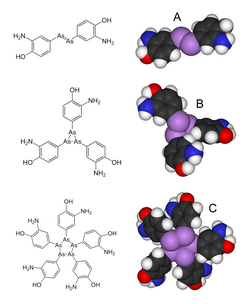
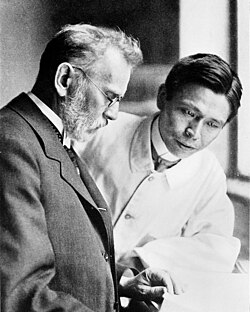
In the early 20th century, researchers began developing synthetic antibiotics. A landmark achievement was the discovery of arsphenamine (also known as salvarsan) in 1907 by Paul Ehrlich and Sahachiro Hata.
The Natural Revolution
The landscape of medicine changed forever in 1928 when Alexander Fleming discovered penicillin, a natural antibiotic. This discovery paved the way for a massive expansion in the antibiotic pipeline, leading to the development of various drug classes used in modern medicine.

How Antibiotics Work
Antibiotics function by attacking specific molecular targets within a bacterial cell. Depending on their class, they may interfere with different biological functions.
Common Mechanisms of Action
- Protein synthesis inhibitors: These prevent bacteria from producing the proteins necessary for survival.
- Cell wall disruption: Some antibiotics prevent the formation of the bacterial cell wall, causing the cell to burst.
- Metabolic interference: Targeting essential metabolic pathways within the cell.
The Challenge of Antibiotic Resistance
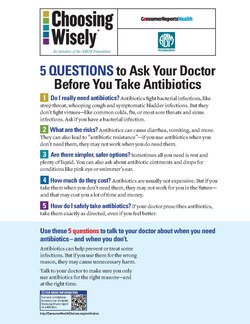
One of the most pressing issues in global health is antibiotic resistance. This occurs when bacteria evolve mechanisms to survive exposure to the drugs designed to kill them. This evolution can be driven by the misuse of antibiotics in humans and the overuse of antibiotics in food-producing animals.
Causes and Consequences
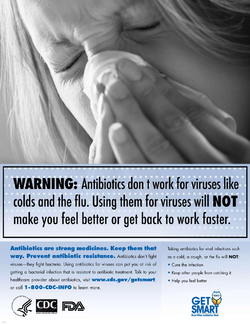
When antibiotics are used incorrectly—such as taking them for viral infections like the common cold—it creates selection pressure. This pressure allows resistant strains to survive and multiply, making future infections much harder to treat.
Future Frontiers in Antimicrobial Therapy
As traditional antibiotics lose efficacy, scientists are exploring innovative ways to combat bacterial infections. The goal is to replenish the antibiotic pipeline and find alternatives that do not rely solely on traditional drug classes.
Emerging Therapies
- Phage Therapy: Using bacteriophages (viruses that infect bacteria) to target specific pathogens.
- Fecal Microbiota Transplants (FMT): An experimental treatment used to combat certain infections, such as C. difficile.
- CRISPR-Cas9: Utilizing gene-editing technology to target bacterial DNA.
- Vaccines: Preventing infections from occurring in the first place to reduce the need for antibiotics.
![Phage injecting its genome into a bacterium. Viral replication and bacterial cell lysis will ensue.[206]](/images/67/01/67013e21aa910560999e6d43b463389082868bcdc86bdf79cbee55972886b892.webp)
![Fecal microbiota transplants are an experimental treatment for C. difficile infection.[179]](/images/f6/6c/f66c9dab437047468fa5b5f6d84393f39ace7777df3f4f3fb34ef27bbfdae176.jpg)
Summary of Antibiotic Concepts
| Category | Examples/Methods | Primary Goal |
|---|---|---|
| Traditional Antibiotics | Penicillin, Synthetic dyes | Inhibit or kill bacteria |
| Biological Alternatives | Phage therapy | Use viruses to kill bacteria |
| Microbiome Support | Fecal microbiota transplants | Restore healthy bacterial balance |
| Prevention | Vaccines | Reduce infection rates |
![Share of population using safely managed sanitation facilities in 2022[213]](/images/ff/42/ff42c57a34c0d1c693a72665ecbeff2f3419393312aad13007d6a0d1d592d550.webp)
Frequently Asked Questions
Do antibiotics work on the flu or a cold?
No. Antibiotics are designed to treat bacterial infections. They are not effective against viral illnesses such as the common cold or the flu.
What is antibiotic resistance?
Antibiotic resistance occurs when bacteria change in response to the use of these medicines, making them harder to kill. This can lead to infections that are difficult or impossible to treat.
How can I help prevent resistance?
You can help by using antibiotics only when prescribed by a healthcare professional and completing the full course of treatment as directed.
What is phage therapy?
Phage therapy involves using bacteriophages—viruses that specifically target and kill bacteria—as an alternative to traditional antibiotic drugs.
Can antibiotics interact with other substances?
Yes, antibiotics can interact with various substances, including alcohol and certain medications like birth control pills, potentially affecting their effectiveness or causing side effects.