St. Louis: The Historic Gateway to the West
Known affectionately as "The Lou" or the "Gateway to the West," St. Louis is a prominent independent city in Missouri. Founded on February 14, 1764, and named after Louis IX of France, the city has evolved from a strategic river outpost into a major American urban center. Its unique status as an independent city means it operates separately from any surrounding county.
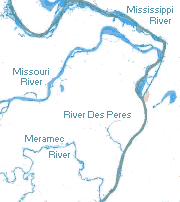
The city's identity is inextricably linked to its geography, sitting along the banks of the Mississippi River, which served as the primary artery for westward expansion in the United States.
![The home of Auguste Chouteau is in St. Louis. Gilbert Antoine de St. Maxent,[14] Chouteau, and Pierre Laclède founded St. Louis in 1764.](/images/c1/e3/c1e34abc2c39cb593abc2a83aafe99c8ec29337046fb672042310b745692e3c2.jpg)
Key Facts
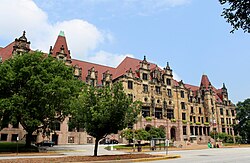
- Founded: February 14, 1764, by Gilbert Antoine de St. Maxent, Auguste Chouteau, and Pierre Laclède.
- Population: 301,578 (2020 Census), with a metropolitan population of approximately 2.8 million.
- Economy: A diverse economic base with a Greater St. Louis GDP of $209.9 billion (2022).
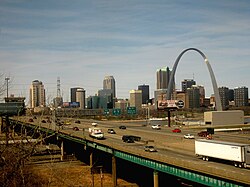
- Landmarks: Home to the iconic Gateway Arch and the expansive Forest Park.
- Major Employers: BJC Health Care and Washington University are among the largest employers.
History and Evolution
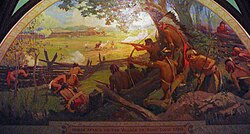
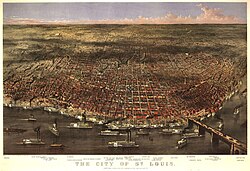
The origins of St. Louis date back to the Mississippian culture and subsequent European exploration. The city was formally established in 1764, becoming a vital hub for trade and exploration. During the American Revolutionary War, the city faced challenges, including an unsuccessful attack by British-allied Native Americans in 1780.
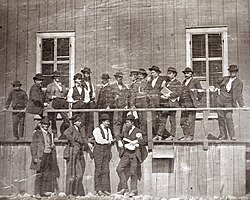
The 19th century saw rapid growth, though it was marked by periods of turmoil, including the St. Louis Fire of 1849 and the complexities of the slave trade, exemplified by markets like Lynch's on Locust Street.
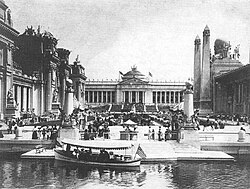
By the late 19th and early 20th centuries, St. Louis emerged as a global destination, most notably hosting the 1904 World's Fair, which showcased the city's industrial and cultural ambitions to the world.
Geography and Climate
St. Louis is characterized by its riverfront topography and a humid continental climate. The city experiences significant seasonal temperature swings, with record highs reaching 115°F and record lows dropping to −22°F.
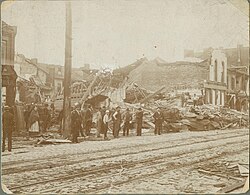
The region is also known for its vulnerability to severe weather. Notable events include the devastating tornado of May 27, 1896, and more recent activity continuing into the 2020s.

Demographics and Urban Landscape
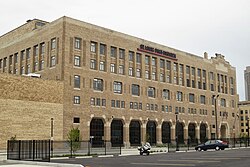
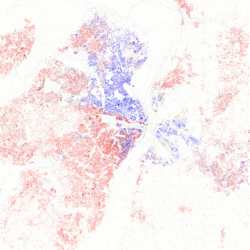
The demographic makeup of St. Louis has shifted significantly over the last century. While the city saw a population peak in the mid-20th century, it has experienced a decline in recent decades. As of the 2020 Census, the population is approximately 43.9% White and 43.0% Black.

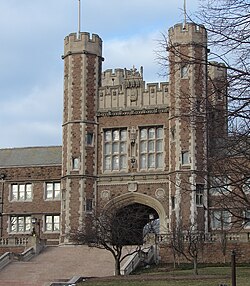
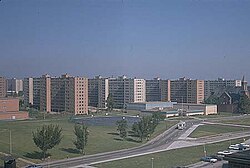
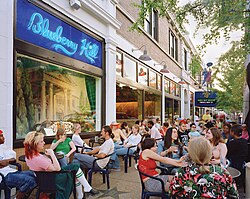
The city's urban development has seen both triumphs and failures. The Pruitt-Igoe housing project, constructed in 1954, became a symbol of urban decay and segregation before its demolition in 1972. Conversely, neighborhoods like the Delmar Loop remain vibrant hubs of activity near Washington University.
Economy and Infrastructure
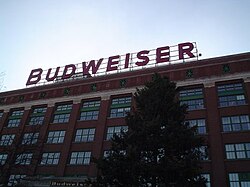
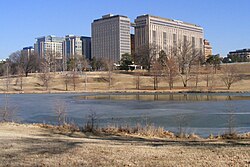
The economy of St. Louis is driven by healthcare, education, and aerospace. BJC Health Care and Washington University are the dominant employers in the region, while Boeing Defense, Space & Security maintains a significant presence.
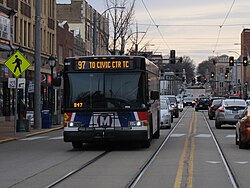
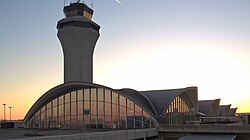
Transportation is facilitated by a comprehensive network including Interstate 64, the MetroLink light rail system, and St. Louis Lambert International Airport.

Arts, Culture, and Recreation

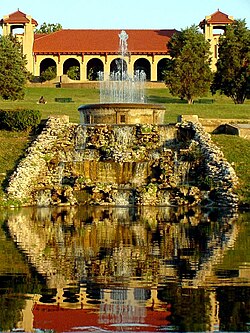
St. Louis is a center for the arts and athletics. Forest Park is one of the city's greatest assets, housing the St. Louis Zoo, the Art Museum, and the Science Center.
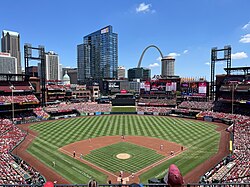
The city is also a powerhouse in professional sports, boasting legendary teams like the St. Louis Cardinals (MLB) and the St. Louis Blues (NHL), as well as the newer St. Louis City SC (MLS).


Beyond traditional sports, the city has a strong intellectual culture, hosting the annual Sinquefield Cup chess tournament.

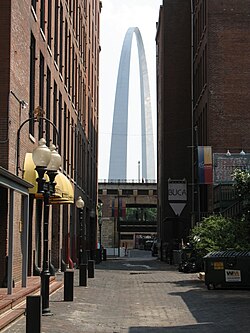
The architectural skyline is dominated by the Gateway Arch, completed in 1965, which stands as a monument to the pioneers who traveled west.
| Category | Detail |
|---|---|
| Founded | February 14, 1764 |
| 2020 Population | 301,578 |
| Metro Population | 2,809,299 |
| GDP (Greater St. Louis) | $209.9 Billion (2022) |
| Major Sports Teams | Cardinals, Blues, City SC |
Frequently Asked Questions
Who founded St. Louis?
St. Louis was founded on February 14, 1764, by Pierre Laclède, Auguste Chouteau, and Gilbert Antoine de St. Maxent.
What is the significance of the Gateway Arch?
Completed in 1965, the Gateway Arch is a monument symbolizing St. Louis's role as the starting point for westward expansion in the United States.
What are the largest employers in the city?
The top employers within the city limits include Washington University and Barnes-Jewish Hospital.
What is the climate like in St. Louis?
St. Louis has a humid continental climate with hot, humid summers and cold winters, and it is prone to severe weather, including tornadoes.
Which professional sports teams play in St. Louis?
The city is home to the St. Louis Cardinals (MLB), the St. Louis Blues (NHL), and St. Louis City SC (MLS).