Mississippi River: The Mighty Waterway of North America
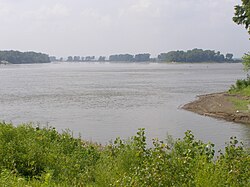
Known by many as "Old Man River," "The Mighty Mississippi," or the "Father of Waters," the Mississippi River is one of the world's most significant river systems. Its name originates from the Ojibwe word Misi-ziibi, which translates to "Great River." Flowing through the heart of the United States, it serves as a vital artery for commerce, ecology, and history, connecting the northern forests of Minnesota to the tropical shores of the Gulf of Mexico.
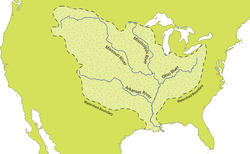
The river's immense scale is reflected in its basin, which drains a vast portion of the North American continent. This watershed encompasses a diverse array of landscapes, supporting countless communities and a rich variety of wildlife.
Key Facts
- Total Length: 2,340 miles (3,766 km).
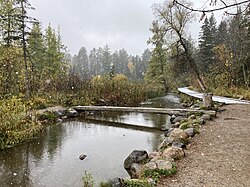
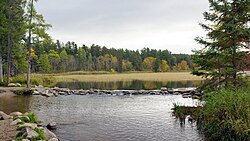
- Source: Lake Itasca in Itasca State Park, Minnesota.
- Mouth: Gulf of Mexico at Pilottown, Louisiana.
- Basin Size: Approximately 1,151,000 square miles (increasing to 1,245,000 square miles when including the Atchafalaya).
- States Traversed: Minnesota, Wisconsin, Iowa, Illinois, Missouri, Kentucky, Tennessee, Arkansas, Mississippi, and Louisiana.
- Major Hubs: Minneapolis–Saint Paul, St. Louis, Memphis, New Orleans, and Baton Rouge.
Geography and Physical Characteristics
The Journey from Source to Sea
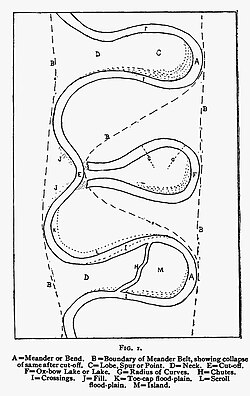
The Mississippi begins its journey at an elevation of 1,475 feet at Lake Itasca. From this modest start, it flows southward, gradually gaining volume and power as it collects water from numerous tributaries.
The river is traditionally divided into three primary sections:
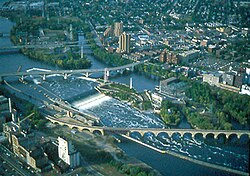
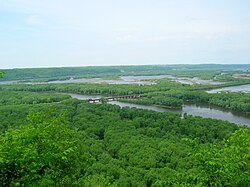
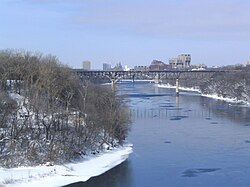
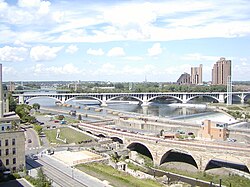
- Upper Mississippi: Extending 493 miles from the source to Saint Anthony Falls in Minneapolis, Minnesota.
- Middle Mississippi: The central stretch where the river continues to expand.
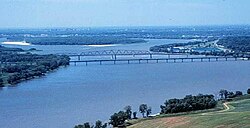
- Lower Mississippi: The final reach, demarcated from the Middle Mississippi at the confluence of the Ohio River at Cairo, Illinois.
Hydrology and Discharge
The discharge—the volume of water flowing through the river per unit of time—varies significantly depending on the location and season. For example, at Vicksburg, the average discharge is approximately 738,500 cubic feet per second (cu ft/s), though it has reached maximums of 2,340,000 cu ft/s. In contrast, the discharge at St. Paul is much lower, averaging around 13,040 cu ft/s.
Navigation and Infrastructure
Commercial Importance
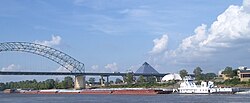
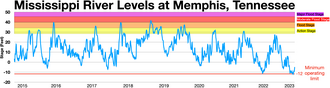
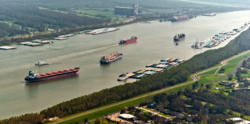
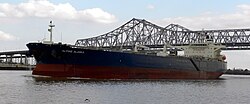
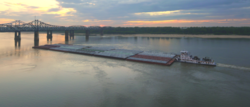
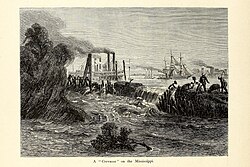
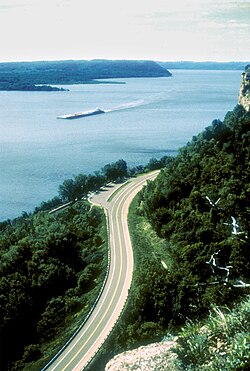
The Mississippi is a cornerstone of American transport. Large towboats and barges move massive quantities of goods across the interior of the country. However, navigation is not without challenges; shifting sandbars historically made travel difficult, and extreme weather can cause significant disruptions.
In late 2022, low river levels caused backups on the Lower Mississippi, stalling over 100 towboats and 2,000 barge units, which led to a surge in barge rates.
![Downbound barge rates In late 2022 there was low river levels that caused two backups on the Lower Mississippi River that held up over 100 tow boats with 2,000 barge units and caused barge rates to soar[75][76]](/images/51/8b/518bbd3249b8444b75cef9643b3f52ea6f2cd0924b596b2ec4e74de9335c77cc.png)
Engineering and Flood Control
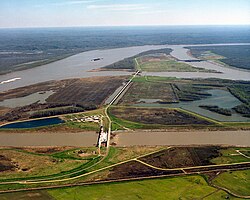
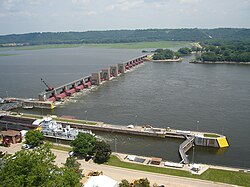
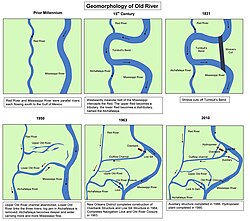
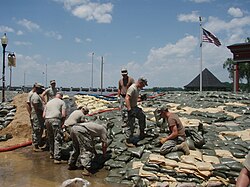
To manage the river's volatile nature, the U.S. Army Corps of Engineers has implemented extensive flood control measures, including levees and the Old River Control Structure. This complex is critical in preventing the Mississippi from naturally diverting its course into the Atchafalaya River.
Historical and Cultural Significance
Exploration and Colonization
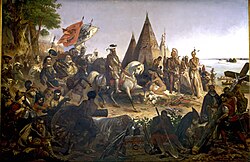
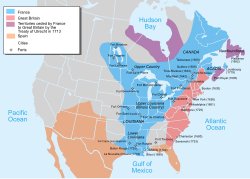
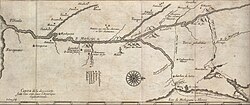
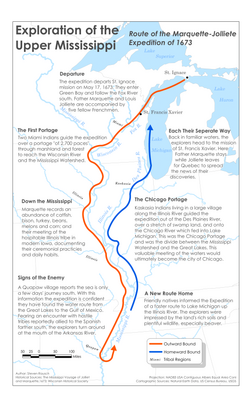
The river has been a focal point for exploration for centuries. Spanish conquistador Hernando de Soto is credited with one of the first European sightings of the river in 1541. Later, French explorers Marquette and Jolliet mapped the river in 1673, leading to the establishment of various French settlements across North America by 1750.
Conflict and Commerce
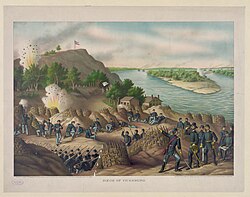
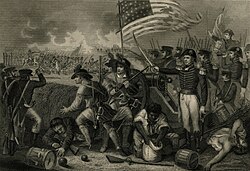
The river played a strategic role in the War of 1812 and the American Civil War. The Battle of Vicksburg, for instance, was a pivotal moment in the Civil War, as control of the river was essential for dividing the Confederacy.
Ecology and Environment
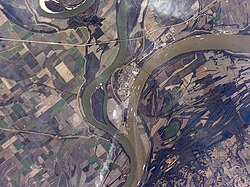
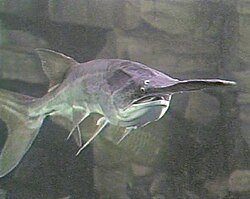
The Mississippi River basin is a biodiversity hotspot. It is home to unique species such as the American paddlefish, an ancient relict species. The river's ecosystem supports a wide array of fish and fauna, though it faces ongoing challenges from pollution and invasive species.
| Feature | Detail |
|---|---|
| Length | 2,340 miles |
| Source | Lake Itasca, MN |
| Mouth | Gulf of Mexico, LA |
| Basin Area | 1.15 - 1.24 million sq miles |
| Primary Divisions | Upper, Middle, and Lower Mississippi |
| Key Tributaries | Missouri River, Ohio River |
Frequently Asked Questions
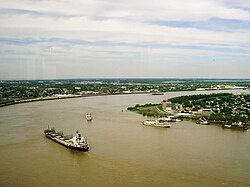
![Reconstructed and historical courses of the Lower Mississippi River (sheet 7/15)[57]](/images/0f/c2/0fc24859aafbb41043277cfa1e0f3bb92552ebcbac17c6bd611c95c1590e4999.jpg)
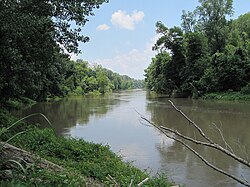
![Project design flood flow capacity for the Mississippi river in thousands of cubic feet per second.[85]](/images/4b/20/4b20930bb14d1e2c62b0f27ecb02828abdee94b44a4fad3c444afa2821c868cb.gif)
Where does the Mississippi River start and end?
The river traditionally begins at Lake Itasca in Itasca State Park, Minnesota, and ends at the Gulf of Mexico in Pilottown, Louisiana.
What is the Old River Control Structure?
It is a complex of dams and engineering works designed to prevent the Mississippi River from changing its course and flowing primarily into the Atchafalaya River.
Which cities are the largest along the river?
The largest metropolitan areas along the river include Minneapolis–Saint Paul, St. Louis, Memphis, New Orleans, and Baton Rouge.
How does the river affect the Gulf of Mexico?
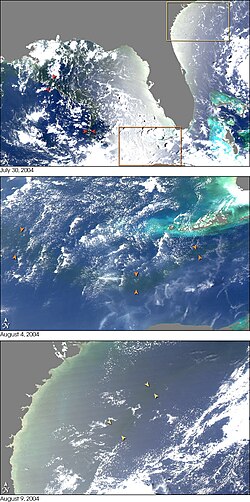
The river delivers a massive volume of fresh water into the Gulf of Mexico, creating a distinct outflow plume that affects the salinity and ecology of the coastal waters.
What is the difference between the Upper and Lower Mississippi?
The Upper Mississippi runs from the source to Saint Anthony Falls in Minneapolis. The Lower Mississippi begins at the confluence of the Ohio River in Cairo, Illinois, and extends to the Gulf of Mexico.