New Orleans: The Vibrant History and Culture of the Crescent City
Known by many names—from The Big Easy and The Crescent City to NOLA—New Orleans is a city of profound contradictions and enduring charm. Founded in 1718 by Jean-Baptiste Le Moyne de Bienville and named after Philippe II, Duke of Orléans, this consolidated city-parish serves as a cultural crossroads where French, Spanish, African, and American influences converge.
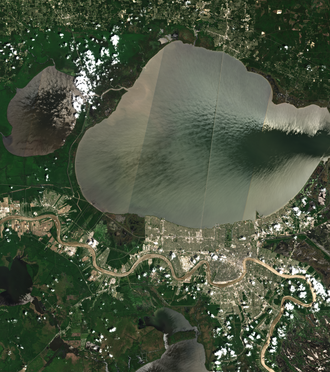
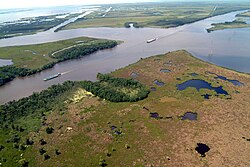
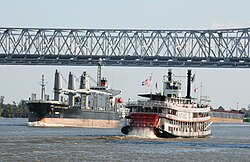
Situated along the banks of the Mississippi River and bordering Lake Pontchartrain, the city is as famous for its festive spirit as it is for its challenging geography. From the jazz-filled streets of the French Quarter to the towering skyscrapers of the Central Business District, New Orleans remains one of the most distinctive urban landscapes in the United States.
Key Facts
- Founded: 1718 by Jean-Baptiste Le Moyne de Bienville.
- Geography: A consolidated city-parish with a significant water area (52% of its total area).
- Economy: A major port city with a metro GDP of approximately $102.437 billion (2023).
- Culture: World-renowned for Jazz music, Mardi Gras, and Creole cuisine.
- Climate: Humid subtropical, prone to tropical cyclones and hurricanes.
A Journey Through History
Colonial Roots and the Louisiana Purchase
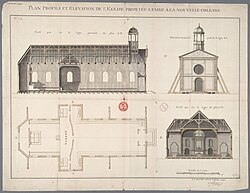
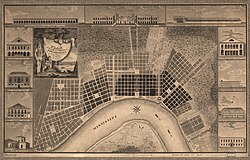
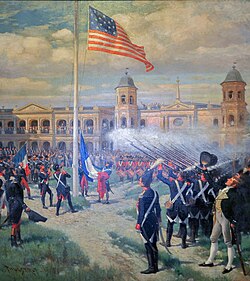
The early years of New Orleans were defined by French and Spanish colonial rule. This era left an indelible mark on the city's architecture and legal traditions. A pivotal moment occurred on December 20, 1803, when the Louisiana Purchase transferred sovereignty from France to the United States.
Conflict and Growth
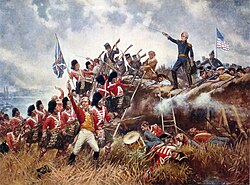
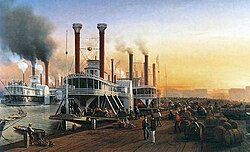
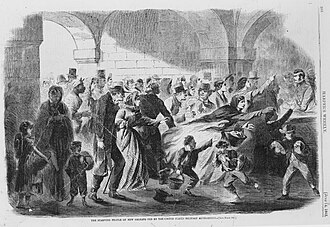
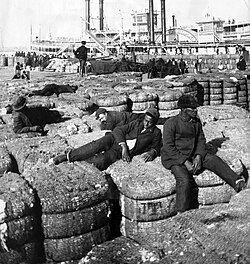
The city played a strategic role in early American history, most notably during the Battle of New Orleans. The antebellum period saw the city grow into a commercial powerhouse, though this growth was inextricably linked to the slave trade, with the Rotunda serving as a site for the sale of estates and enslaved people.
![Sale of Estates, Pictures and Slaves in the Rotunda at New Orleans, 1842[63]](/images/1a/8e/1a8ec7fafb8ee358f62fdf0db2e045f75c710c4bad4030ba0604f55bc0e50cce.jpg)
The Modern Era and Resilience
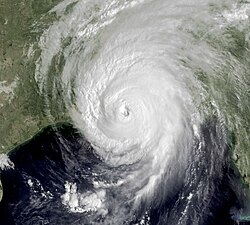
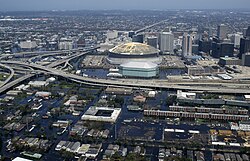
Throughout the 20th century, New Orleans became a global epicenter for music, particularly jazz. However, the city has also faced immense challenges. The 21st century was marked by the devastation of Hurricane Katrina in 2005, which caused catastrophic flooding and tested the city's infrastructure and the resolve of its people.
Geography and Urban Landscape
Elevation and Water Management
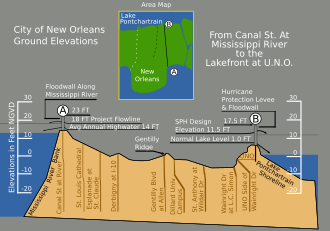
New Orleans is characterized by its low elevation, ranging from -6.6 to 19.7 feet. Because much of the city sits below sea level, it relies on a complex system of levees to protect against the Mississippi River and Lake Pontchartrain.
Cityscape and Architecture
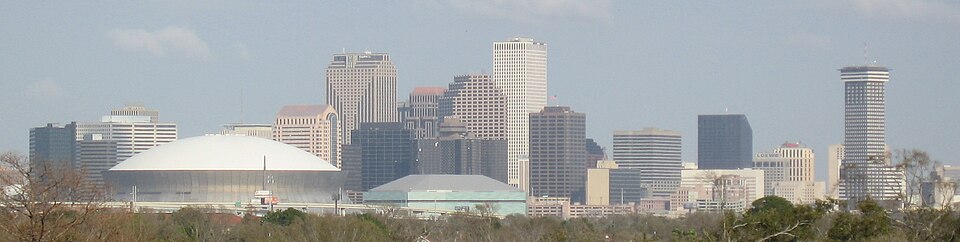
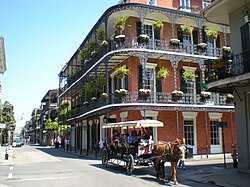
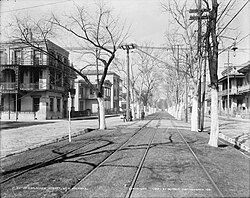
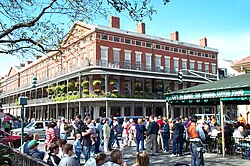
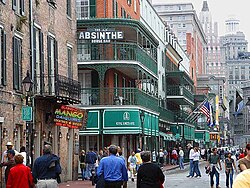
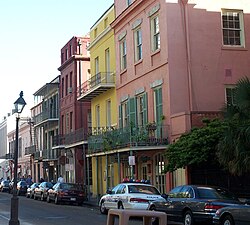
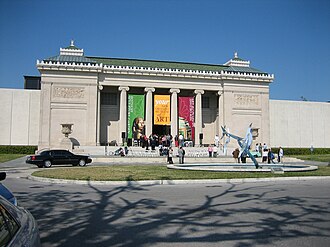
The city's architecture varies from the historic wrought-iron balconies of the French Quarter to the modern skyline of the Central Business District. The tallest building in the city is One Shell Square, reaching a height of 697 feet.
City Infrastructure Summary
| Feature | Detail |
|---|---|
| Total Area | 349.85 sq mi |
| Land Area | 169.42 sq mi |
| Water Area | 180.43 sq mi |
| Tallest Building | One Shell Square (697 ft) |
| Primary Waterways | Mississippi River, Lake Pontchartrain |
Climate and Environment
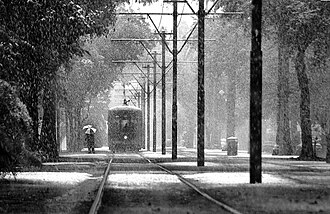
The city experiences a humid climate with significant precipitation, averaging over 63 inches annually. Summers are hot and humid, while winters are generally mild, though occasional snow can occur.
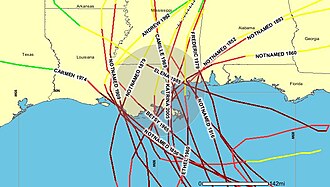
The most significant environmental threat comes from tropical cyclones. Category 3 or greater hurricanes have historically posed a recurring risk to the region's safety and infrastructure.
Demographics and Society
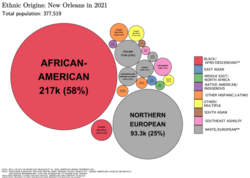
New Orleans is a diverse metropolis. As of 2020, the population of the consolidated city-parish was 383,997. The city has a rich ethnic tapestry, with a significant Black or African American population (53.61% in 2020) and a growing Hispanic or Latino community (8.08% in 2020).
Education and Institutions
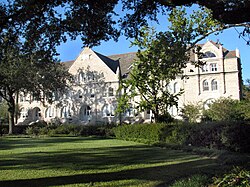
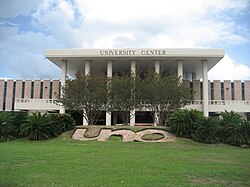
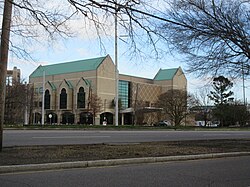
The city is a hub for higher education, hosting several prestigious institutions including Tulane University, the University of New Orleans, and Xavier University of Louisiana.
Culture, Tourism, and Economy
The Arts and Entertainment
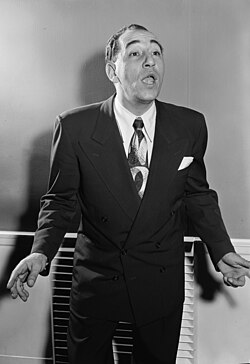
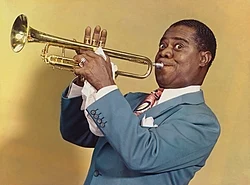
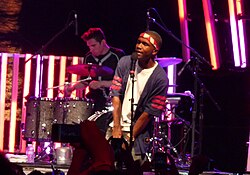
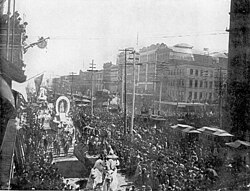
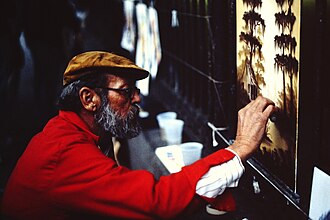
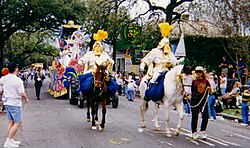
Music is the heartbeat of New Orleans. From the legendary contributions of Louis Armstrong to modern artists like Frank Ocean, the city's influence on jazz, swing, and blues is global. The city is also world-famous for Mardi Gras, featuring elaborate parades and krewes.
Cuisine and Landmarks
New Orleans is a culinary destination, famous for its Creole and Cajun flavors. Landmarks such as Café du Monde, established in 1862, continue to attract visitors with traditional beignets.
Economy and Transport
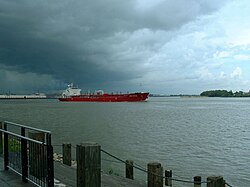
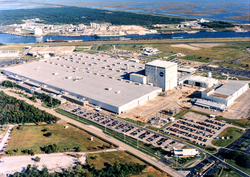
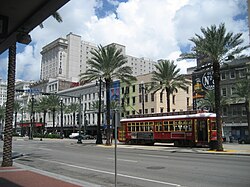
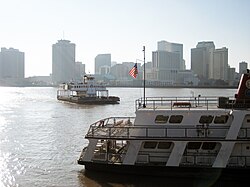
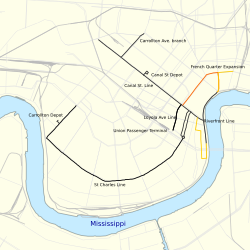
The economy is driven by the port, tourism, and federal agencies, including NASA's Michoud Assembly Facility. Transportation is uniquely characterized by its historic streetcar network and ferries connecting the city to Algiers and Gretna.
Frequently Asked Questions

What are the most common nicknames for New Orleans?
The city is frequently called The Crescent City, The Big Easy, NOLA, The City That Care Forgot, The City of Yes, Hollywood South, and The Creole City.
Who founded New Orleans and when?
New Orleans was founded in 1718 by Jean-Baptiste Le Moyne de Bienville.
How does the city manage its low elevation?
New Orleans utilizes a system of levees to protect the city from flooding, with some levees reaching a maximum height of 23 feet to manage the water levels of the Mississippi River and Lake Pontchartrain.
What are the major professional sports teams in New Orleans?
The city is home to the New Orleans Saints (NFL) and the New Orleans Pelicans (NBA).
Which universities are located within the city?
Notable institutions include Tulane University, Loyola University New Orleans, University of New Orleans, Xavier University of Louisiana, and Southern University at New Orleans, among others.