Sonny Rollins: The Life and Legacy of the Saxophone Colossus
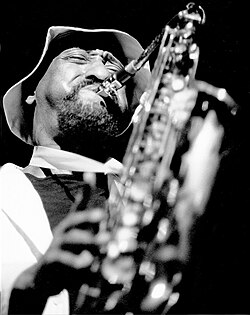
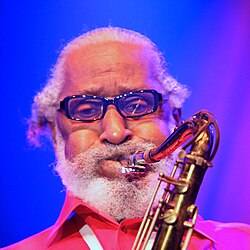
Few figures in the history of music have commanded the saxophone with as much power, intellect, and restlessness as Sonny Rollins. Known as the "Saxophone Colossus," Rollins was not merely a performer but a relentless explorer of sound, redefining the possibilities of jazz improvisation over a career that spanned nearly seven decades. From the gritty streets of Harlem to the world's most prestigious concert halls, his journey was marked by a unique commitment to artistic growth and a daring willingness to step away from the spotlight to refine his craft.
Rollins was a master of multiple instruments, including the alto, tenor, and soprano saxophones, though he is most celebrated for his work on the tenor. His style helped define hard bop—a subgenre of jazz that incorporated influences from rhythm and blues, gospel music, and bebop—bringing a muscular yet melodic approach to the instrument.

Key Facts
- Full Name: Walter Theodore Rollins
- Active Years: 1947–2014
- Primary Instruments: Tenor, Alto, and Soprano Saxophones
- Key Genres: Jazz and Hard Bop
- Major Honors: Grammy Lifetime Achievement Award, National Medal of Arts, and Kennedy Center Honors
- Date of Death: May 25, 2026 (aged 95)
The Evolution of a Jazz Giant
Early Career and Rise (1949–1956)
Rollins emerged in the late 1940s, quickly establishing himself as a formidable force in the New York jazz scene. During this period, he developed the thematic improvisation style that would become his trademark, moving beyond simple chord changes to create complex, evolving musical narratives.
The Bridge and Musical Sabbaticals
One of the most fascinating aspects of Rollins' career was his practice of taking "sabbaticals"—extended periods of silence and study. Between the summer of 1959 and the fall of 1961, he engaged in a period of intense practice that became legendary in jazz lore. During this time, he famously practiced on a New York City bridge, using the open space to hone his sound and explore the spiritual dimensions of music.
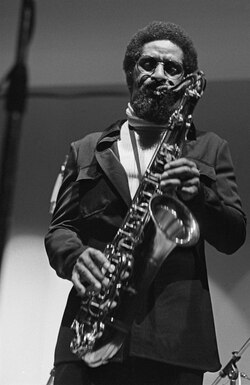
This era of exploration led to some of his most influential work, emphasizing a bridge between traditional jazz and more avant-garde explorations. He would later take a second sabbatical between 1969 and 1971, further cementing his reputation as a musician who prioritized artistic integrity over commercial consistency.
Resurgence and Later Years (1971–2014)
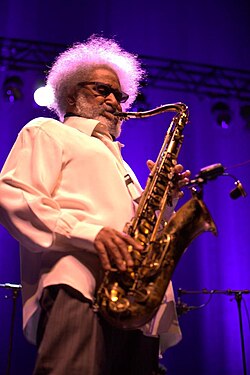
Returning to the scene in 1971, Rollins entered a period of career resurgence. He continued to tour globally, performing at iconic venues and festivals, and recording for prestigious labels such as Blue Note, Prestige, and RCA Victor. Even as he entered his later years, his energy remained potent, performing at the Newport Jazz Festival in 2008 and the Stockholm Jazz Festival in 2009.
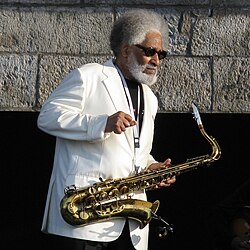
Rollins eventually retired from active performance in 2014, leaving behind a massive discography and a legacy of uncompromising excellence.
Honors and Academic Recognition
The depth of Rollins' influence is reflected in the staggering number of honorary degrees and awards he received. He was recognized by some of the world's leading musical and academic institutions, including Juilliard, Berklee College of Music, and Duke University. His contributions to American culture were formally recognized with the National Medal of Arts in 2010 and the Kennedy Center Honors in 2011.
| Category | Details |
|---|---|
| Instruments | Tenor, Alto, and Soprano Saxophones |
| Key Labels | Blue Note, Prestige, RCA Victor, Milestone, Contemporary, Doxy, Okeh, EmArcy |
| Major Awards | Grammy Lifetime Achievement, Polar Music Prize, National Medal of Arts |
| Academic Honors | Honorary Doctorates from Juilliard, Berklee, Duke, and others |
| Career Span | 1947–2014 |
Frequently Asked Questions
What was Sonny Rollins' primary instrument?
While he played the alto and soprano saxophones, Sonny Rollins is most famous for his mastery of the tenor saxophone.
What is "hard bop" in the context of Rollins' music?
Hard bop is a style of jazz that evolved from bebop, incorporating stronger elements of rhythm and blues, gospel, and a more soulful, driving sound, which Rollins helped pioneer.
Why did Sonny Rollins take sabbaticals?
Rollins took extended breaks from performing to focus on self-study, practice, and spiritual growth, ensuring that his music remained fresh and authentic rather than repetitive.
Which labels did Sonny Rollins record for?
Throughout his career, he recorded for several influential labels, including Blue Note, Prestige, RCA Victor, Milestone, Contemporary, Doxy, Okeh, and EmArcy.
When did Sonny Rollins retire?
Sonny Rollins' active performing career spanned from 1947 until his retirement in 2014.