Jazz History: From African Roots to Global Fusion
Jazz is a profound and multifaceted musical genre that has shaped global culture for over a century. Born from a complex blend of musical traditions, it is characterized by its emphasis on improvisation—the art of creating music spontaneously—and a unique rhythmic sensibility. From its early development in the United States to its evolution into countless subgenres and fusion styles, jazz remains a living, breathing testament to human creativity.
The Stylistic and Cultural Origins of Jazz
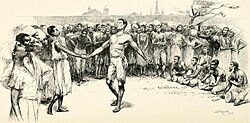
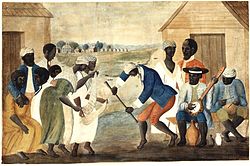
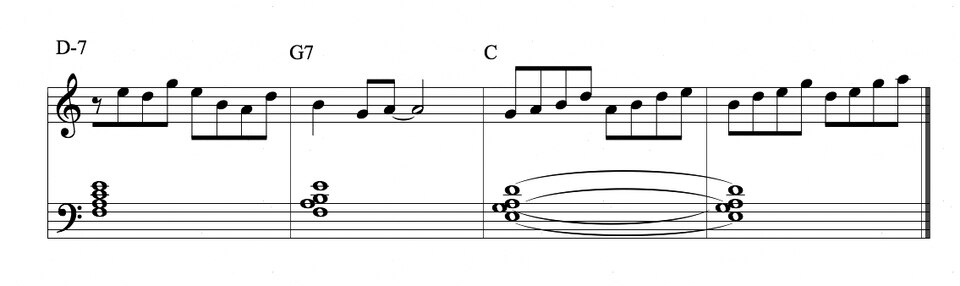
The foundations of jazz lie in the intersection of various musical traditions. It emerged from a synthesis of West African music, European classical music, spirituals, folk music, marches, and the blues. A critical component of this development was the use of pentatonic scales (scales consisting of five notes) from African musical traditions, which contributed to the creation of "blue notes"—notes played or sung at a slightly different pitch than the major scale for expressive purposes.
Key stylistic precursors include:
- Blues: A foundational genre that provided much of the emotional and harmonic structure for jazz.
- Ragtime: A style characterized by its syncopated (off-beat) rhythms, which helped bridge the gap between classical structures and jazz.
- Spirituals and Folk: Deeply rooted communal music that informed the genre's soulful qualities.
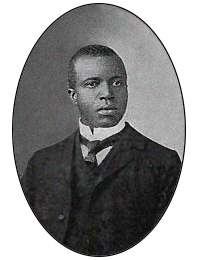
Early Development and the New Orleans Sound
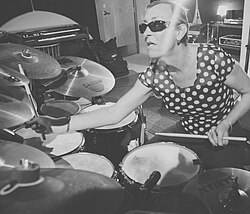
While jazz has many roots, New Orleans is widely recognized as a primary birthplace. In the early 20th century, the city's unique cultural landscape allowed for the blending of Afro-Creole sensibilities with various musical influences. One of the most significant figures in this era was Jelly Roll Morton, an Afro-Creole pianist who composed "Jelly Roll Blues." Published in 1915, it was the first jazz arrangement to be printed, helping to formalize the New Orleans style for a wider audience.

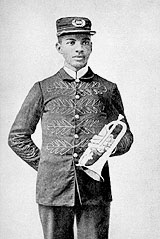
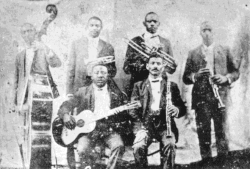
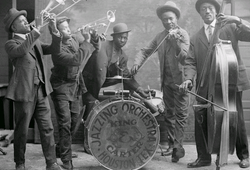
As the music spread, the Jazz Age took hold. By the 1920s, musicians were moving from New Orleans to major hubs like Chicago and New York City. This era saw the rise of legendary performers and the development of "Hot Jazz," as well as the emergence of the first black jazz bands from New Orleans to make recordings in cities like San Francisco and Los Angeles.
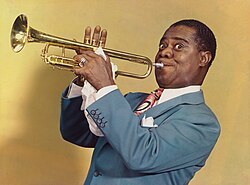
The Evolution of Subgenres: From Swing to Bebop

As jazz matured, it branched into distinct styles that reflected changing social and musical landscapes.
The Swing Era and Big Band
During the 1920s and 1930s, Swing became the dominant popular music. This era was defined by large ensembles known as Big Bands, which provided the rhythmic drive for dancers across the globe.
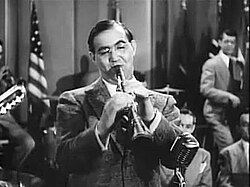
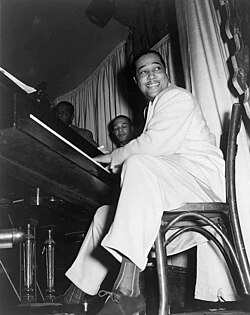
Bebop and the Rise of Modern Jazz
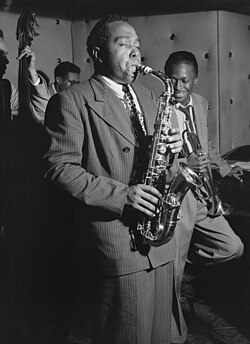
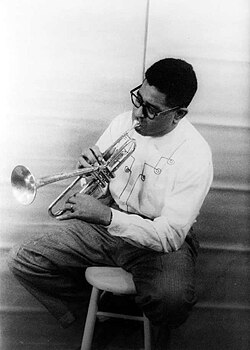
In response to the commercialism of swing, musicians developed Bebop in the 1940s. Bebop was faster, more complex, and focused on technical virtuosity and intricate improvisations. This shift moved jazz from dance halls to listening clubs, marking the beginning of jazz as a sophisticated art form.
Hard Bop and Modal Jazz
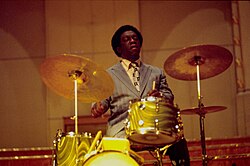
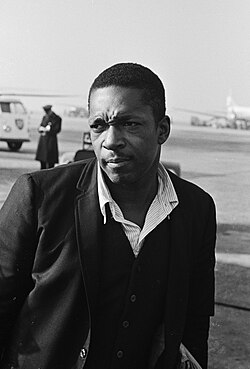
By the mid-1950s, Hard Bop emerged as an extension of bebop, incorporating stronger influences from gospel, blues, and rhythm and blues. It was often described as "funky" and served as a reaction to the smoother sounds of cool jazz. Shortly after, Modal Jazz emerged, focusing on musical scales (modes) rather than rapid chord changes, allowing for greater improvisational freedom.
Global Influences and Jazz Fusion
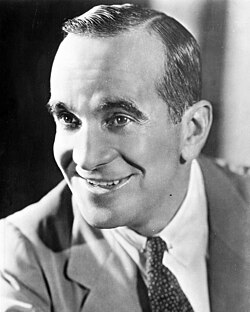
Jazz has never been static; it constantly absorbs new influences. Latin Jazz and Afro-Cuban Jazz (often called "cu-bop") introduced complex cross-rhythms, such as the 3:2 hemiola, into the jazz vocabulary. Musicians like Dizzy Gillespie and Chano Pozo were instrumental in this fusion.
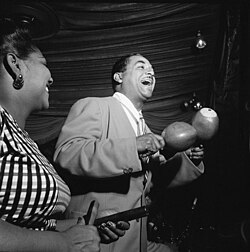
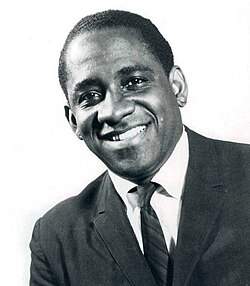
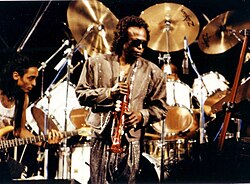
In the late 1960s, the genre underwent another massive transformation with the advent of Jazz Fusion. This movement blended jazz improvisation with the electric instruments and rhythms of rock, funk, and electronic music. Pioneers like Miles Davis led the way into these new sonic territories.

Key Facts
- Origins: A blend of West African music, European classical music, blues, and ragtime.
- Core Element: Improvisation is the defining characteristic of jazz performance.
- Key Instrumentality: Common instruments include trumpet, saxophone, piano, double bass, drums, and trombone.
- Major Eras: Includes the Swing Era, the Bebop revolution, and the Jazz Fusion movement.
- Rhythmic Innovation: The use of syncopation and cross-rhythms (like the 3:2 hemiola) is central to the genre.
Summary of Jazz Evolution

| Era/Style | Key Characteristics | Primary Focus |
|---|---|---|
| Early Jazz / New Orleans | Blended African and European sensibilities | Collective improvisation |
| Swing | Big band arrangements, danceable rhythms | Ensemble performance |
| Bebop | Fast tempos, complex harmonies | Technical virtuosity |
| Hard Bop | Incorporation of blues and gospel | Soulful, rhythmic drive |
| Fusion | Electric instruments, rock/funk influence | Genre blending |
Frequently Asked Questions
![C pentatonic scale beginning on the I (C pentatonic), IV (F pentatonic), and V (G pentatonic) steps of the scale.[clarification needed]](/images/ff/80/ff80e497b791697249117ae6f698bc8a84d2aef26133837fd724c0d16f2bda4b.jpg)
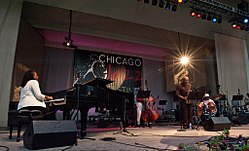

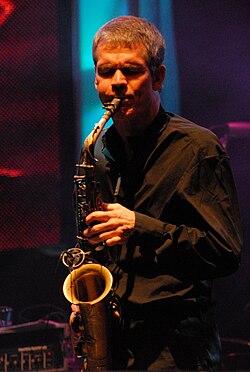

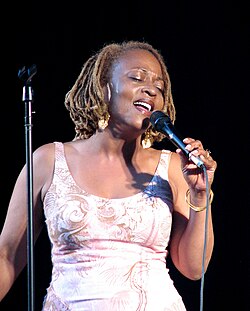

What is the difference between bebop and swing?
Swing was primarily designed for dancing and featured large big bands with structured arrangements. Bebop, conversely, was more complex, played at faster tempos, and was intended for attentive listening rather than dancing.
How did African music influence jazz?
African musical traditions contributed essential elements such as rhythmic complexity, the use of pentatonic scales, and the development of "blue notes," which are central to the jazz sound.
What is jazz fusion?
Jazz fusion is a subgenre that emerged in the late 1960s, combining the improvisational nature of jazz with the electronic instruments and rhythmic structures of rock, funk, and electronic music.
What are the most common instruments in a jazz band?
While jazz uses a vast array of instruments, common ones include the saxophone, trumpet, piano, double bass, drums, trombone, and clarinet.
What is syncopation?
Syncopation is a musical technique where the emphasis is placed on the off-beats or unexpected beats, creating the rhythmic drive and "swing" feel characteristic of the genre.