Slavery: Historical Evolution and Modern Manifestations
Slavery is the ownership of one person by another as property, primarily for the purpose of exploiting their labour. As an economic phenomenon, its history is deeply intertwined with the development of global trade and social hierarchies. Enslavement occurs when a person is placed into this state of bondage, where their residence and work are dictated by the party that holds ownership over them.
Throughout human history, the causes of enslavement have varied. Many individuals were enslaved as a result of breaking the law, falling into debt, suffering military defeat, or through systemic exploitation for cheaper labour. In other instances, slavery was instituted along demographic lines, specifically race or sex. While most slavery is involuntary and coercive, some individuals historically entered into bondage voluntarily to escape extreme poverty or settle debts.
Historically, slavery was a common feature of most civilizations. While it is now outlawed in every country worldwide—except where used as a legal punishment for a crime—it continues to persist in clandestine or de facto forms (conditions of unfree labour that exist regardless of legal status).
Key Facts
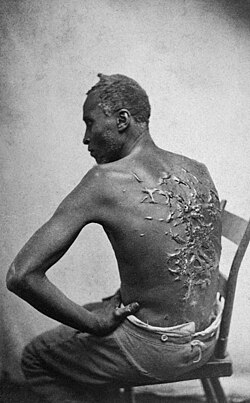
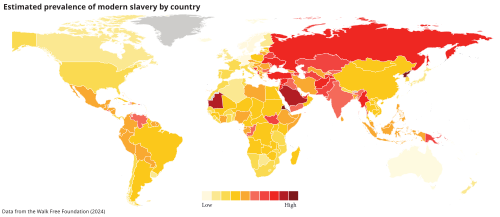
- Global Prevalence: As of 2019, approximately 40 million people remained enslaved worldwide, with children accounting for 26% of this population.
- Regional Distribution: Modern slavery is most concentrated in Asia and the Pacific (60%), followed by Africa (23%), Europe and Central Asia (9%), the Americas (5%), and Arab states (1%).
- Economic Drivers: Over 50% of modern slaves provide forced labour, predominantly within private sector factories and sweatshops.
- Legal Status: Chattel slavery, where a person is legally rendered personal property, is no longer legally recognized anywhere in the world.
Types and Characteristics of Slavery
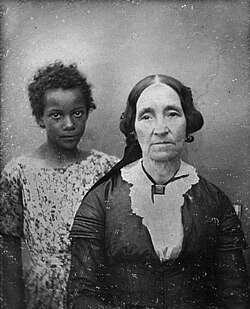
Chattel Slavery and Bonded Labour
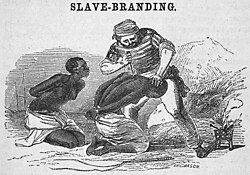
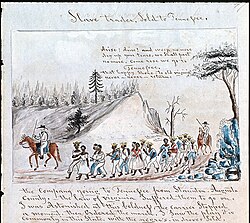
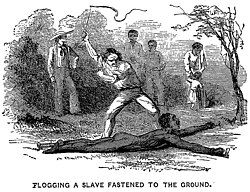
In chattel slavery, the enslaved person is legally treated as the personal property of the owner. This differs from bonded labour, where a person may be enslaved for a fixed period to pay off a debt. Historically, these systems ranged from domestic service to high-intensity productive labour.
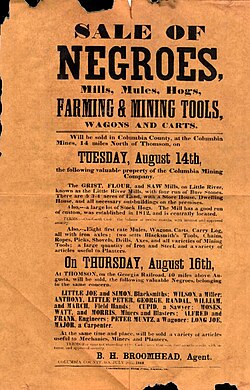
Modern Forms of Enslavement
In the contemporary world, slavery manifests in several distinct ways depending on the economic development of the region:
- Human Trafficking: Common in industrialized nations, involving the movement of people through force or deception for exploitation.
- Debt Bondage: Prevalent in non-industrialized countries, where people are forced to work to pay off an ever-increasing debt.
- Forced Marriage: The coercion of individuals into marriages without their consent.
- Child Soldiers: The forced recruitment of children into armed conflicts.
A Global History of Bondage
Ancient and Medieval Systems
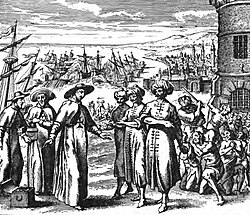
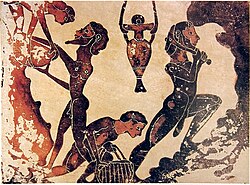
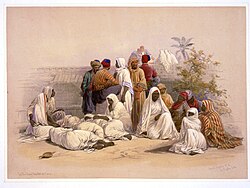
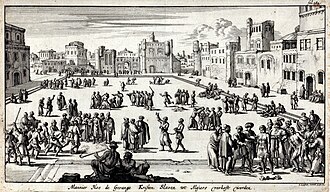
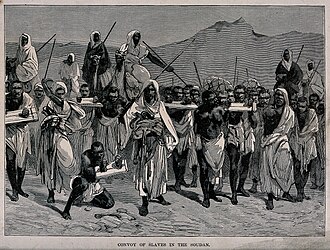
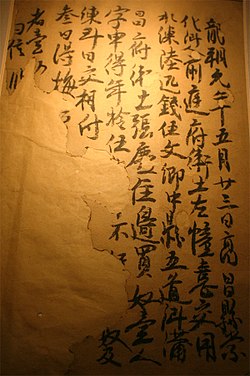
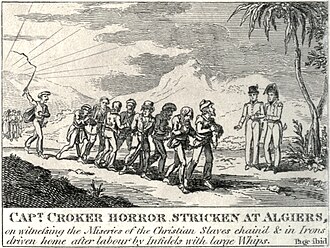
Slavery existed in early civilizations across the globe. In Ancient Greece and Rome, it was a foundational economic pillar. In East Asia, records from the Tang dynasty show the purchase of slaves using silk and coins. In the Middle East and North Africa, slave markets were common, and groups like the Mercedarians worked specifically to ransom Christian slaves held in North Africa.
![13th-century slave market in Yemen[26]](/images/d1/1b/d11be01e4cdd167d887f83cc91a8d3c21b67523d7ad3e97481f6c9396054b851.jpg)
The Americas and the Atlantic Trade
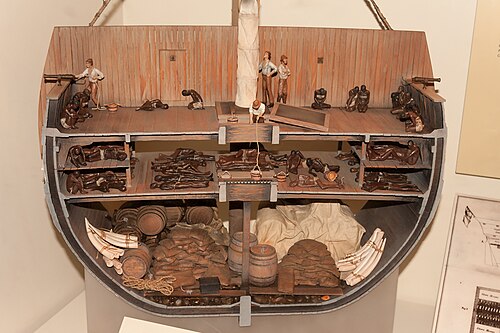
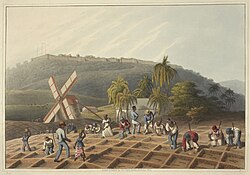
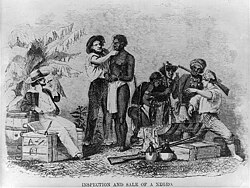
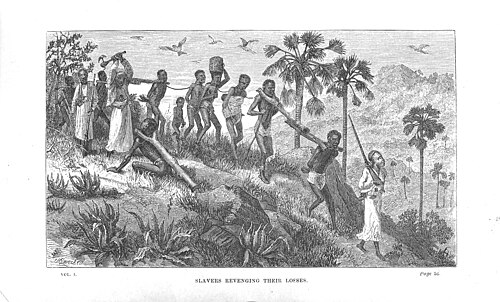
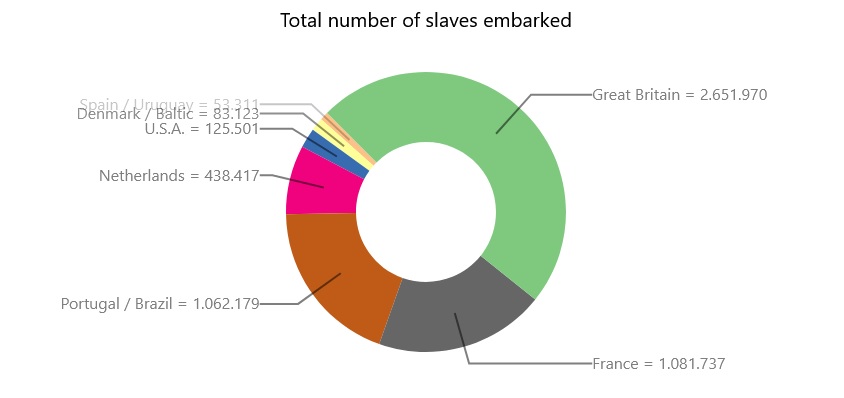
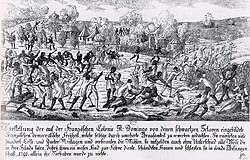
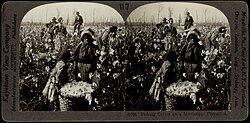
The Atlantic slave trade saw millions of Africans forcibly transported to the Americas. This system was characterized by the Middle Passage, the brutal sea voyage from Africa to the New World. In the Americas, enslaved people were forced into grueling labour on sugar cane and cotton plantations in the British West Indies, Brazil, and the United States.
European and State-Sponsored Slavery
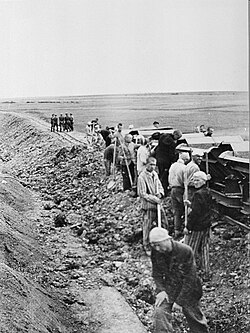
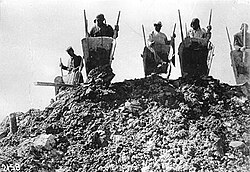
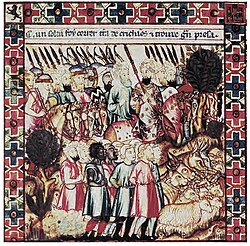
Slavery was not limited to the colonies. In Europe, Slavic and African slaves were present in cities like Córdoba. Later, state-sponsored forced labour appeared in the 20th century, such as the prisoners forced to work on rail lines in Nazi Germany or those held in the Soviet Gulag system.
The Path to Abolition
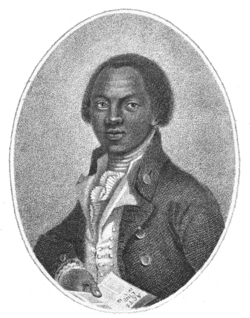
The movement to end slavery, known as abolitionism, gained momentum in the 18th and 19th centuries. Figures like Olaudah Equiano, whose autobiography highlighted the horrors of the trade, helped spur legislation such as the Slave Trade Act 1807 in Britain. In the United States, the end of slavery was commemorated by the Statue of Liberty, which originally featured broken chains to symbolize freedom.
![The Statue of Liberty was conceived by French abolitionist Édouard René de Laboulaye to commemorate the end of slavery in the US.[378] The initial design saw her hold a broken chain in her left hand, but American financiers were opposed to the statue acknowledging slavery; the sculptor Bartholdi retained the chains at her feet (pictured) which are barely visible.[379]](/images/b0/ec/b0ec542ba382eb3f9769f6a0feba5a3b85af4672ed51f6fe846d9024ff90bfc5.jpg)
| Type of Slavery | Primary Characteristic | Modern Example/Region |
|---|---|---|
| Chattel | Person as legal property | Historical (e.g., US South, Brazil) |
| Bonded | Labour to repay debt | Non-industrialized nations |
| Trafficking | Forced movement for exploitation | Industrialized nations |
| State-Forced | Labour as state punishment/control | Historical (e.g., Nazi Germany, Gulags) |
Frequently Asked Questions
![Crimean Tatar raiders enslaved more than 1 million Eastern Europeans.[298]](/images/c0/31/c031126420a64c97aeb9289c1faaa5b59b5ae02cf9321c1aa453062971e06611.png)
![Tuareg society is traditionally hierarchical, ranging from nobles, through vassals, to dark-skinned slaves.[326]](/images/02/20/0220dc3e16f6d41ae7406be8515a55413bee4a59c6dad59d1c8d8ceb5fffff70.jpg)
![A painting of the 1840 World Anti-Slavery Convention at Exeter Hall in London[373]](/images/8b/6c/8b6cc7c7b11c188c33a590f45918eb8b10f4d8a627c53e2e6ee6ed52b6775bbe.jpg)
What is the difference between slavery and forced labour?
Slavery is the ownership of a person as property. Forced labour is a broader term describing work performed involuntarily under threat of penalty, which is a primary characteristic of most forms of slavery.
Does slavery still exist today?
Yes. Although illegal in every country, modern slavery persists through human trafficking, debt bondage, forced marriage, and forced labour, affecting approximately 40 million people as of 2019.
What was the Middle Passage?
The Middle Passage was the second leg of the triangular trade, during which enslaved Africans were transported across the Atlantic Ocean to the Americas under brutal and inhumane conditions.
What is chattel slavery?
Chattel slavery is a specific legal system where the enslaved person is considered the personal property (chattel) of the owner, and this status is often hereditary.
Which regions have the highest concentration of modern slavery?
The highest concentration is found in Asia and the Pacific, which accounts for 60% of the global enslaved population, followed by Africa at 23%.