Islamic Views on Slavery: Historical Evolution and Legal Perspectives
Islamic perspectives on slavery are complex and multifaceted, reflecting a wide array of thought that has evolved significantly over centuries. In pre-Islamic Arabia and its surrounding regions, slavery was a fundamental pillar of social and economic life. When Islam emerged, it did not immediately abolish the institution but instead sought to regulate it, restrict its scope, and introduce ethical mandates for the treatment of the enslaved.
The primary sources of Islam—the Quran (the holy book) and the hadith (the recorded sayings and actions of the Prophet Muhammad)—address slavery extensively. While these texts assume the existence of slavery within society, they often frame it as an exceptional condition and emphasize the moral imperative of kindness and liberation.
Key Facts
- Legal Basis: Islamic law did not base slavery on race or ethnicity; slaves were primarily non-Muslims captured in war or purchased from outside Islamic borders.
- Manumission: The Quran and hadith strongly encourage the freeing of slaves as an act of benevolence or as expiation for sins.
- Social Mobility: Some enslaved people, such as the Mamluks, rose to high military ranks and eventually seized political power.
- Abolition: Tunisia became the first Muslim country to abolish slavery in 1846, citing the impossibility of enforcing strict Islamic legal conditions in the 19th century.
- Demographics: While Caucasians and Central Asians were the majority of imported slaves until the 10th–13th centuries, they were later surpassed by black African slaves.
The Legal Framework of Slavery in Islam
Early Islamic law established clear boundaries regarding who could be enslaved. It strictly forbade the enslavement of dhimmis (free non-Muslim subjects of an Islamic state) and free members of Islamic society. Legally, slavery was restricted to non-Muslims captured during legitimate warfare or those purchased from beyond the borders of Islamic rule, as well as the children of enslaved parents.
The Quranic phrase ma malakat aymanuhum (those whom your right hands possess) refers to these enslaved individuals. While the Quran recognizes the legal distinction between free people and slaves—often treating slaves as minors under the responsibility of their owners—it also asserts their moral and spiritual equality. For instance, the Quran recommends that unmarried Muslims marry their slaves, suggesting a shared human dignity.
Treatment and Rights
Many hadiths urge owners to treat enslaved people with kindness and denounce cruelty or harshness. The Prophet Muhammad himself owned slaves through purchase, gifts, and war spoils, but he also frequently encouraged their liberation. This tension between the practice of ownership and the mandate for kindness remains a central point of discussion among historians and critics.
In practice, roles varied by society. Many served in the service sector as cooks, porters, or concubines. However, others were trained as elite soldiers. The Mamluks are a primary example of this; after being manumitted (freed), they eventually overthrew their Ayyubid masters to establish their own rule.
Resistance and the Path to Abolition
The history of slavery in Islamic lands was not without conflict. Harsh treatment led to significant uprisings, most notably the Zanj Rebellion, a major revolt of enslaved East Africans.
By the 19th century, the discourse shifted toward abolition. Tunisian reformers led the way in 1846, arguing that the strict conditions required by Islamic law for legal enslavement were no longer being met. They pointed out that most slaves in the markets were enslaved illegally—either because they were Muslims or subjects of friendly states. Because the child of a slave and a free man was considered free (if paternity was acknowledged), reformers argued that the institution could not survive without an illegal slave trade.
| Category | Islamic Legal/Ethical Perspective |
|---|---|
| Source of Slaves | Non-Muslims captured in war or purchased from outside Islamic rule. |
| Race/Ethnicity | No legal distinction; included Caucasians, Central Asians, and Africans. |
| Manumission | Highly recommended for benevolence or as expiation for sins. |
| Legal Status | Treated as minors legally, but spiritual equals to free Muslims. |
| Abolition | First officially abolished in Tunisia (1846) based on legal inconsistencies. |
Modern Interpretations and Figures
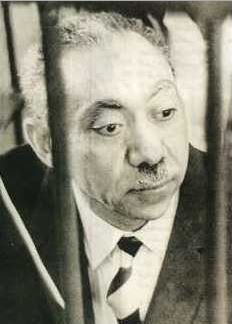
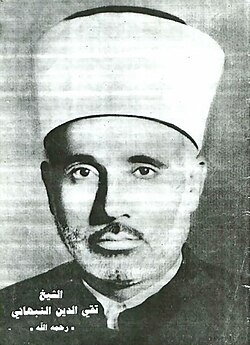
In the 20th century, the Ulema (religious scholars) increasingly viewed slavery as a necessity of the time rather than a permanent religious mandate. However, views vary among contemporary thinkers. Some, like Abul A'la Maududi and Taqiuddin al-Nabhani, have provided explanations of slavery within the context of Shariah law and legitimate warfare.
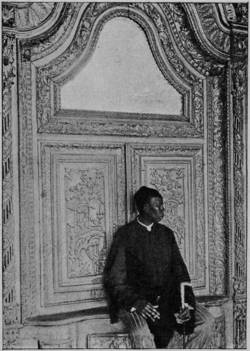
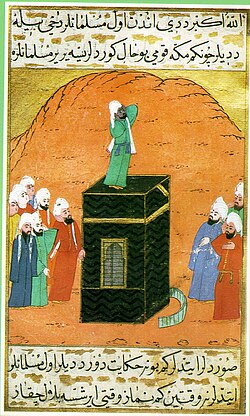
Throughout history, several notable individuals transitioned from slavery to prominence. Bilal ibn Rabah, an African slave emancipated by Abu Bakr, became the first official muezzin (caller to prayer) in Islam. Others, such as the Mamluk leaders Qutuz and Baibars, rose from enslaved soldiers to become powerful rulers.
Frequently Asked Questions
Did Islam invent slavery?
No. Slavery was already a mainstay of life in pre-Islamic Arabia and surrounding lands. Islam inherited this existing social structure and sought to regulate and restrict it.
Was slavery in Islam based on race?
No. Islamic law did not base slavery on race or ethnicity. Over time, the demographics shifted from predominantly Caucasian and Central Asian slaves to a larger number of black African slaves, but there was no legal racial distinction.
How did the Quran encourage the end of slavery?
The Quran recommends manumission (freeing slaves) as an act of simple benevolence and as a way to expiate sins. Many interpreters argue that the Quran established an ideal of a slavery-free society.
Who were the Mamluks?
The Mamluks were enslaved people who were trained militarily, converted to Islam, and eventually manumitted. They became so powerful that they eventually overthrew their masters, the Ayyubids, to seize power.
Which Muslim country first abolished slavery?
Tunisia was the first Muslim country to abolish slavery in 1846, with reformers arguing that the legal requirements for slavery under Islamic law were no longer being met in the modern era.