Sivas: A Journey Through Central Anatolia's Historic Heart
Nestled in the broad valley of the Kızılırmak river at an elevation of 1,285 meters, Sivas is a city where ancient history and modern industry converge. As the seat of Sivas Province in central Turkey, it serves as a vital trade center and a living museum of Anatolian civilization. From its Roman foundations to its pivotal role in the birth of the Turkish Republic, Sivas offers a profound glimpse into the layers of human settlement in the heart of Asia Minor.
Historically known as Sebasteia, the city has evolved from a strategic Roman outpost into a thriving industrial hub. Today, its economy is a blend of traditional agriculture and modern manufacturing, specializing in rugs, bricks, cement, and textiles, while the surrounding region remains a powerhouse for cereal production and iron ore mining.
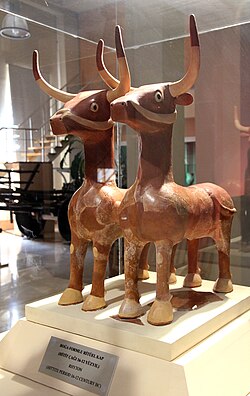
Key Facts
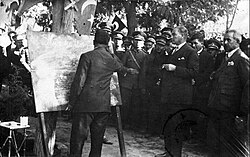
- Population: 365,274 (as of 2022).
- Historical Names: Megalopolis (Roman), Sebaste/Sebasteia (Byzantine).
- Architectural Legacy: Renowned for 12th and 13th-century Seljuk madrasas.
- Political Significance: Site of the 1919 Sivas Congress, a turning point for the Turkish Republic.
- Geography: Located in Central Anatolia at an elevation of 1,285m.
A Timeline of Transformation
Ancient and Byzantine Eras
The city's recorded history began in 64 BC when Pompey the Great founded "Megalopolis." By the end of the 1st century BC, it was renamed Sebaste (the Greek equivalent of Augustus). Under the Byzantine Empire, Sebasteia became the capital of Armenia Minor and a significant center for early Christianity, serving as the home to Saint Blaise and Saint Peter of Sebaste, and the site of the martyrdom of the Forty Martyrs of Sebaste in the 4th century.
Medieval Influence and the Seljuks
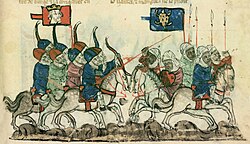
The 11th century marked a major shift as Turkish tribes began plundering the city in 1059. Following the Battle of Manzikert in 1071, Sivas came under the domain of the Danishmend dynasty and later the Seljuk Empire. During the Seljuk period, Sivas flourished as a critical trade hub along the Silk Road, characterized by the construction of grand citadels, mosques, and madrasas (Islamic educational institutions).
Ottoman Rule and the Modern Republic
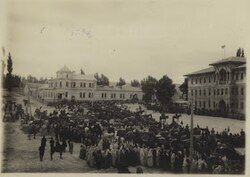
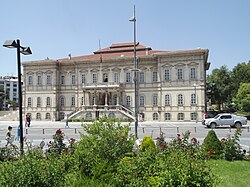
Acquired by Sultan Bayezid I in the late 14th century, Sivas served as the administrative center of the Eyalet of Rum. The city was a multicultural center until the early 20th century, housing significant Armenian, Greek, and Protestant communities. In the modern era, Sivas became a symbol of national resistance. The Sivas Congress, held from September 4–11, 1919, confirmed Mustafa Kemal Atatürk's leadership and was instrumental in the formation of the Turkish Republic.
Architectural and Cultural Landmarks
Seljuk and Ottoman Masterpieces
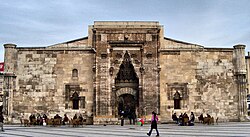
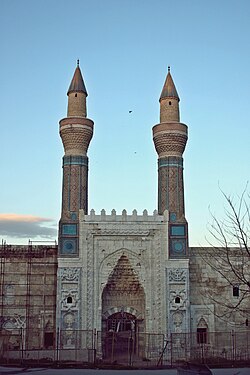
Sivas is an open-air gallery of Seljuk architecture. The Great Mosque (Ulu Cami), dating to 1197, and the Sifaiye Medresesi (1217–1218)—which functioned as a hospital and medical school—are prime examples. The city is also famous for three competing madrasas built in the late 13th century: the Buruciye, Çifte Minare, and the stunning Gök Medrese (Blue Madrasa).
![Tomb of Izz al-Din Kayka'us I in the Şifaiye Medrese (1217–1218)[24]](/images/29/5b/295ba46879245a6fd56282c54578358d5be8d6e94a98d34bbf56fccda5a92d1d.jpg)
Ottoman contributions include the 1580 Kale Camii (Citadel Mosque), the Kurşunlu Hamamı (Leaden Bath), and the Behrampaşa Hanı, a caravanserai noted for its distinctive lion motifs.
Local Traditions and Lifestyle
Culture in Sivas is deeply rooted in Anatolian folk traditions, particularly türkü (folk music) played on the bağlama. The city is also renowned for its thermal springs, such as Sıcak Çermik and Kangal Balıklı Kaplıca, which attract visitors seeking healing waters.
In terms of gastronomy, the Sivas kebabı is the city's signature dish—a savory blend of lamb or mutton cooked with eggplant, tomato, and green pepper in traditional clay or brick ovens.
City Overview and Infrastructure
| Category | Details |
|---|---|
| Population (2022) | 365,274 |
| Elevation | 1,285 m (4,216 ft) |
| Key Industries | Textiles, Cement, Bricks, Agriculture, Iron Ore |
| Major Sports Team | Sivasspor |
| Climate Type | Continental (Cold winters, hot summers) |
Frequently Asked Questions
What is the historical significance of the Sivas Congress?
The Sivas Congress (September 1919) was a pivotal event in the Turkish War of Independence. It solidified Mustafa Kemal Atatürk's leadership of the national resistance and laid the political groundwork for the establishment of the Republic of Turkey.
What are the must-visit architectural sites in Sivas?
Visitors should prioritize the Gök Medrese, the Buruciye and Çifte Minare madrasas, the Great Mosque (Ulu Cami), and the Sifaiye Medresesi, which showcases the intricate stone carving of the Seljuk era.
What is Sivas kebabı?
Sivas kebabı is a traditional regional dish consisting of lamb or mutton cooked with vegetables like eggplant, tomato, and green pepper, typically prepared in open-topped clay or brick ovens.
What is the climate like in Sivas?
Sivas experiences a continental climate with significant extremes. Winters are cold and snowy (with record lows reaching -34.4°C), while summers are hot and dry (with record highs of 40.0°C).
Which sports are most popular in the city?
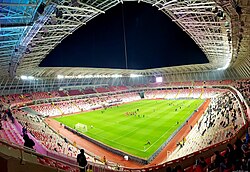
Football is the most popular sport. The city's professional club, Sivasspor, plays its home matches at the New Sivas 4 Eylül Stadium.